
Short answer
Learn how payment gateway outages affect checkout, why transactions fail, and how payment orchestration and automatic failover help businesses reduce disruption.
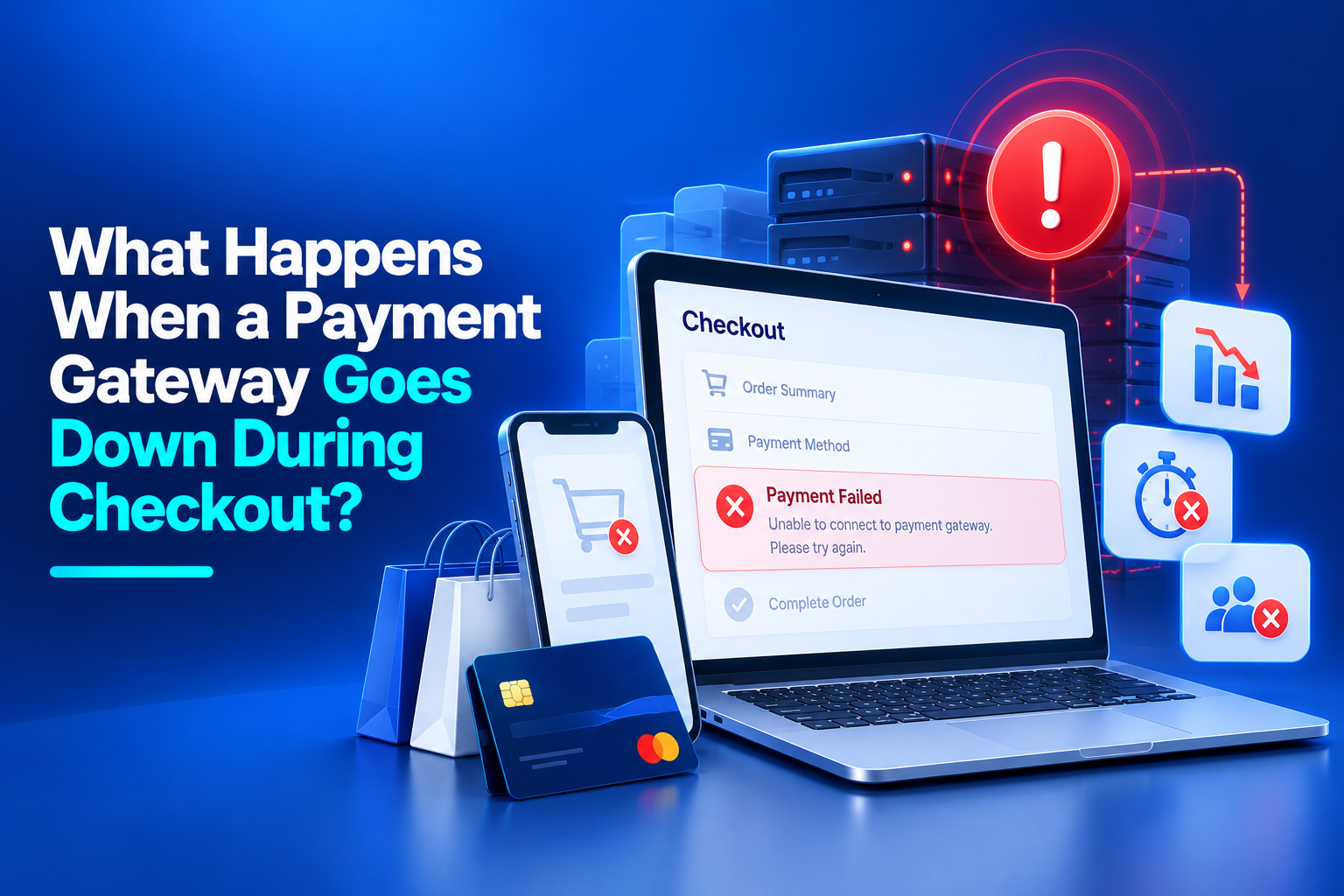
Imagine a customer is ready to complete an online purchase. They have selected their products, entered their payment details, and clicked the checkout button. But the payment gateway suddenly stops responding. The transaction fails, the customer gets frustrated, and the business may lose a sale. This situation is more common than many businesses expect. Payment gateways can experience technical outages, slow response times, network problems, or temporary processing issues. Even a short disruption can affect customer trust and revenue, especially for businesses that process a high volume of online transactions. The good news is that businesses do not always have to rely on a single gateway. With payment orchestration, smart payment routine and automatic failover, they can build more resilient payment flows and keep checkout running when a provider experiences problems.
What Happens When a Payment Gateway Stops Working?
A payment gateway connects a business’s checkout experience with the systems that process a customer’s payment. When that gateway becomes unavailable, several things can happen. First, the checkout may take longer to load or display an error message. In some cases, the customer may see a declined payment even when the issue is related to the provider rather than their card. Second, the transaction may remain in a pending or uncertain state. This can happen when a request reaches the payment provider but the checkout does not receive a clear response. Businesses need to verify the transaction status before asking customers to try again, because blindly repeating a payment could create duplicate payment attempts. Finally, customers may abandon their purchases and choose another business. For merchants, the impact can go beyond one failed transaction: repeated checkout issues can damage the customer experience and create additional work for support and finance teams.
Why Do Payment Gateway Outages Matter for Businesses?
A gateway outage can affect more than payment processing. It can interrupt the entire checkout journey. 1. Lost sales: When customers cannot complete payments, some leave without purchasing. 2. Poor customer experience: Repeated errors and confusing payment messages can reduce trust in a business. 3. More support requests: Customers may contact support to ask whether their payment went through or why their card was declined. 4. Operational challenges: Teams may need to investigate failed transactions, verify payment statuses, and reconcile records across systems. For businesses operating across multiple countries, currencies, or payment methods, these challenges can become more complex. Reliable payment infrastructure is therefore important not only for accepting payments but also for managing unexpected disruptions.
How Payment Orchestration Helps Reduce Checkout Disruptions
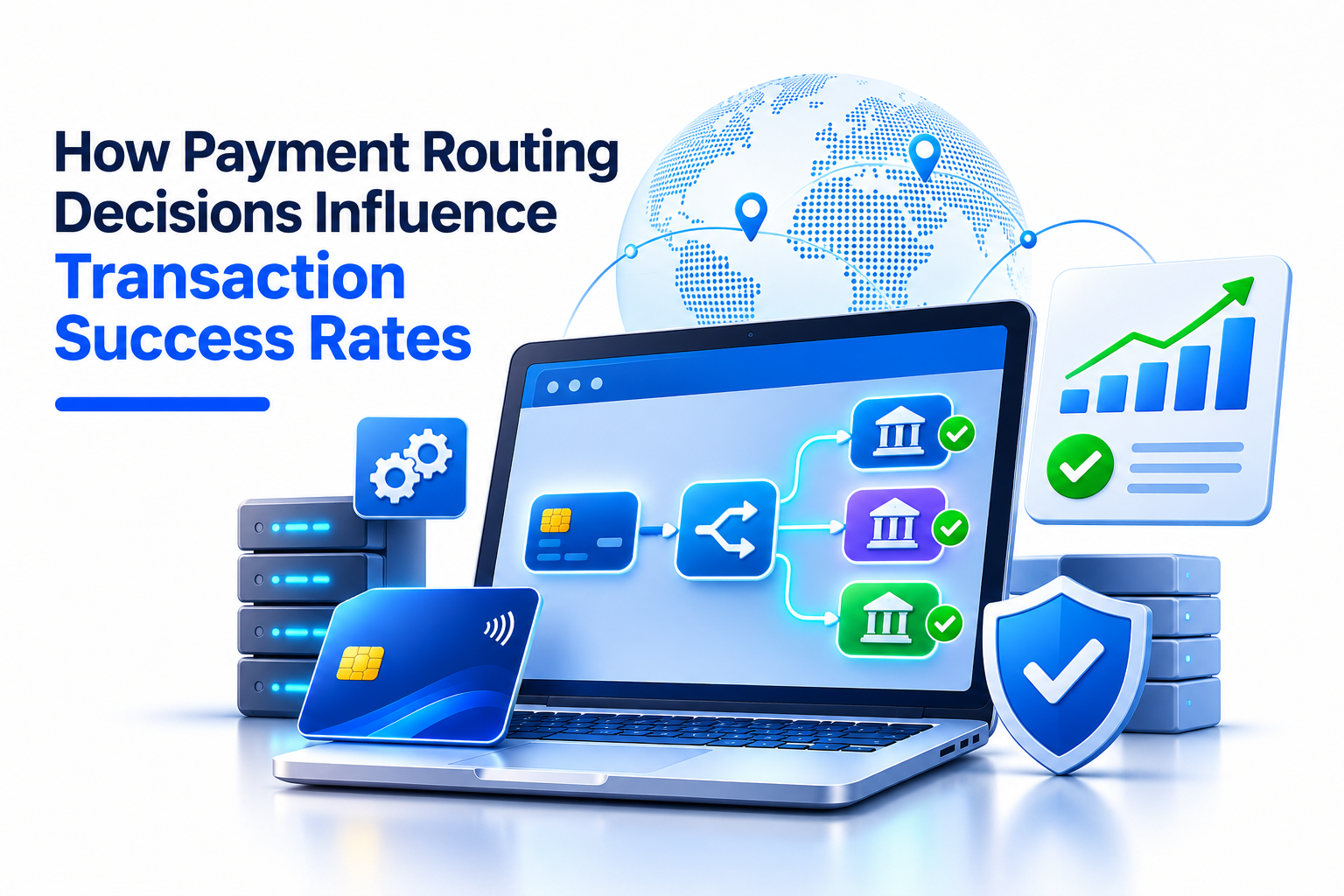
Payment orchestration adds a layer between a business’s checkout and its payment service providers. Instead of depending entirely on one gateway, a business can connect multiple providers through a unified integration and apply rules to decide where transactions should be sent. For example, if one provider is experiencing an outage, the orchestration layer may route eligible transactions to another connected gateway. This process is known as automatic payment failover. A well-designed system can also use smart payment routing to select a provider based on factors such as transaction currency, customer location, card details, provider availability, and historical success rates. However, not every failed payment should be retried automatically. The system needs to distinguish between temporary technical issues, soft declines, hard declines, and transactions with an uncertain status. Appropriate retry rules help reduce unnecessary attempts and the risk of duplicate charges.
What Should Businesses Look for in a Payment Resilience Strategy?
Businesses can prepare for gateway disruptions by building a clear and reliable payment workflow. - Multiple gateway connections: Having more than one suitable payment provider can create alternative processing routes. - Automatic failover rules: Define when a transaction can be redirected and which backup provider should be used. - Transaction monitoring: Track gateway availability, response times, error rates, and payment success rates. - Safe retry logic: Confirm transaction status before retrying payments that may already have been processed. - Clear payment status updates: Use APIs and webhooks to keep internal systems informed about transaction events. - Centralized reporting and reconciliation: Bring payment records together to make it easier to investigate failures and match transactions with financial records. These measures help businesses respond to provider issues in a structured way rather than relying on manual intervention every time checkout is interrupted.
How NetPay Supports More Resilient Payment Processing
NetPay offers payment orchestration designed to help businesses connect multiple payment providers through one API. Its payment orchestration solution supports 30+ gateway integrations, smart PSP routing, automatic failover, and unified payment analytics. This allows businesses to configure routing rules, monitor provider performance, and redirect eligible transactions when a gateway is unavailable or a retryable failure occurs. Rather than managing every provider integration separately, businesses can use a more connected approach to payment routing and transaction monitoring. NetPay also supports branded checkout, payment APIs, and centralized reporting to help businesses manage payment activity through a unified infrastructure. The exact outcome of a retry depends on the transaction, provider response, and configured routing rules, so failover cannot guarantee that every payment will succeed. For businesses looking to reduce dependence on a single gateway, NetPay provides infrastructure that can help make payment operations more flexible and resilient.
Conclusion
A payment gateway outage can interrupt checkout, frustrate customers, and create additional work for business teams. While no payment system can eliminate every failure, businesses can prepare for disruptions by connecting multiple providers, setting clear routing rules, monitoring performance, and handling retries safely. With payment orchestration, smart payment routing, and automatic failover, businesses can respond more effectively when a provider experiences problems. The goal is not simply to process payments when everything works as expected, but to build reliable payment infrastructure that can handle disruptions with less friction. For businesses scaling their online payments, a resilient checkout strategy can help protect the customer experience while making payment operations easier to manage.
What happens when a payment gateway goes down?
Checkout payments may fail, time out, or remain in an uncertain status. Customers may be unable to complete purchases until the provider recovers or an alternative processing route is used.
Can a business continue accepting payments during a gateway outage?
Potentially, yes. If the business has another compatible gateway connected and an appropriate failover process configured, eligible transactions may be routed through the backup provider.
What is automatic payment failover?
Automatic payment failover is a process that redirects eligible payment attempts to an alternative provider when the primary gateway is unavailable or a retryable failure occurs.
What is the difference between payment routing and payment orchestration?
Payment routing determines which provider should process a transaction. Payment orchestration is a broader layer that can combine routing, multiple provider integrations, failover, and consolidated reporting.
How does NetPay help businesses manage gateway outages?
NetPay provides payment orchestration, 30+ gateway integrations, smart routing, and automatic failover capabilities to help businesses manage payment processing across connected providers. Results depend on provider availability and the business’s configured rules.

The NetPay247 team writes about card issuing, Virtual IBANs, cross-border payments and building products on embedded finance infrastructure.
Leave a reply
Your email address will not be published. Required fields are marked *