
Short answer
Discover how SaaS companies can use branded payment cards to improve customer experience, simplify business spending, and create new product opportunities.
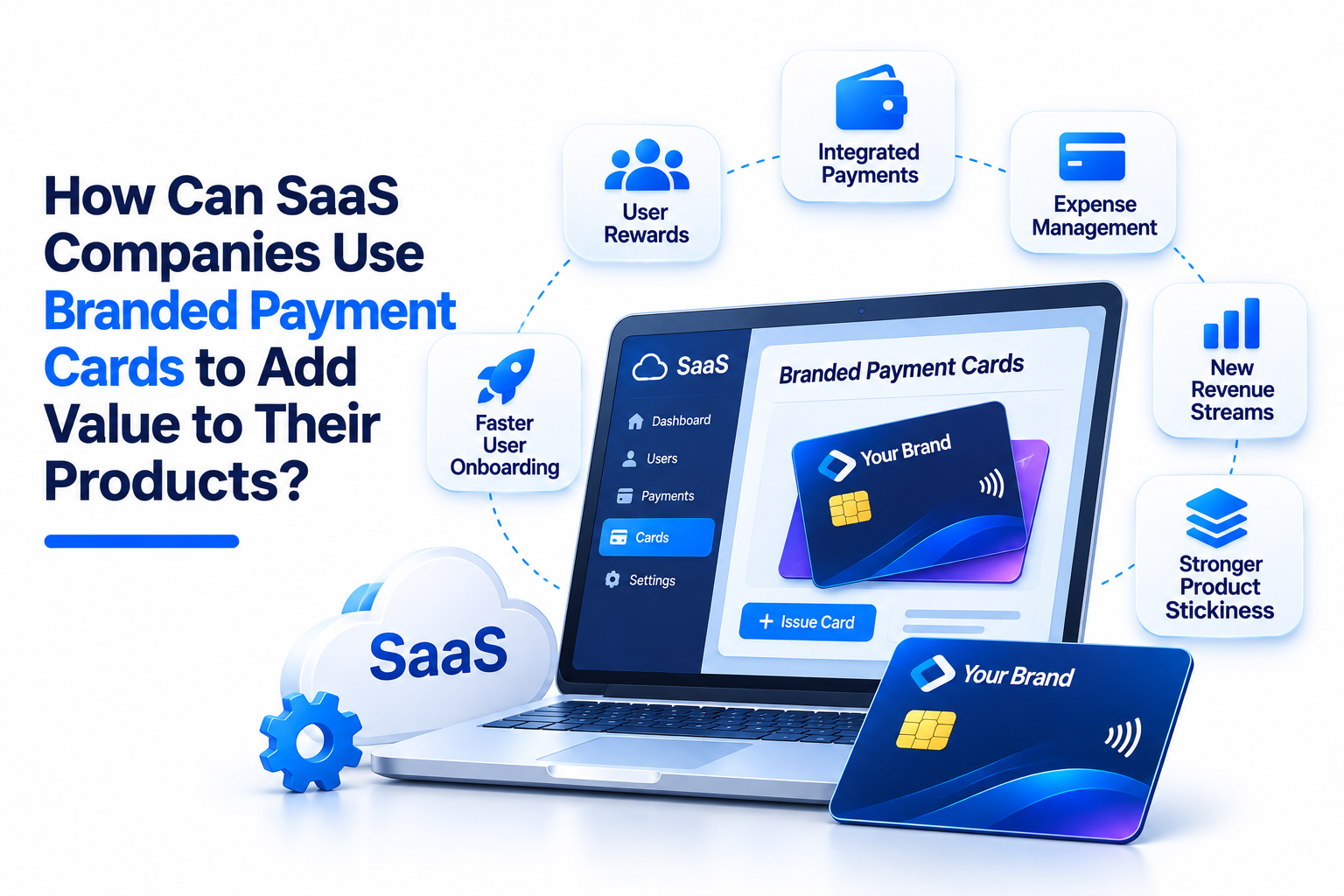
SaaS companies are constantly looking for ways to make their products more useful, improve customer experience, and build stronger relationships with users. Traditionally, software platforms have focused on providing digital tools such as project management, accounting, business operations, and customer relationship management. However, as customer expectations evolve, many SaaS businesses are exploring financial features that complement their core software. One opportunity is branded payment cards. By offering physical or virtual cards under their own brand, SaaS companies can extend their services beyond software and become a more important part of their customers' daily business activities. With the right card issuing infrastructure, these companies can introduce payment capabilities without having to build an entire card system from scratch. Let's explore how branded payment cards can add value to SaaS products and what businesses should consider before launching a card program.
What Are Branded Payment Cards?
Branded payment cards are physical or virtual cards issued under a company's brand through a card issuing partner or financial infrastructure provider. They allow businesses to offer payment functionality as part of their existing products. For example, an expense management platform could provide virtual cards that employees use for approved business purchases. Similarly, an accounting SaaS platform could offer cards that help customers manage expenses and track transactions directly within the software. These cards may operate on supported payment networks such as Visa or Mastercard, depending on the issuing arrangement and program eligibility. With white-label card issuing, SaaS companies can offer a branded card experience while relying on specialist infrastructure for the underlying issuing and program operations.
1. Improve the Overall Customer Experience
A SaaS product becomes more valuable when customers can complete more tasks without switching between multiple platforms. Branded payment cards can help achieve this by connecting payments with the software customers already use. For example, a business using an expense management platform could receive virtual cards for different employees or spending categories. Instead of managing payments separately, users could access card information, review transactions, and manage spending through the same platform. This creates a more connected experience and reduces the effort involved in everyday financial tasks. With virtual card issuing, SaaS companies can also provide digital cards that customers may be able to use shortly after approval and issuance, subject to the program's requirements.
2. Add More Value to Existing SaaS Subscriptions
Branded cards can become an additional feature within a SaaS company's existing subscription model. For example, a platform could offer basic expense tracking in its standard plan and introduce advanced card management features in a higher-tier subscription. These features might include employee cards, spending limits, transaction visibility, and additional administrative controls. This gives customers more reasons to explore premium plans while helping SaaS companies differentiate their offerings. However, businesses should focus on providing genuine value rather than simply adding another feature. Card-related services should solve a clear customer problem and fit naturally into the product.
3. Simplify Business Spending and Expense Management
Many businesses struggle to manage employee spending across departments, teams, and projects. Branded payment cards can help SaaS platforms address this challenge. For instance, a business management platform could allow administrators to issue cards for specific employees or business purposes. They may also be able to configure spending limits and other card controls, depending on the issuing provider's capabilities. When card transactions are connected to the SaaS platform, businesses can get better visibility into their spending activity. This can support: Tracking employee and department expenses. Monitoring card transactions. Applying spending limits. Reviewing payment activity. Simplifying expense reconciliation. By connecting card management with existing software features, SaaS companies can offer a more practical solution for business customers.
4. Create New Revenue Opportunities
Branded payment cards can also support new commercial opportunities for SaaS companies. Depending on the business model, card programs may generate revenue through subscription upgrades, service fees, or other permitted commercial arrangements. Some programs may also involve interchange-related economics, subject to applicable agreements, regulations, and card network rules. The key is to build a sustainable business model around the card service. SaaS companies should evaluate issuing costs, processing arrangements, compliance responsibilities, customer support requirements, and ongoing program management before launching. A well-designed card program should improve the product experience while supporting the company's long-term business goal
Launch Card Programs Without Building Everything In-House
Building a card issuing system independently can be complex. It may involve integrations, issuing partnerships, card lifecycle management, compliance processes, transaction monitoring, and ongoing technical maintenance. This is where card issuing APIs and specialist infrastructure providers become important. Through an API-based issuing solution, SaaS companies can connect card functionality with their existing applications. Depending on the provider and program setup, the integration may support cardholder creation, card issuance, card controls, and transaction-related updates. Providers such as NetPay offer card issuing infrastructure designed to help businesses build and manage branded card programs. Its white-label card issuing and card issuing API capabilities can help SaaS companies integrate card services into their products while using an established issuing infrastructure. This allows product teams to focus more on their customer experience and software development instead of building every part of the issuing stack themselves.
What Should SaaS Companies Consider Before Launching Branded Cards?
Although branded payment cards offer several opportunities, launching a card program requires careful planning. Before moving forward, SaaS businesses should consider: Target audience: Identify which customers would benefit most from branded cards. Use case: Decide whether the cards will support employee expenses, business purchases, customer payments, or another purpose. Card controls: Understand which spending limits, restrictions, and management features are available. Integration: Check whether the issuing infrastructure can connect with the existing SaaS platform. Compliance: Understand KYC, KYB, AML, and other applicable regulatory and program requirements. Scalability: Choose infrastructure that can support future growth and changing customer needs. The right approach depends on the company's product, target market, operating model, and issuing arrangements.
Final Thoughts
Branded payment cards can help SaaS companies move beyond traditional software features and deliver more connected business experiences. From simplifying employee expenses to improving transaction visibility, they can make existing platforms more useful while creating opportunities for product differentiation and growth. However, success depends on more than simply offering a card with a company logo. Businesses need reliable issuing infrastructure, practical card management features, smooth software integration, and a clear understanding of their responsibilities. With solutions such as NetPay's card issuing API and white-label card issuing infrastructure, SaaS companies can explore ways to bring branded payment experiences into their products without building every component independently. As embedded finance continues to develop, branded cards could become a valuable addition to the SaaS product ecosystem.
What are branded payment cards for SaaS companies?
Branded payment cards are physical or virtual cards offered under a SaaS company's brand through an issuing partner. They allow software businesses to add payment functionality to their existing products.
How can branded cards benefit SaaS businesses?
They can improve customer experience, simplify business spending, support premium subscription features, increase customer engagement, and create additional revenue opportunities.
What is white-label card issuing?
White-label card issuing allows a business to offer payment cards under its own brand while relying on an issuing provider's infrastructure and program arrangements.
Can SaaS companies issue virtual payment cards?
Yes. Through a suitable issuing partner, SaaS companies can offer virtual cards for use cases such as employee expenses, business purchases, and controlled spending.
How does a card issuing API help SaaS platforms?
A card issuing API allows a SaaS platform to connect card-related functionality with its software. Depending on the provider, this may include card creation, cardholder management, spending controls, and transaction updates.

The NetPay247 team writes about card issuing, Virtual IBANs, cross-border payments and building products on embedded finance infrastructure.
Leave a reply
Your email address will not be published. Required fields are marked *