
Short answer
Learn what card controls are, how spending limits and merchant restrictions work, and why businesses need better control over modern card programs.
As businesses increasingly use cards for employee expenses, subscriptions, travel, advertising, supplier payments, and other operational needs, simply issuing a card is no longer enough. Businesses also need to control how those cards are used. This is where card controls become important. Card controls are features that allow businesses to define how, where, and how much a card can be used. They give businesses greater control over spending while providing better visibility into card activity. For modern card programs, these controls can become an important part of both financial management and operational efficiency.
What Are Card Controls?
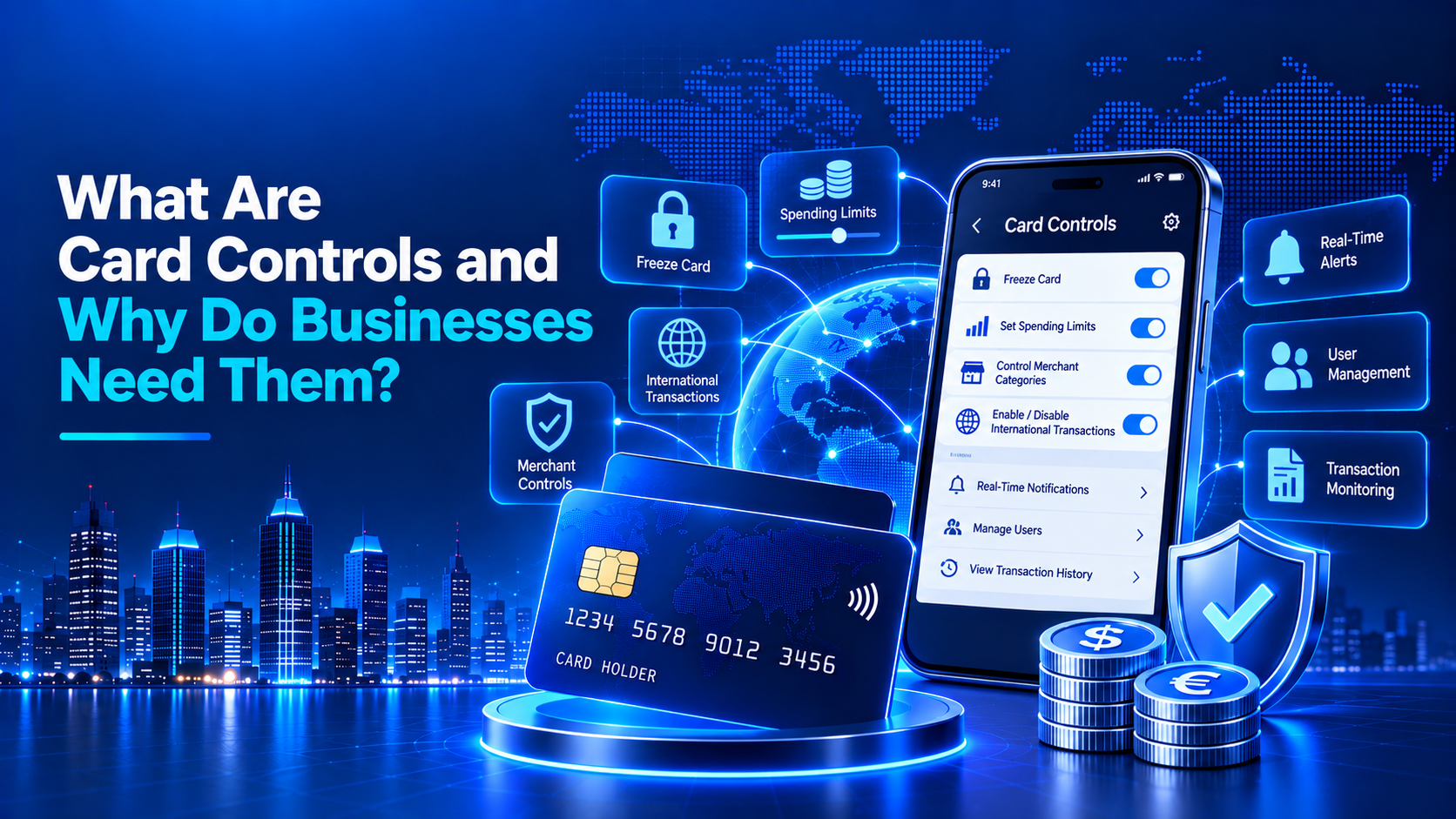
Card controls are rules and settings that determine how a card can be used. Depending on the card infrastructure, businesses may be able to control: Spending amounts Merchant categories Transaction frequency Countries or regions Payment channels Card status For example, a business could create a card with a specific spending limit or restrict it to certain merchant categories. Instead of reviewing every transaction after it happens, businesses can establish rules that influence whether a transaction is authorized in the first place.
Why Do Businesses Need Card Controls?
Without appropriate controls, businesses may have limited visibility into how cards are being used. This can become difficult when multiple employees, teams, or departments have access to company cards. A business may need to manage travel expenses differently from advertising spend. A subscription card may require different restrictions from a supplier payment card. Card controls allow businesses to create rules based on the purpose of each card.
1. Control Spending Before It Happens
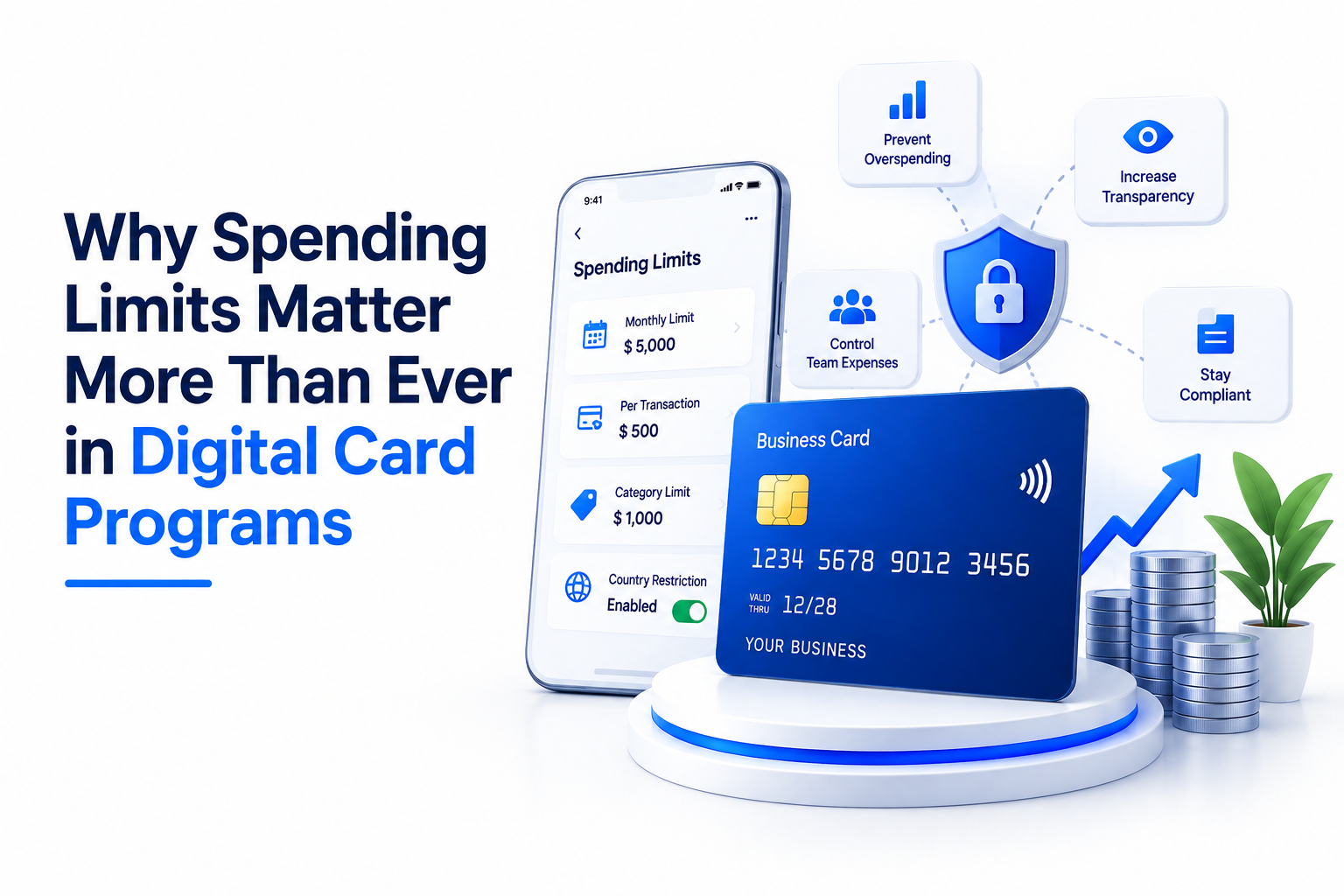
One of the biggest advantages of card controls is the ability to set spending rules in advance. Businesses can define limits based on their requirements instead of relying only on post-transaction reviews. For example: Employee Card → Monthly Limit Travel Card → Travel Budget Advertising Card → Campaign Budget This approach can make expense management more predictable and reduce unnecessary spending.
2. Restrict Merchant Categories
Not every company card needs to work everywhere. Businesses can use merchant category controls to restrict where a card can be used, depending on the capabilities of the card infrastructure. For example, a card created specifically for business software subscriptions could have rules designed around its intended use. This creates an additional layer of control without requiring finance teams to manually review every transaction.
3. Manage Cards in Real Time
Modern card infrastructure can provide businesses with the ability to manage card status quickly. Depending on the platform, businesses may be able to: Freeze a card | Unfreeze a card | Terminate a card | Replace a card These actions can be useful when a card is lost, compromised, no longer required, or needs to be temporarily restricted. Real-time card management can help businesses respond to situations without waiting for a traditional reporting cycle.
4. Improve Expense Management
Card controls can also make business expense management more structured. Instead of giving employees unrestricted access to company funds, businesses can create cards around specific teams, budgets, or purposes. For example, a company could issue separate cards for: Travel | Marketing | Operations | Subscriptions | Supplier Payments Each card can have controls that reflect its intended use. This can make it easier to understand where business spending is taking place.
5. Increase Transaction Visibility
Controls are more effective when businesses can also see what is happening with their cards. Real-time transaction information can help businesses monitor spending and identify unusual activity more quickly. When card activity, authorization information, and transaction records are connected, finance and operations teams can gain a clearer view of business spending. This is particularly valuable for companies managing large numbers of cards.
6. Support Different Business Use Cases
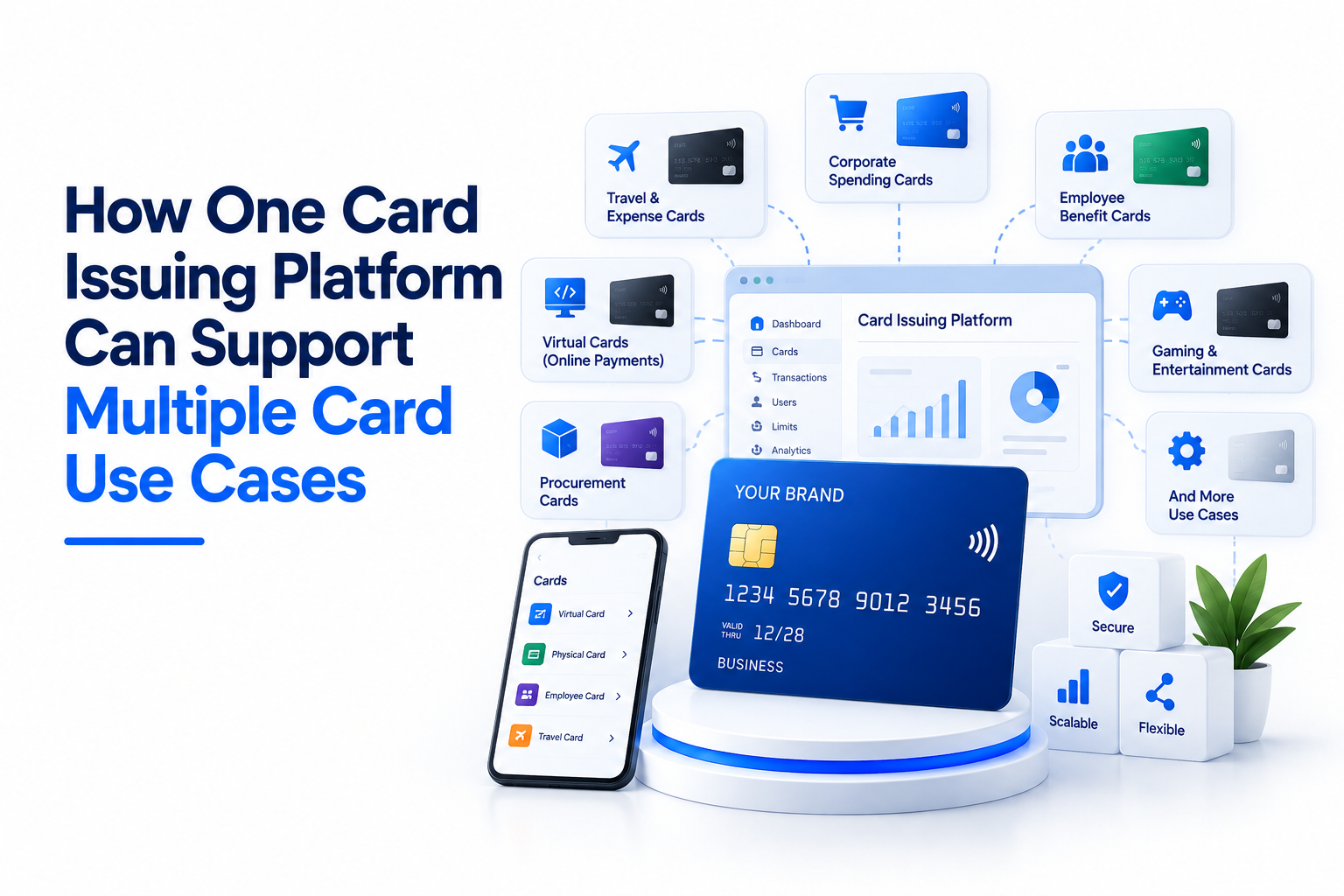
A modern card program may serve several purposes. Virtual cards can be used for online services, subscriptions, travel, advertising, or controlled business payments. Physical cards may be used by employees for in-person purchases. Card controls allow businesses to apply different rules depending on the purpose of the card. This makes it possible to build more flexible card programs without treating every card in exactly the same way.
How NetPay Supports Card Controls
NetPay provides card issuing infrastructure that supports businesses building and managing modern card programs. Its card infrastructure can support controls such as spending limits, merchant category restrictions, country and channel controls, and card lifecycle management. Businesses can also manage card actions such as freezing or terminating cards, depending on the supported workflow. With APIs and webhooks, card activity and lifecycle events can also be connected with business applications and internal systems. This allows businesses to build card programs where controls are part of the infrastructure rather than an afterthought.
Final Thoughts
Card controls give businesses more than a way to limit spending. They provide a framework for managing how company cards are used across employees, teams, budgets, and business functions. From spending limits and merchant restrictions to real-time card management and transaction visibility, the right controls can help businesses build more structured card programs. For businesses issuing cards at scale, the goal should not simply be to issue more cards. It should be to issue cards with the right controls behind them. NetPay provides card issuing infrastructure designed to help businesses build, manage, and scale card programs with controls integrated into the broader financial infrastructure.
What are card controls?
Card controls are rules and settings that allow businesses to manage how, where, and how much a card can be used.
Why are card controls important for businesses?
Card controls help businesses manage spending, apply usage restrictions, improve visibility, and create more structured card programs for employees and teams.
What types of card controls can businesses use?
Depending on the card infrastructure, businesses may be able to set spending limits, restrict merchant categories, control countries or regions, limit payment channels, and manage card status.
Can businesses freeze a card when needed?
Yes, card infrastructure may allow businesses to freeze or terminate cards when they are lost, compromised, no longer required, or need to be temporarily restricted.
How do card controls improve expense managemen
Businesses can create cards for specific teams, budgets, or purposes and apply rules based on how each card is intended to be used.

The NetPay247 team writes about card issuing, Virtual IBANs, cross-border payments and building products on embedded finance infrastructure.
Leave a reply
Your email address will not be published. Required fields are marked *