
Short answer
Learn how one card issuing platform can support consumer, corporate, prepaid, and other card programs through shared APIs, controls, reporting, and infrastructure.
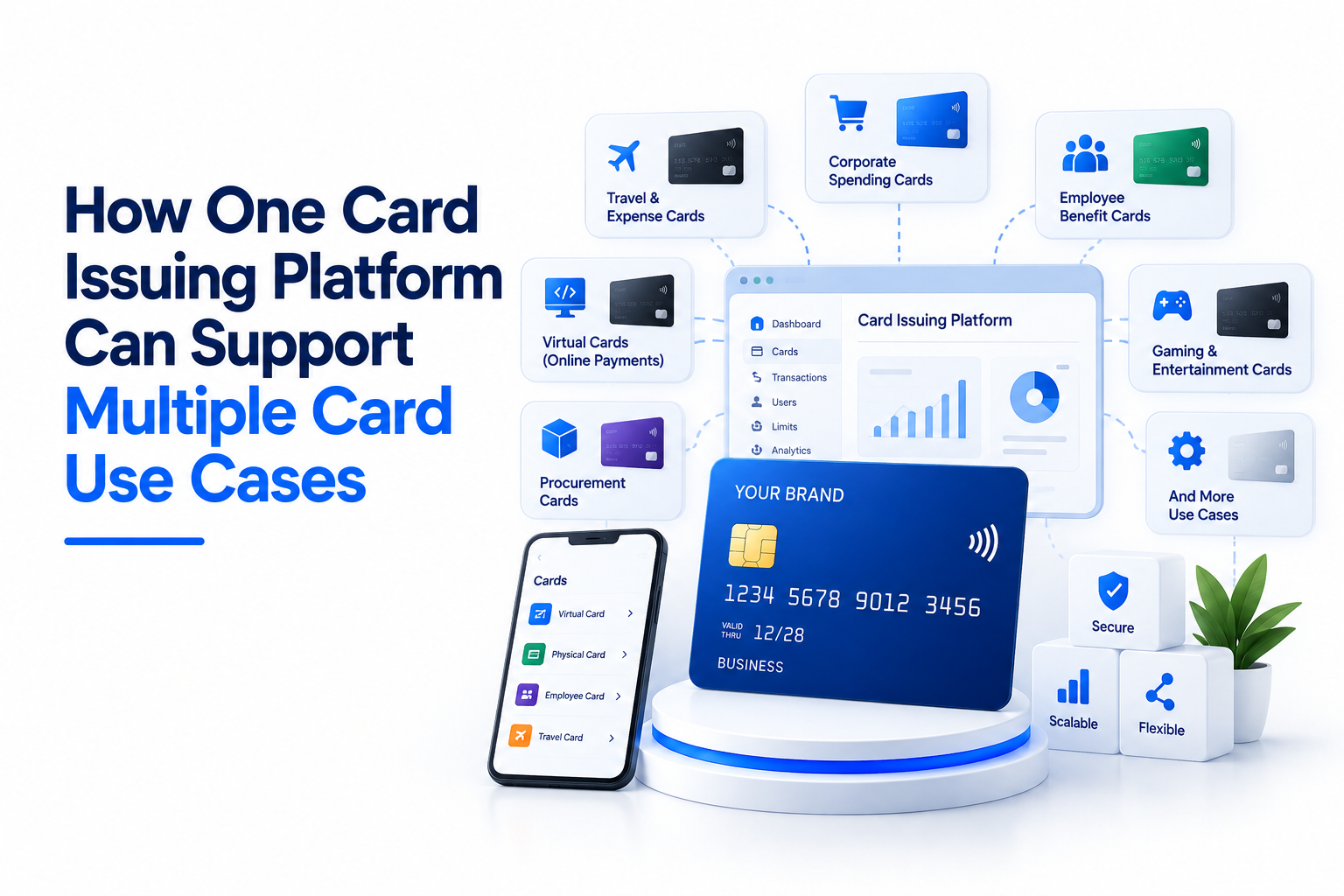
Businesses are no longer looking for card solutions that support only one type of payment requirement. A fintech may need consumer cards, while the same business could also need corporate expense cards, prepaid cards, or cards for specific customer and platform use cases. Building a separate technology integration for every card program can create unnecessary complexity. This is where a multi-use card issuing platform can make a difference. Instead of connecting different systems for different card products, businesses can use one underlying infrastructure to issue, manage, control, and monitor multiple card programs.
Why Businesses Need Multiple Card Use Cases
Different users have different payment requirements. An employee may need a corporate expense card. A customer may need a consumer debit card. A marketplace may need cards for payouts, while a fintech platform may want prepaid cards for controlled spending. Although these use cases are different, many of the underlying requirements remain similar: Card creation and issuance Cardholder management Spending controls Transaction processing Balance management Card activation and blocking Transaction monitoring Reporting and reconciliation A flexible card issuing platform can bring these capabilities together instead of requiring businesses to build each program independently.
One Platform, Multiple Card Programs
The main advantage of a unified card infrastructure is that different card products can operate through the same underlying technology. For example, a business could run: Consumer Debit Cards For everyday customer spending. Corporate Expense Cards For employee and business expenses. Prepaid Cards For payouts, incentives, benefits, or controlled spending. Crypto-Funded Programs For approved card programs where supported funding models are required. NetPay's card issuing platform states that consumer debit, corporate expense, prepaid, and crypto-funded programs can run side by side while sharing the same API, controls framework, and reporting. This can make it easier for businesses to expand their card offering without creating a completely separate technology environment for every use case.
The Role of a Single API
A unified card issuing API is an important part of this model. Instead of creating separate integrations for different card products, businesses can connect their application to one card infrastructure layer and use supported API capabilities across their programs. Depending on the program, these capabilities can include: Creating cardholders Issuing virtual and physical cards Activating cards Blocking or freezing cards Setting spending limits Checking balances Receiving transaction events Managing card lifecycle Supporting reconciliation NetPay provides API capabilities covering card creation and issuance, activation and blocking, balance checks, transaction history, webhook notifications, spending limits, and reconciliation. This creates a more connected development experience for businesses building multiple card products.
Physical and Virtual Cards From the Same Infrastructure
Another important consideration is card format. Some businesses need virtual cards for instant online payments, subscriptions, or digital spending. Others may require physical cards for point-of-sale transactions. A modern platform can support both. NetPay's card issuing infrastructure supports virtual issuance and physical card fulfilment within the same platform and API environment. This means a business can choose the appropriate card format based on the use case rather than maintaining separate systems for physical and virtual cards.
Scaling Without Rebuilding the Infrastructure
One of the biggest reasons to consider a multi-use card issuing platform is scalability. A company may start with one card product and later expand into other use cases. For example: Stage 1: Corporate expense cards ↓ Stage 2: Virtual cards ↓ Stage 3: Prepaid cards ↓ Stage 4: Customer cards ↓ Stage 5: Additional specialized programs With a unified infrastructure, businesses can build new card products on top of an existing technology foundation instead of creating a completely new integration each time. This can help product and engineering teams focus more on the customer experience and business model rather than repeatedly rebuilding core card functionality.
How NetPay Supports Multi-Use Card Programs
NetPay provides card issuing infrastructure designed to support different card programs through a connected platform. Its infrastructure combines card issuing, APIs, authorization controls, processing and settlement, risk and compliance capabilities, dashboards, webhooks, and reporting. Businesses can use the platform to support physical and virtual cards while applying different controls and operational workflows according to their individual programs. The key idea is: One Infrastructure → Multiple Card Products → Shared API → Shared Controls → Shared Reporting For businesses building fintech products, expense platforms, marketplaces, prepaid programs, or other embedded financial products, this model can provide a more scalable foundation for card program development.
Can one card issuing platform support multiple card prod
Yes. A modern card issuing platform can support different card products through shared infrastructure, APIs, controls, and reporting. NetPay states that consumer debit, corporate expense, prepaid, and crypto-funded programs can run side by side on its platform.
Why use one card issuing API for multiple use cases?
A shared API can reduce integration complexity by allowing businesses to connect different card programs to the same underlying infrastructure.
Can physical and virtual cards be managed through the same platform?
Yes. Modern card issuing platforms can support both physical and virtual cards through connected issuing and management infrastructure. NetPay supports instant virtual issuance and physical card fulfilment.
Can different card programs have different spending rules?
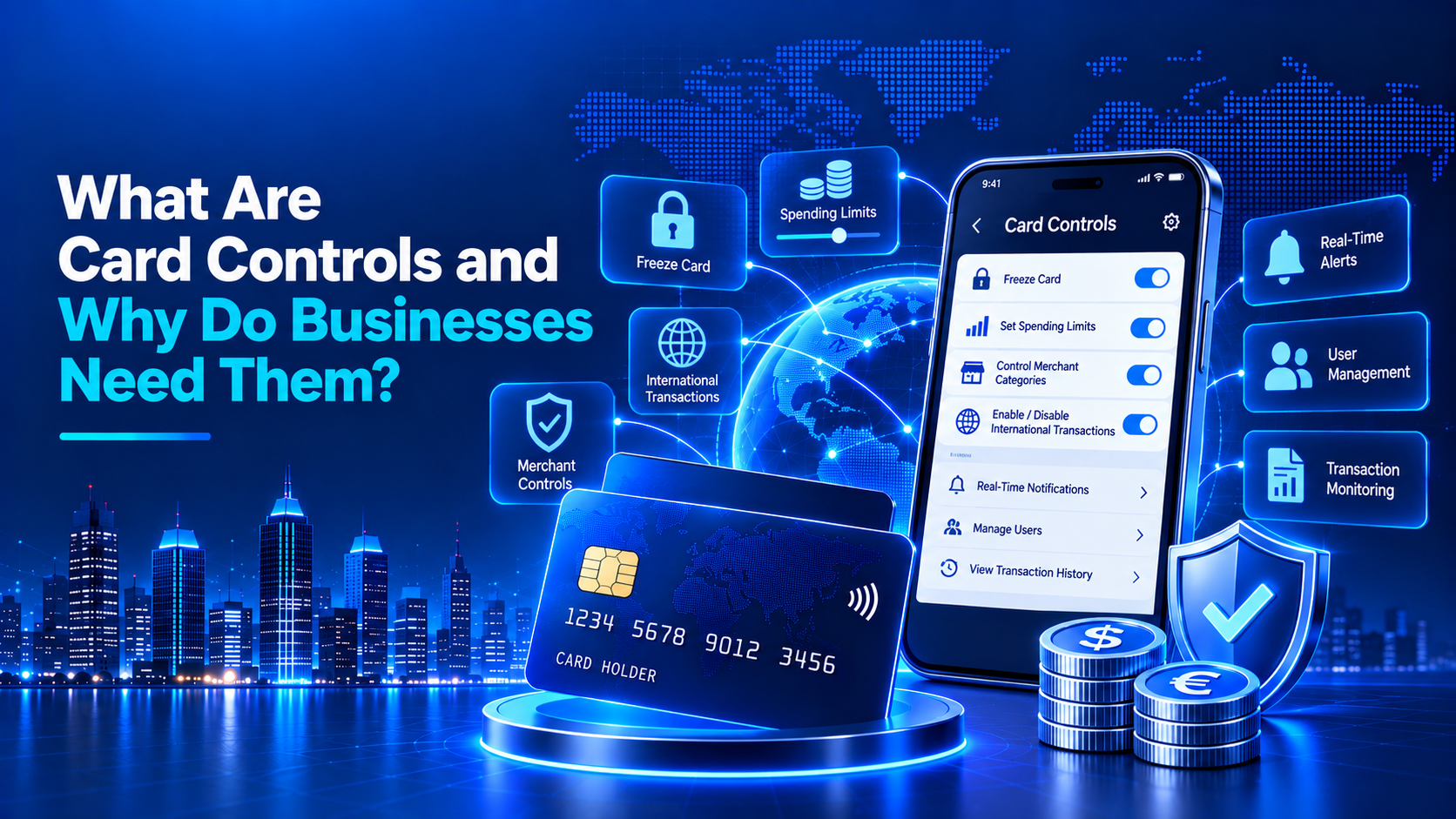
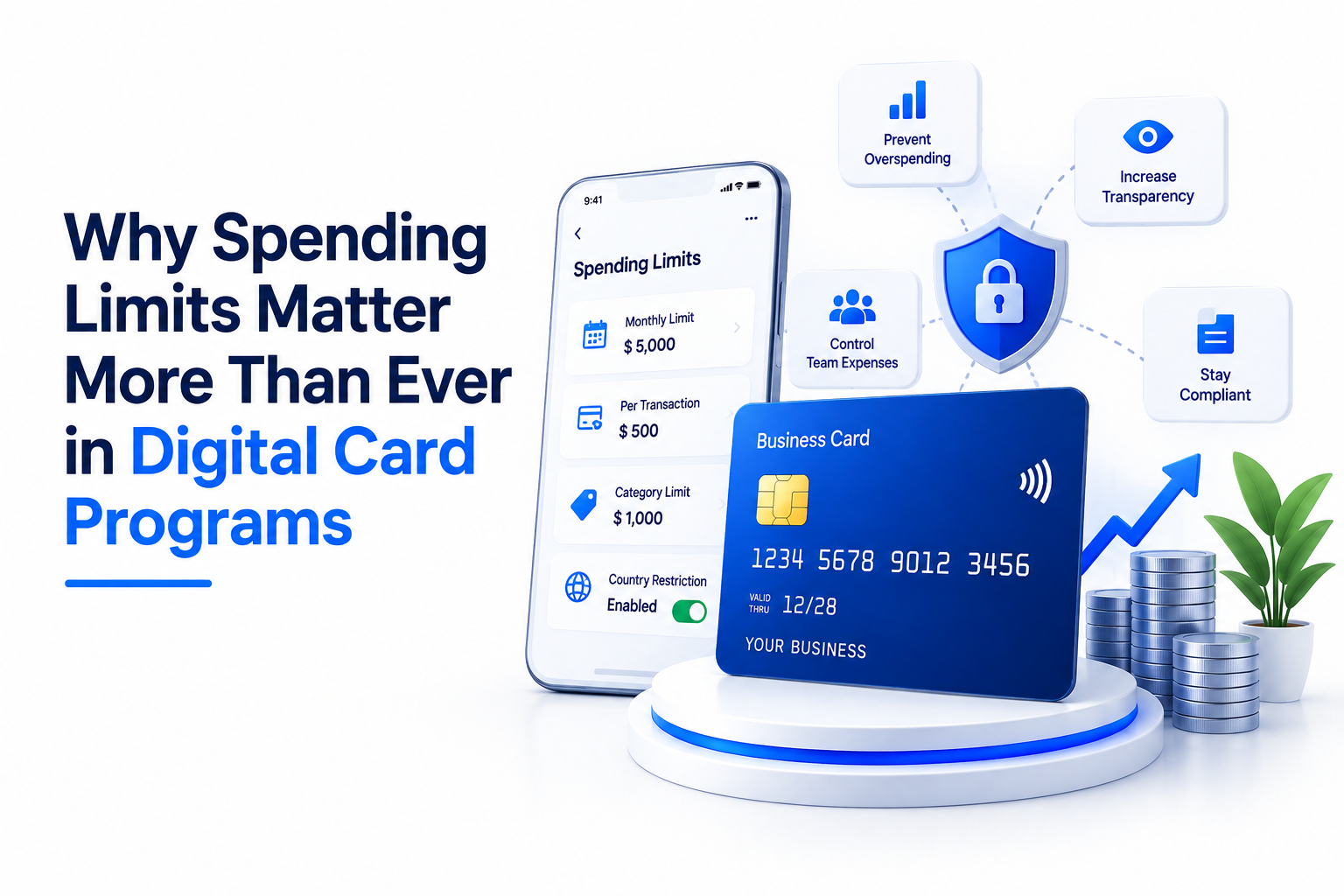
Yes. Spending limits, merchant controls, channel restrictions, and other authorization rules can be configured according to individual cards, groups, or programs.
How do webhooks help multi-use card programs?
Webhooks send transaction and lifecycle events back to a business's systems. This can help with real-time monitoring, notifications, ledger updates, and reconciliation.

The NetPay247 team writes about card issuing, Virtual IBANs, cross-border payments and building products on embedded finance infrastructure.

Leave a reply
Your email address will not be published. Required fields are marked *