
Short answer
Discover why card program data matters beyond card issuance and how transaction data, reporting, APIs, webhooks, and reconciliation support better card management.
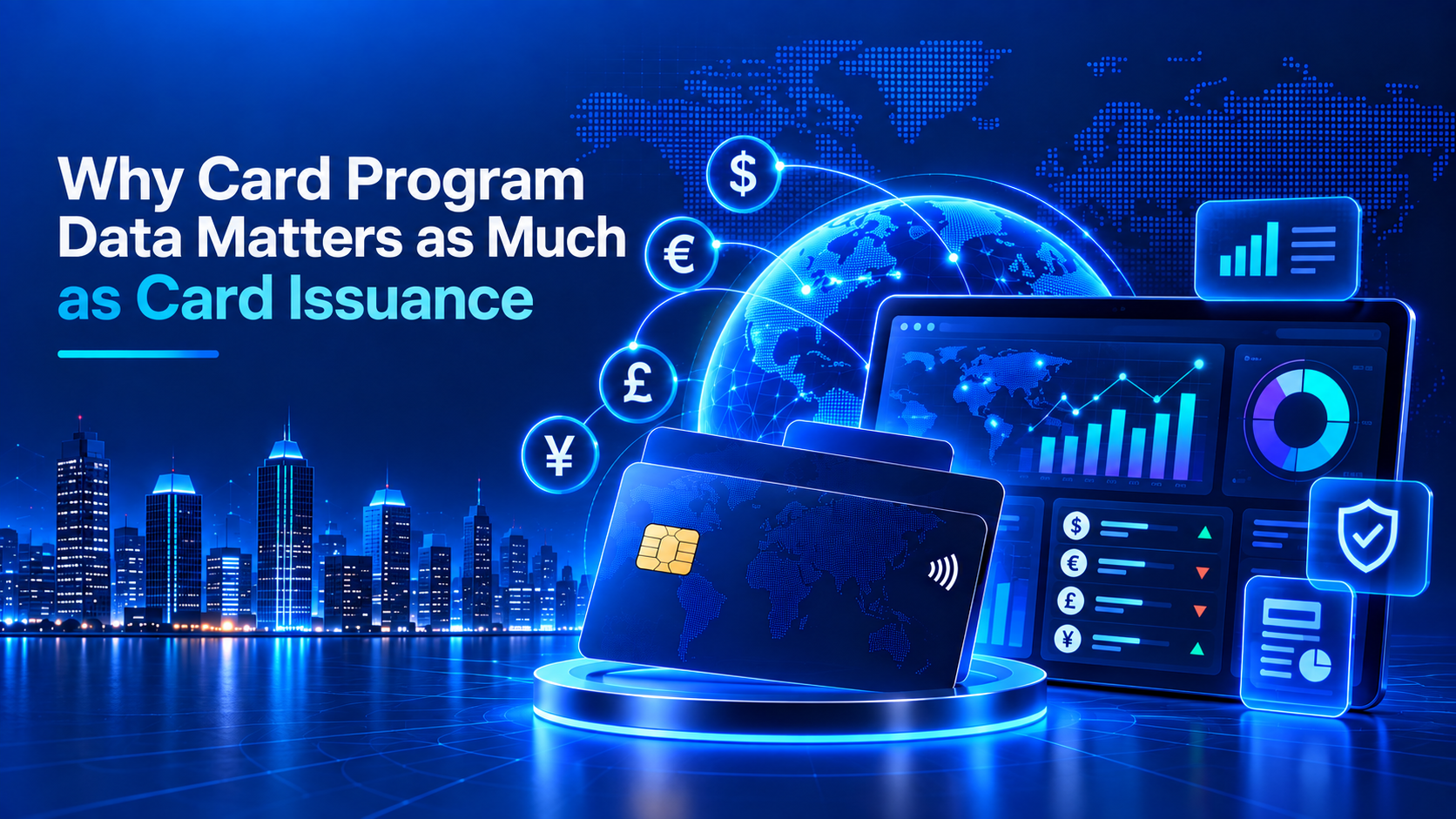
Issuing a card is only the beginning of running a successful card program. Once cards are active and customers start making transactions, businesses generate a continuous stream of valuable information. This card program data can show how cards are being used, where transactions are happening, how spending is changing, and where operational issues may occur. For fintechs and businesses building card products, managing this information effectively can be just as important as the card issuing process itself.
What Is Card Program Data?
Card program data includes the information generated throughout the lifecycle of a card and its transactions. Depending on the program and infrastructure, this can include: Card status and lifecycle information Transaction details Authorization responses Spending activity Cardholder information Balances and available funds Declined or reversed transactions Payment status updates Program-level reporting When this information is available through connected systems, businesses can use it to understand and manage their card programs more effectively.
Why Data Matters After Card Issuance
A business may successfully issue thousands of cards, but issuance numbers alone do not explain whether the program is working efficiently. Businesses also need to understand what happens after issuance. This is why card program management should include both card issuance and ongoing data management.
Data Helps Businesses Understand Card Usage
Transaction data can provide insights into how customers or employees actually use cards. For example, a corporate card program may reveal spending patterns across departments, while a consumer card program may show transaction frequency and preferred payment channels. These insights can help businesses understand whether their card products are being used as expected. Rather than looking only at the number of cards issued, businesses can examine metrics such as: Cards Issued → Active Cards → Transactions → Spending → Retention This provides a broader picture of card program performance.
Real-Time Data Supports Faster Decisions
Payment activity can change quickly. A transaction may be authorized, declined, reversed, or settled at different stages of the payment lifecycle. Real-time or near-real-time transaction information can help businesses respond to these changes more efficiently. For example, transaction events can be used to update internal systems, trigger notifications, monitor spending, or support reconciliation. NetPay's card issuing infrastructure provides transaction-related API and webhook capabilities that can help businesses connect card activity with their own systems and workflows.
Data Can Improve Operational Control
Card programs often involve multiple operational teams, including finance, compliance, customer support, and product teams. Each team may need different information. Finance teams may need transaction and settlement information. Operations teams may need card status and account information. Customer support may need transaction details when investigating customer issues. Risk and compliance teams may need transaction activity for monitoring and review. A connected card data infrastructure can make relevant information available to the teams that need it.
Data Supports Reconciliation
One of the most important uses of card program data is reconciliation. Businesses need to make sure that transactions, balances, settlements, and internal records match correctly. Without reliable transaction information, reconciliation can become a manual and time-consuming process. A connected card infrastructure can provide transaction events and records that help businesses compare payment activity with their internal ledger or accounting systems. NetPay supports transaction data, reporting, webhooks, and reconciliation-related workflows as part of its card infrastructure, helping businesses maintain better visibility across card activity.
Data Can Help Identify Exceptions
Not every transaction follows the expected path. Payments can be declined, reversed, disputed, or require additional review. A card program therefore needs more than successful transaction records. Exception data can help businesses identify where operational attention is required. For example: Transaction Declined → Identify Reason → Review → Take Action Or: Payment Reversed → Update Balance → Update Ledger → Reconcile Having access to these events can help businesses reduce manual investigation and create more structured operational workflows.
Card Data and Customer Experience
Card program data can also affect the customer experience. When a customer contacts support about a failed payment, the support team needs enough information to understand what happened. A connected system can provide relevant transaction and card status information without requiring teams to search across multiple disconnected platforms. Better access to payment information can therefore support faster issue resolution and more consistent customer service.
How NetPay Supports Card Program Data
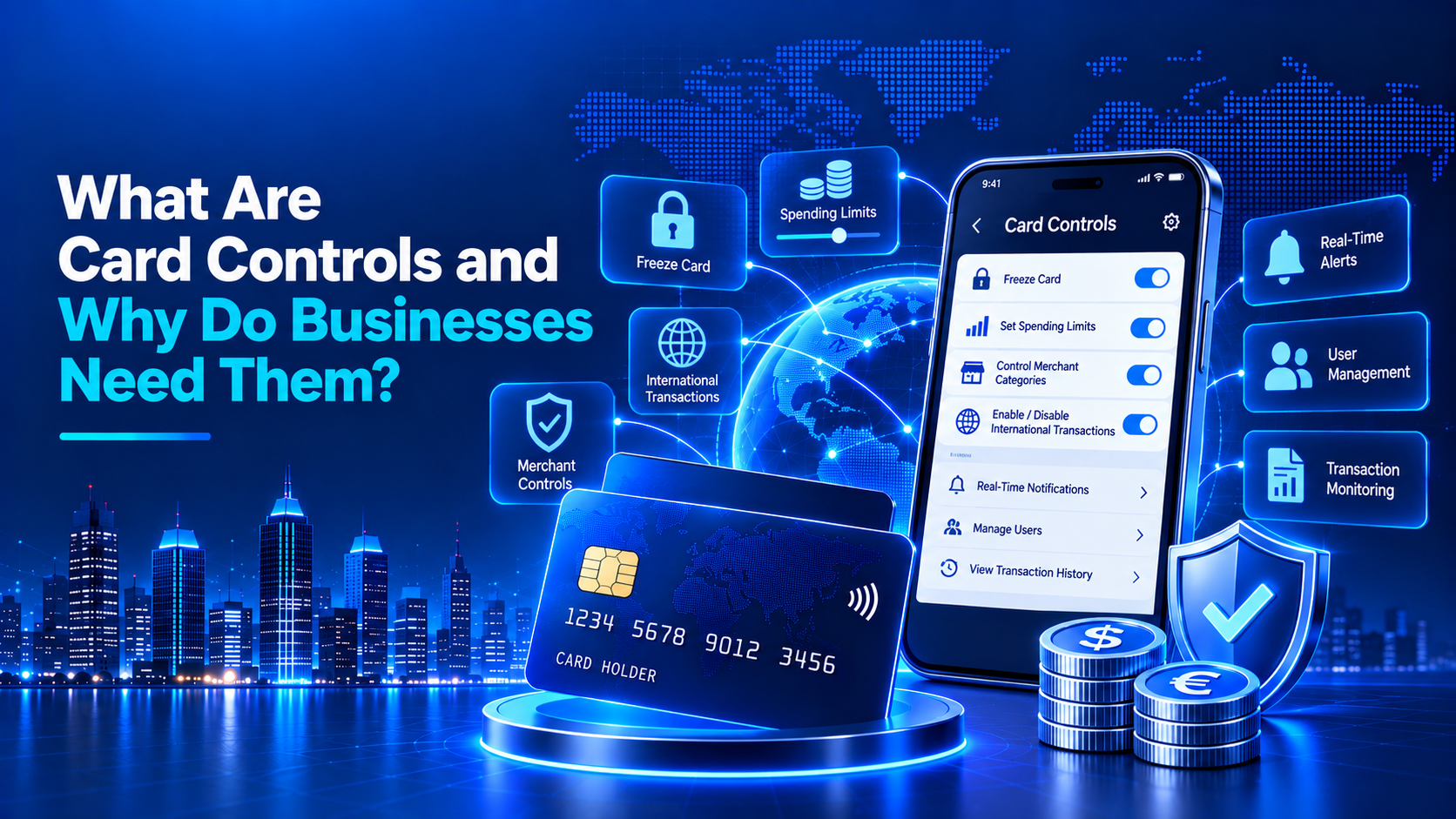
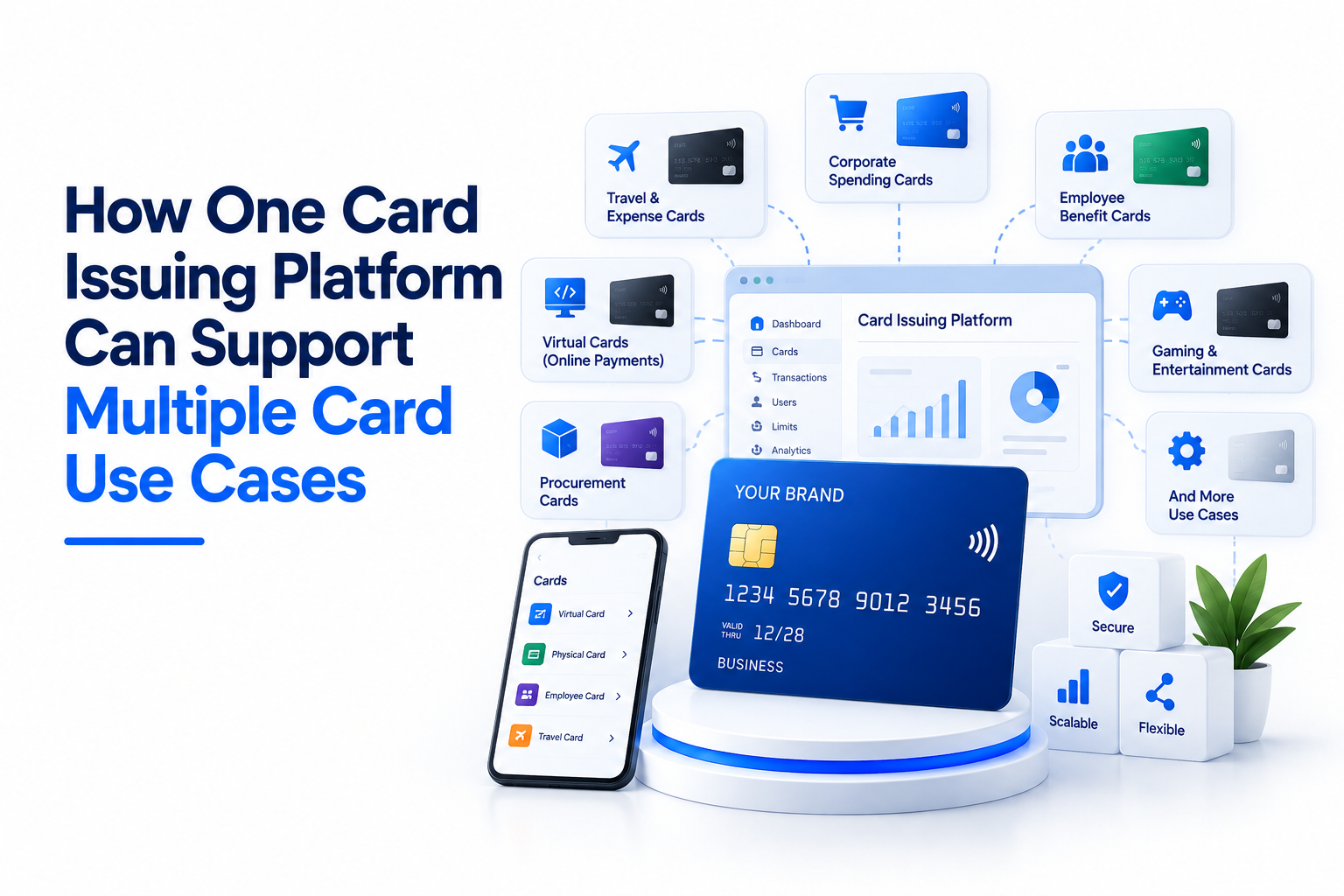
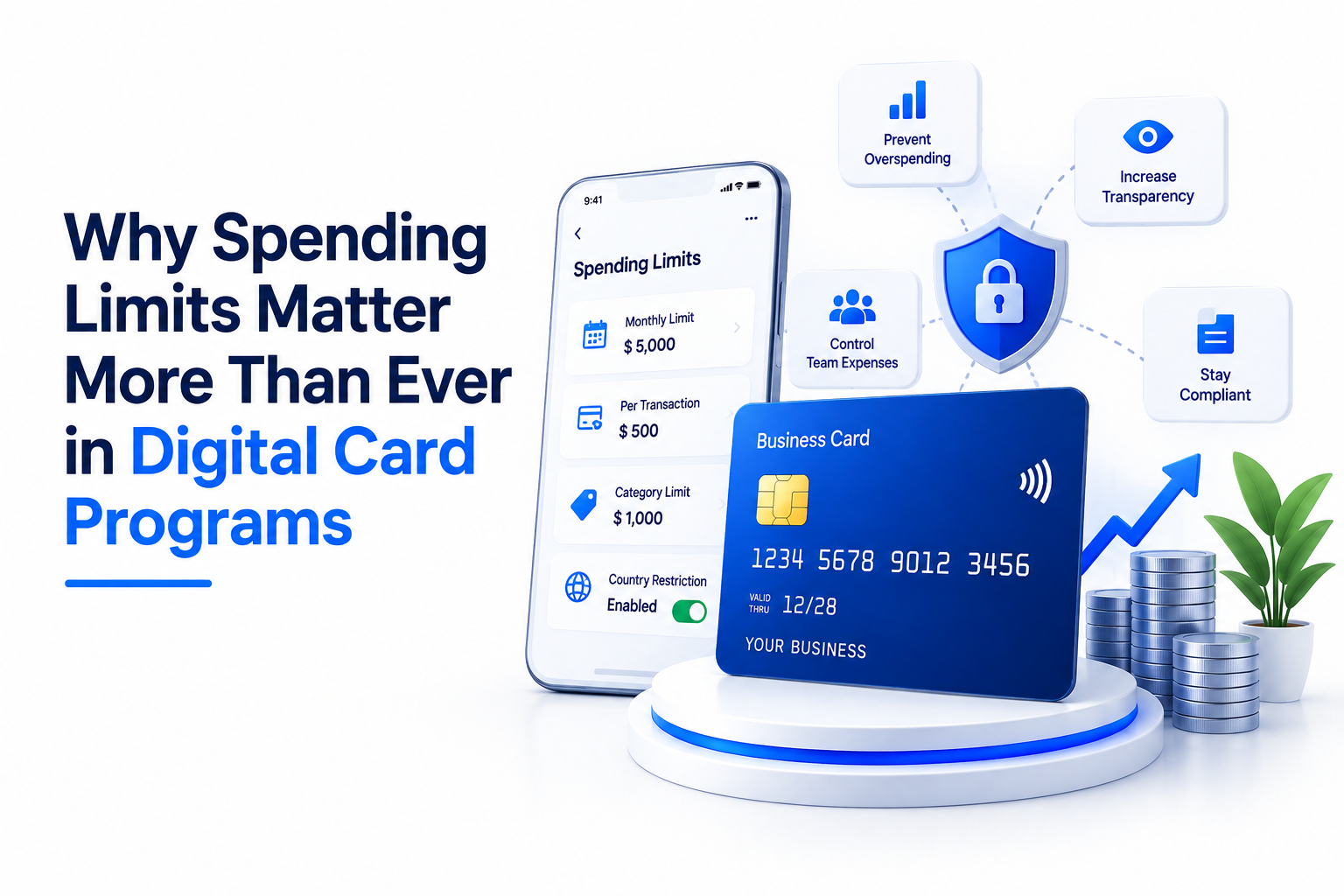
NetPay provides card issuing infrastructure designed to support the broader lifecycle of card programs, not just card creation. Its platform supports card issuance, physical and virtual cards, card management, spending controls, transaction monitoring, APIs, webhooks, reporting, and reconciliation capabilities. This allows businesses to connect card activity with their internal systems and create workflows around the data generated by their card programs. The objective is not simply to issue cards. It is to create an infrastructure where businesses can issue, monitor, manage, analyze, and reconcile card activity through connected systems.
Final Thoughts
Card issuance creates the starting point for a card program, but data provides visibility into everything that happens afterward. From transaction activity and spending patterns to card status, exceptions, reporting, and reconciliation, card program data can support the operational side of running a modern card program. With the right card issuing platform and data infrastructure, businesses can turn transaction information into better visibility, more efficient operations, and a stronger foundation for scaling their card programs. NetPay combines card issuing capabilities with APIs, transaction data, controls, reporting, and connected infrastructure to help businesses manage the full card program lifecycle.
Why is card program data important?
Card program data helps businesses understand card usage, monitor transactions, identify exceptions, support reconciliation, and manage the ongoing performance of their card programs.
How can real-time card data help businesses?
Real-time transaction information can help businesses respond to payment events faster, update internal systems, monitor activity, and create automated workflows.
How does card data support reconciliation?
Transaction and payment data can be compared with internal financial records to identify mismatches and keep balances, transactions, and ledger records aligned.
What role do APIs and webhooks play in card program data?
APIs allow business systems to interact with card infrastructure, while webhooks can send transaction and status events to connected systems.
How does NetPay support card program data?
NetPay provides card issuing infrastructure with APIs, webhooks, transaction monitoring, reporting, spending controls, and reconciliation capabilities to help businesses manage card programs beyond initial card issuance.

The NetPay247 team writes about card issuing, Virtual IBANs, cross-border payments and building products on embedded finance infrastructure.
Leave a reply
Your email address will not be published. Required fields are marked *