
Short answer
Discover why spending limits matter in digital card programs and how businesses can use card controls, monitoring, and budgets to manage expenses effectively.
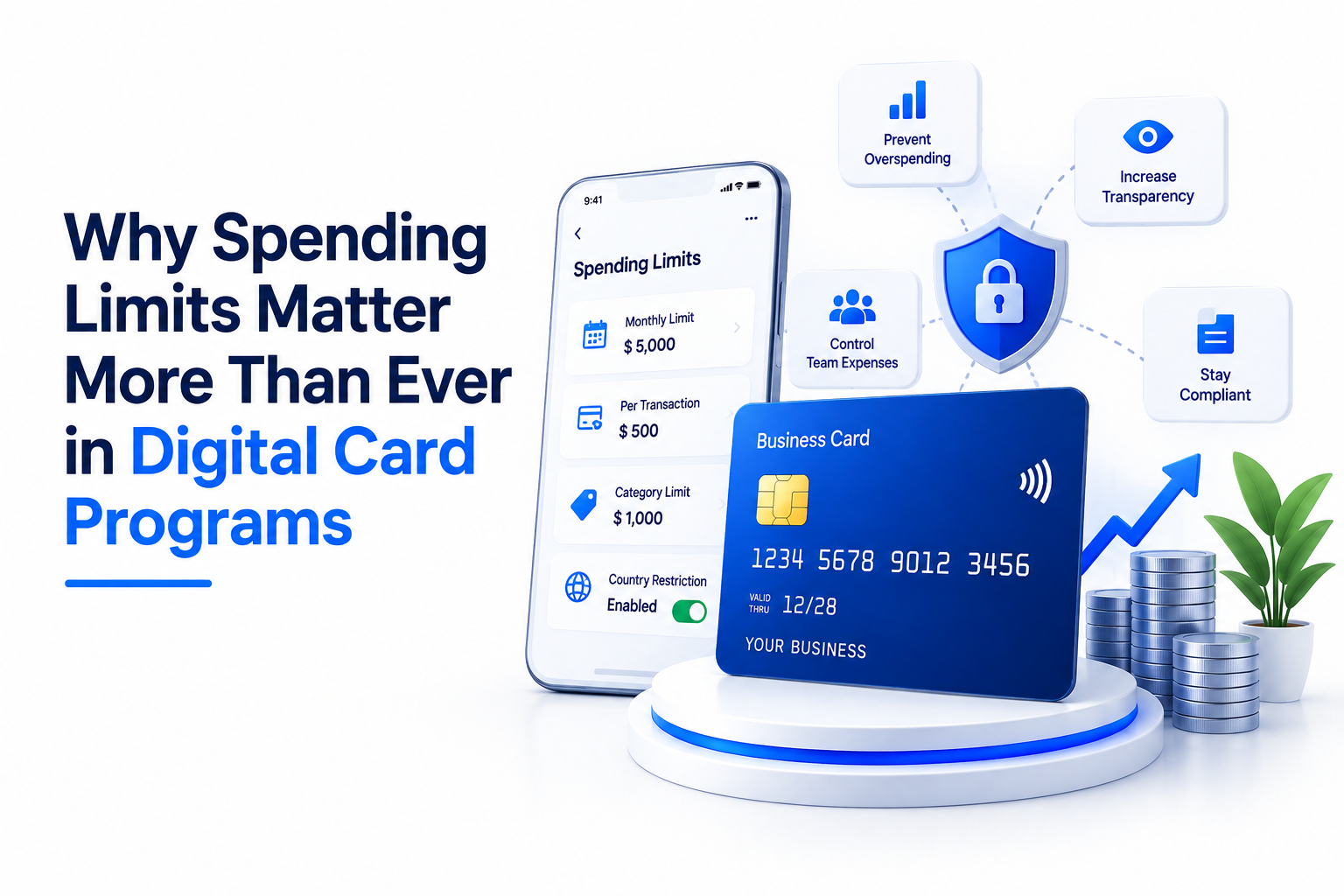
Digital cards have changed how businesses manage payments and expenses. Companies can issue cards for employees, teams, subscriptions, travel, advertising, and other business needs without relying only on traditional physical cards. But issuing a digital card is only one part of the process. The bigger question is: how much should each card be allowed to spend? This is where spending limits become important. A well-designed digital card program can give businesses greater control over spending by setting limits based on employees, teams, merchants, categories, or specific business purposes.
What Are Spending Limits?
A spending limit defines how much a card can be used for within a specific period or under specific conditions. For example, a business may give an employee a virtual card with a monthly budget for software subscriptions. Another card could have a separate limit for travel expenses, while an advertising card may have a higher budget based on campaign requirements. Instead of giving every card unrestricted access, businesses can create spending rules that match the purpose of the card. This makes spending more structured and easier to monitor.
Why Spending Limits Matter in Digital Card Programs
As businesses move more expenses online, controlling spending becomes increasingly important. Digital cards can be issued quickly and used across different types of business activities, but without appropriate controls, managing multiple cards can become difficult. Spending limits create a control layer between the card and the business budget. They help companies decide how much can be spent, where the card can be used, and when spending should be restricted. For businesses managing multiple employees, departments, or payment activities, this can make expense management much more predictable.
Better Control Over Employee Spending
Employee cards are useful for managing business expenses, but giving employees unlimited spending access may create unnecessary risk. With virtual card spending limits, companies can assign budgets according to individual responsibilities. For example, a sales employee travelling for a business meeting may receive a card with a specific travel budget. A marketing team can have another card with a defined advertising budget. This approach allows employees to make necessary payments while keeping spending aligned with company policies.
Spending Limits Can Reduce Unnecessary Expenses
Not every business expense needs unlimited flexibility. When spending limits are clearly defined, employees and teams know the amount available for a particular purpose. This can encourage more responsible spending and reduce purchases that fall outside approved budgets. Limits can also make unusual spending easier to identify. If a card suddenly reaches its assigned limit or shows unexpected activity, the business can review the transaction instead of discovering the issue much later through a monthly statement.
Combining Limits With Other Card Controls
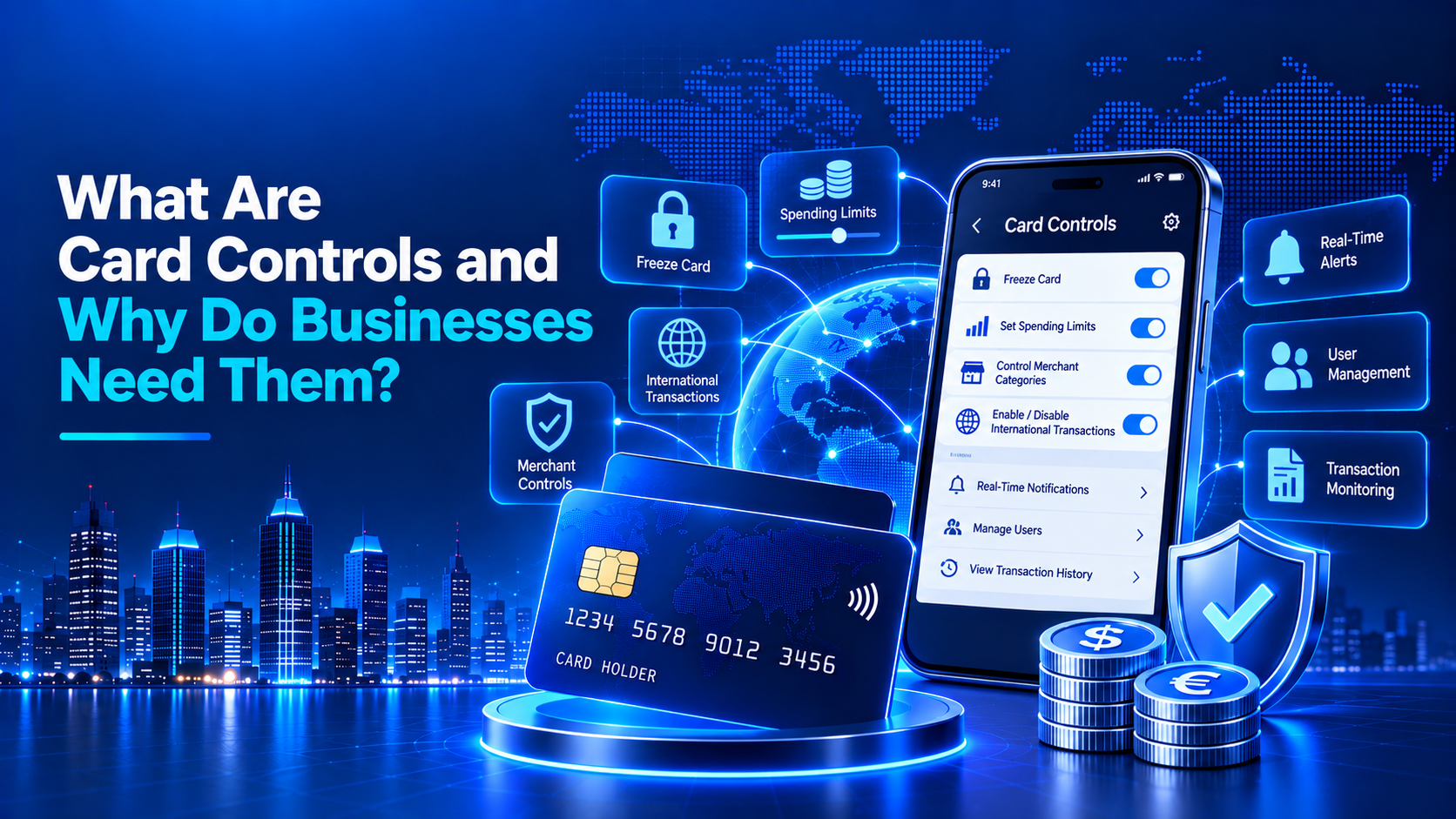
Spending limits become even more useful when combined with other controls within a card issuing platform. For example, a business may define: Maximum spending amounts Merchant restrictions Merchant category rules Country restrictions Channel restrictions Card-level budgets Transaction monitoring These controls allow businesses to create a more detailed spending policy rather than relying on one simple budget number. For example, a card could have a monthly spending limit while also being restricted to specific merchant categories. This gives the business greater control over how the available budget can actually be used.
Real-Time Visibility Makes Limits More Effective
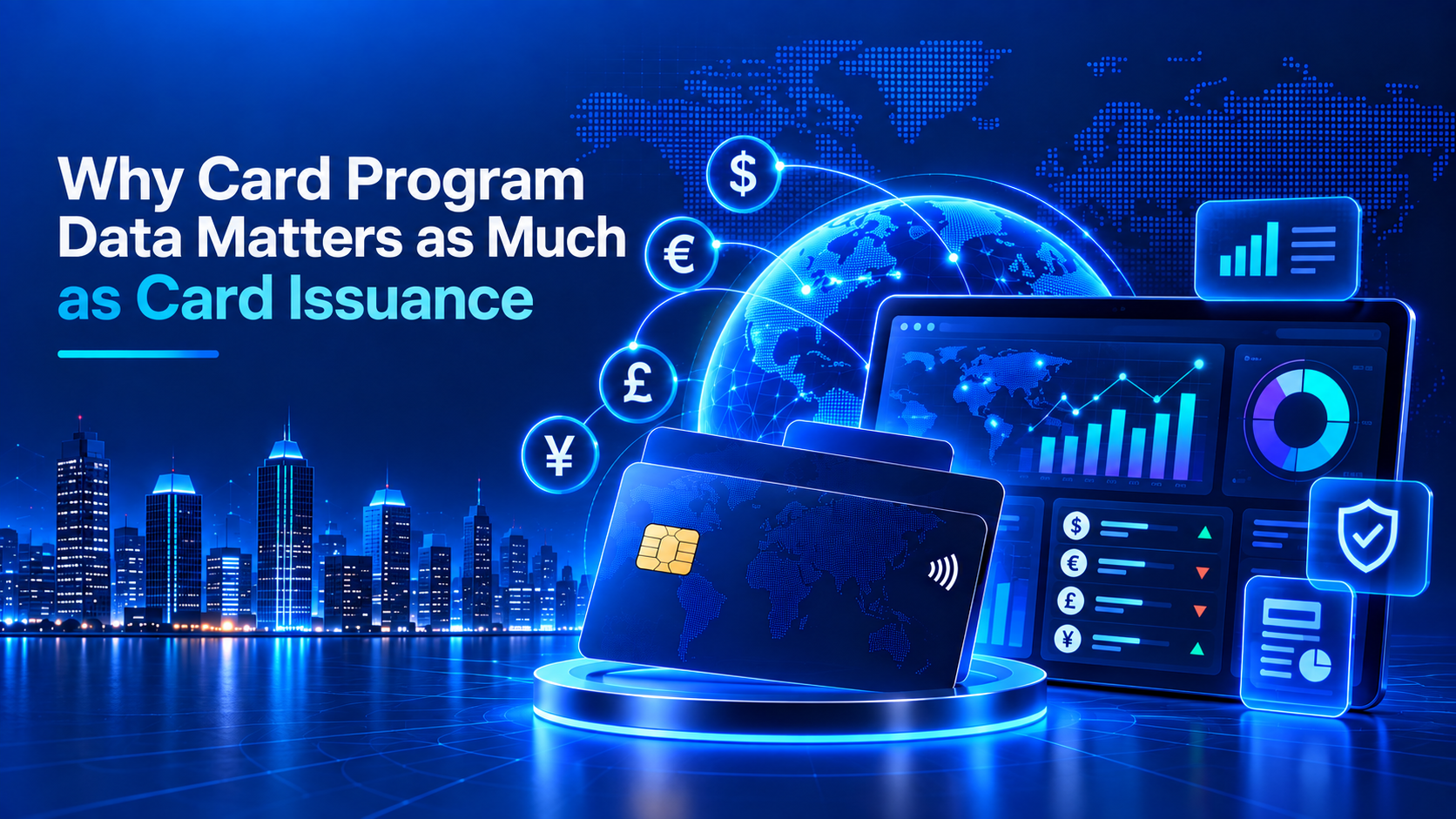
A spending limit works best when businesses can see transactions as they happen. Traditional expense management often depends on statements and reports generated after spending has already occurred. By then, an unwanted transaction may already be completed. Modern digital card infrastructure can provide real-time transaction visibility, allowing businesses to monitor activity and respond quickly when something looks unusual. For businesses using NetPay, card infrastructure can support spending controls alongside real-time transaction visibility. NetPay's card issuing infrastructure is designed to support virtual and physical card programs with configurable spending rules and card lifecycle controls. This gives businesses a more structured way to manage card usage as their programs grow.
Limits Should Match the Purpose of the Card
There is no single spending limit that works for every business card. A subscription card may need a relatively small recurring budget. A corporate travel card may require more flexibility. An advertising card may need limits that can change according to campaign requirements. The important point is to connect the spending limit with the actual purpose of the card.
Why Spending Limits Are Becoming Essential
Digital card programs are becoming more flexible, but flexibility without control can create operational challenges. As businesses issue more cards and manage more transactions, manual monitoring becomes harder. Spending limits provide a simple way to introduce structure into the payment process. They can help businesses manage budgets, control employee spending, reduce unnecessary exposure, and create clearer financial accountability. More importantly, spending limits are no longer just about restricting spending. They are becoming part of a broader card control infrastructure that combines budgets, transaction rules, monitoring, and card lifecycle management.
How NetPay Supports Modern Card Programs
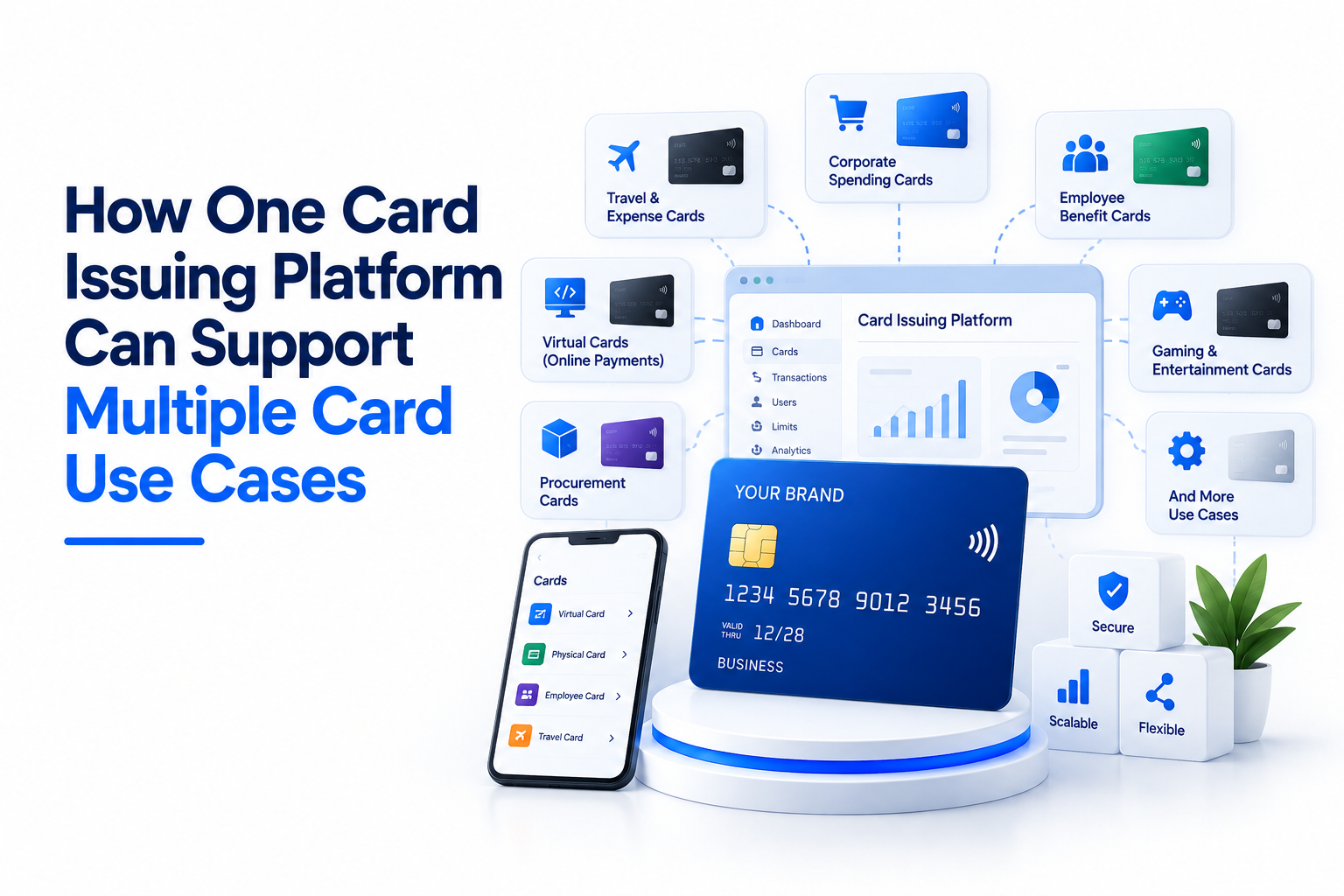
NetPay provides digital card infrastructure for businesses looking to build and manage modern card programs. Its platform supports virtual and physical card issuing, spending controls, real-time transaction visibility, card lifecycle management, and API-based integrations. Businesses can use these capabilities to create card programs where spending rules are built into the infrastructure instead of being managed only after transactions take place. For companies managing employee expenses, subscriptions, travel, advertising, or other business payments, having the right controls in place can make digital cards easier to manage at scale.
Final Thoughts
Digital cards make business payments faster and more flexible, but flexibility needs control. Spending limits help businesses define how much can be spent and create clearer boundaries around card usage. When combined with merchant controls, transaction monitoring, and real-time visibility, they can become an important part of a modern expense management strategy. As digital card programs continue to grow, businesses should not only ask how quickly they can issue a card, but also how effectively they can control what happens after it is issued. That is where smart spending limits can make a meaningful difference.
What are spending limits on digital cards?
Spending limits define how much a digital card can be used for, helping businesses control budgets and manage card usage according to specific requirements.
Why are spending limits important for businesses?
They help businesses control employee and team spending, reduce unnecessary expenses, and create clearer boundaries around how company cards can be used.
Can spending limits be combined with other card controls?
Yes. Spending limits can work alongside merchant restrictions, category controls, country restrictions, transaction monitoring, and other card management rules.
Are spending limits useful for virtual cards?
Yes. Virtual card spending limits can be particularly useful for subscriptions, advertising, travel, employee expenses, and other online business payments.
How does NetPay support spending control?
NetPay provides digital card infrastructure with configurable spending controls, real-time transaction visibility, and card lifecycle management for modern card programs.

The NetPay247 team writes about card issuing, Virtual IBANs, cross-border payments and building products on embedded finance infrastructure.
Leave a reply
Your email address will not be published. Required fields are marked *