
Short answer
Discover how corporate card spending limits improve expense management, employee spending control, transaction monitoring, and financial visibility with NetPay.
Managing business expenses is not simply about reducing spending. It is about knowing where company money goes, who can use it, and whether each transaction follows business policies. As businesses grow, managing employee expenses through manual approvals and spreadsheets can become difficult. This is where spending limits and modern card management tools can make a difference. Effective corporate expense management gives finance teams better visibility while allowing employees to pay for approved business needs. Rather than restricting every purchase, businesses can create clear spending rules that balance flexibility, accountability, and financial control.
Why Spending Limits Matter for Businesses
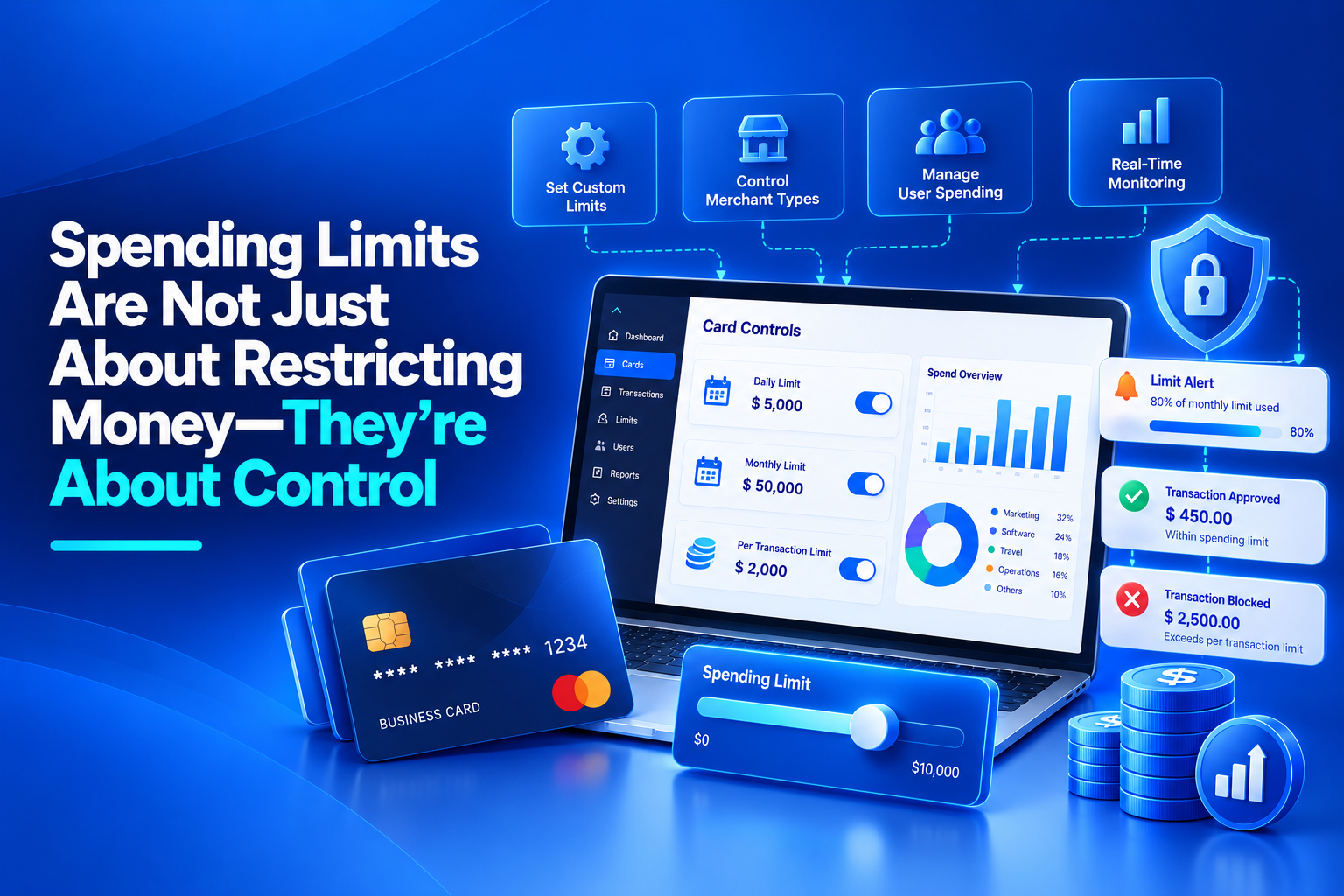
Without clear spending policies, companies may face unexpected expenses, inconsistent approvals, and difficulty tracking transactions. One of the common corporate card management mistakes is providing employees with payment cards without defining how those cards should be used. Employee spending limits help businesses set appropriate budgets for individuals, departments, projects, or specific periods. For example, a marketing team may have a budget for advertising tools, while a sales team may need funds for travel and client meetings. These limits help employees understand their spending boundaries and enable finance teams to maintain better control over company funds.
Corporate Card Spending Controls Go Beyond Budgets
Setting a budget is only one part of managing business expenses. Effective corporate card spending controls can also include merchant category restrictions, transaction limits, card freezing, and other rules depending on the card platform. For example, a business may allow an employee to pay for approved software subscriptions while restricting unrelated purchases. If an employee changes roles or a card shows suspicious activity, the business may also need to adjust or freeze the card. These controls make business card management more structured by helping companies apply spending policies consistently instead of relying only on manual reviews after a transaction occurs.
How Corporate Expense Cards Improve Financial Visibility
Modern corporate expense cards allow businesses to assign payment cards to employees or teams and monitor their activity through a central platform. Instead of waiting until the end of the month to review statements, finance teams can access transaction information as it becomes available. Effective corporate card transaction monitoring helps businesses review spending patterns, identify unusual activity, and compare transactions with internal budgets. When card data connects with expense management or accounting systems, it can also support reporting and reconciliation. This visibility makes it easier to understand how company funds are being used and where spending policies may need improvement.
The Role of Virtual Cards for Business Expenses
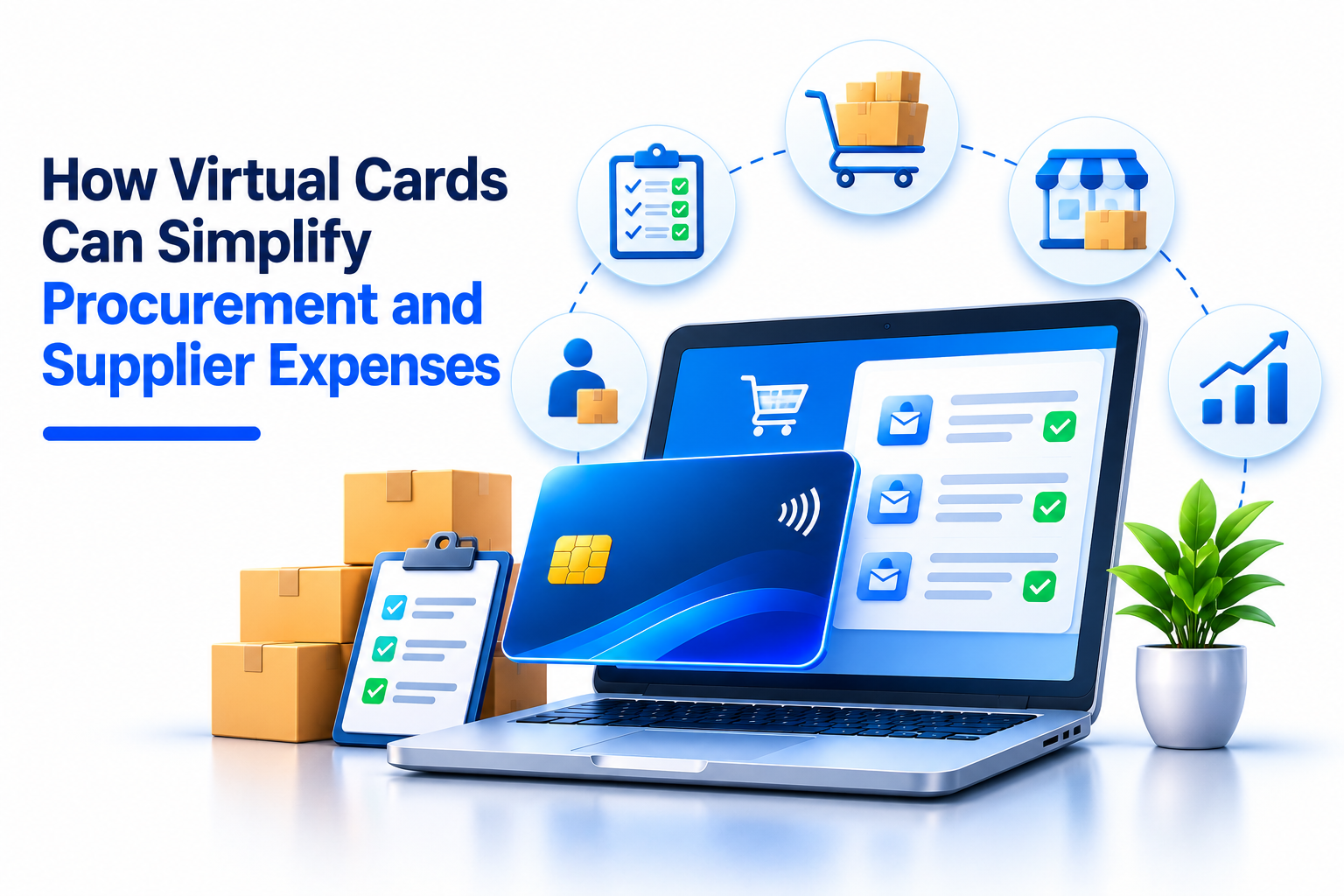
Virtual cards for business expenses offer another way to improve control over company spending. Businesses can issue digital cards for specific employees, software subscriptions, advertising campaigns, travel bookings, or other approved purposes. Depending on the card platform, each virtual card can have its own spending limit and usage restrictions. A business may also be able to freeze or cancel a card when a project ends or access is no longer required. Using separate cards for different purposes can make transactions easier to identify and review. However, businesses should still establish clear policies and monitor activity regularly.
How NetPay Supports Better Spending Control
NetPay provides corporate expense card infrastructure designed to help businesses manage employee spending with greater visibility and control. Its corporate expense card platform supports physical and virtual cards, configurable budgets, merchant category rules, and transaction feeds. Businesses can set limits per card, team, or period and connect transaction information with their expense workflows. These capabilities can help finance teams move beyond manual expense reviews and establish more structured spending processes. The exact controls available depend on the card programme and its configuration. For businesses looking to improve corporate expense management, the goal is not simply to limit spending. It is to provide employees with appropriate payment access while giving finance teams the tools to monitor transactions and enforce company policies.
Conclusion
Spending limits are more than restrictions on company money. They help businesses define responsibility, manage budgets, and make spending easier to monitor. By avoiding common corporate card management mistakes, applying suitable corporate card spending controls, and using real-time transaction information, businesses can improve financial visibility without creating unnecessary barriers for employees. With NetPay corporate expense card infrastructure, businesses can explore configurable spending limits, card management tools, and transaction monitoring capabilities to build a more controlled and efficient expense management process.
Why are spending limits important for corporate cards?
Spending limits help businesses establish clear budgets, manage employee expenses, and reduce the risk of transactions exceeding approved spending policies.
What are common corporate card management mistakes?
Common mistakes include setting unclear spending policies, failing to assign appropriate limits, not monitoring transactions regularly, and delaying card access changes when employee responsibilities change.
How do corporate card spending controls work?
Depending on the platform, businesses can apply transaction limits, merchant category restrictions, and card status controls. These rules can be evaluated during transaction authorisation.
Are virtual cards useful for business expenses?
Yes. Virtual cards can be useful for online purchases, software subscriptions, advertising, and other approved expenses. Separate cards and configurable limits can make spending easier to track.
How does corporate card transaction monitoring help finance teams?
It provides visibility into card activity, helping finance teams review transactions, identify unusual spending, track budgets, and support expense reconciliation.

The NetPay247 team writes about card issuing, Virtual IBANs, cross-border payments and building products on embedded finance infrastructure.

Leave a reply
Your email address will not be published. Required fields are marked *