
Short answer
Explore prepaid card programs for employee payments, creator payouts and rewards. Learn how to choose the right model with NetPay card issuing infrastructure.
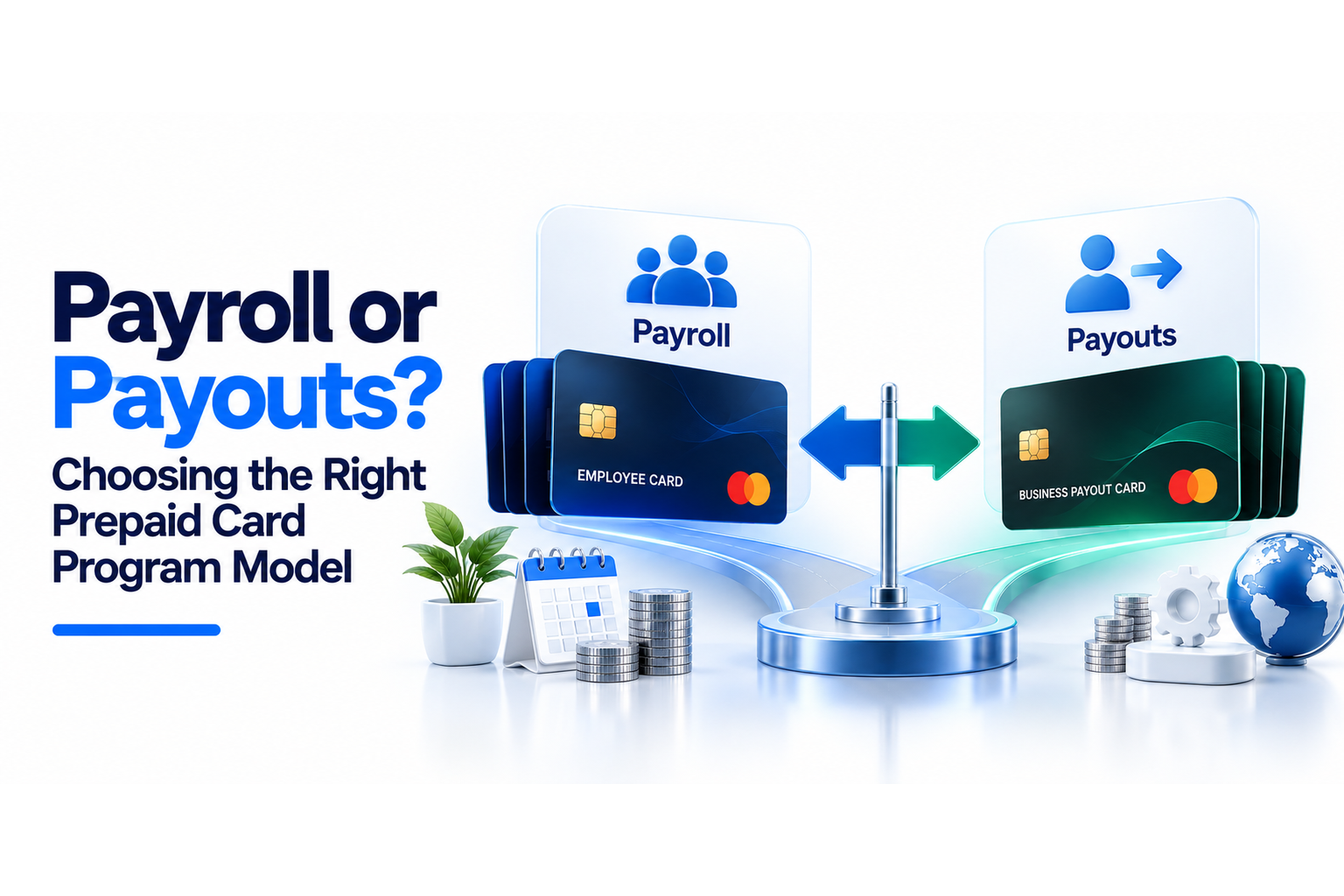
Businesses today need flexible ways to distribute money to employees, creators, contractors, and customers. Traditional bank transfers may work for some use cases, but other payment models require more control, faster distribution, or a digital payment experience. This is where prepaid card programs can become a useful option. However, not every card program serves the same purpose. A program designed for employee payments may have different requirements from one used for creator payouts, rewards, or business incentives. Choosing the right model starts with understanding who receives the funds, how the money will be used, and what level of control the business needs. With NetPay's card issuing infrastructure, businesses and fintech platforms can explore card program models built around different payment needs.
What Is a Prepaid Card Program?
A prepaid card program allows funds to be loaded onto payment cards for eligible spending, subject to the program's rules and supported functionality. Depending on the setup, cards may be issued digitally or physically and used for approved purchases. For businesses, prepaid cards can support several use cases, including employee spending, incentives, rewards, and certain payout arrangements. The right setup depends on the card program structure, issuer requirements, applicable regulations, and the intended recipients. Rather than treating every payment as a simple transfer, businesses can design a card-based experience around how recipients need to access and use their funds.
1. Employee Payments: Supporting Everyday Business Needs
Employee payment programs can involve salaries, reimbursements, allowances, travel expenses, or other work-related payments. Before choosing a prepaid card model, businesses should identify the exact purpose of the funds. For example, a company may want to provide employees with cards for approved business expenses, travel budgets, or recurring allowances. In these cases, corporate prepaid cards can offer a structured way to manage spending, depending on the available controls. Businesses should also distinguish between employee expense cards and salary disbursement programs. A card used to pay for business expenses is not automatically suitable for salary payments. Payroll use requires appropriate payment arrangements, legal and regulatory checks, and confirmation that the program supports the intended use. For businesses evaluating NetPay card issuing, defining the employee payment use case first helps establish which card features and program arrangements are required.
2. Creator and Contractor Payouts: Making Fund Distribution More Flexible
Creator platforms, digital marketplaces, and contractor networks often need to distribute funds to people working across different projects or locations. Their payment requirements may vary based on payout frequency, recipient preferences, transaction volume, and geographical coverage. A prepaid card payout program may provide an alternative way for eligible recipients to access and spend funds, where the program supports this arrangement. For example, a platform may explore card-based payouts for creators receiving earnings or contractors receiving eligible payments. The key consideration is the recipient experience. Businesses should evaluate how funds are loaded, how recipients activate and access their cards, what fees may apply, and where cards can be used. A suitable card issuing platform can help businesses structure the card side of this experience, while the broader payout process must be designed around the platform's payment requirements and supported capabilities.
3. What Should Businesses Compare Before Choosing a Model?
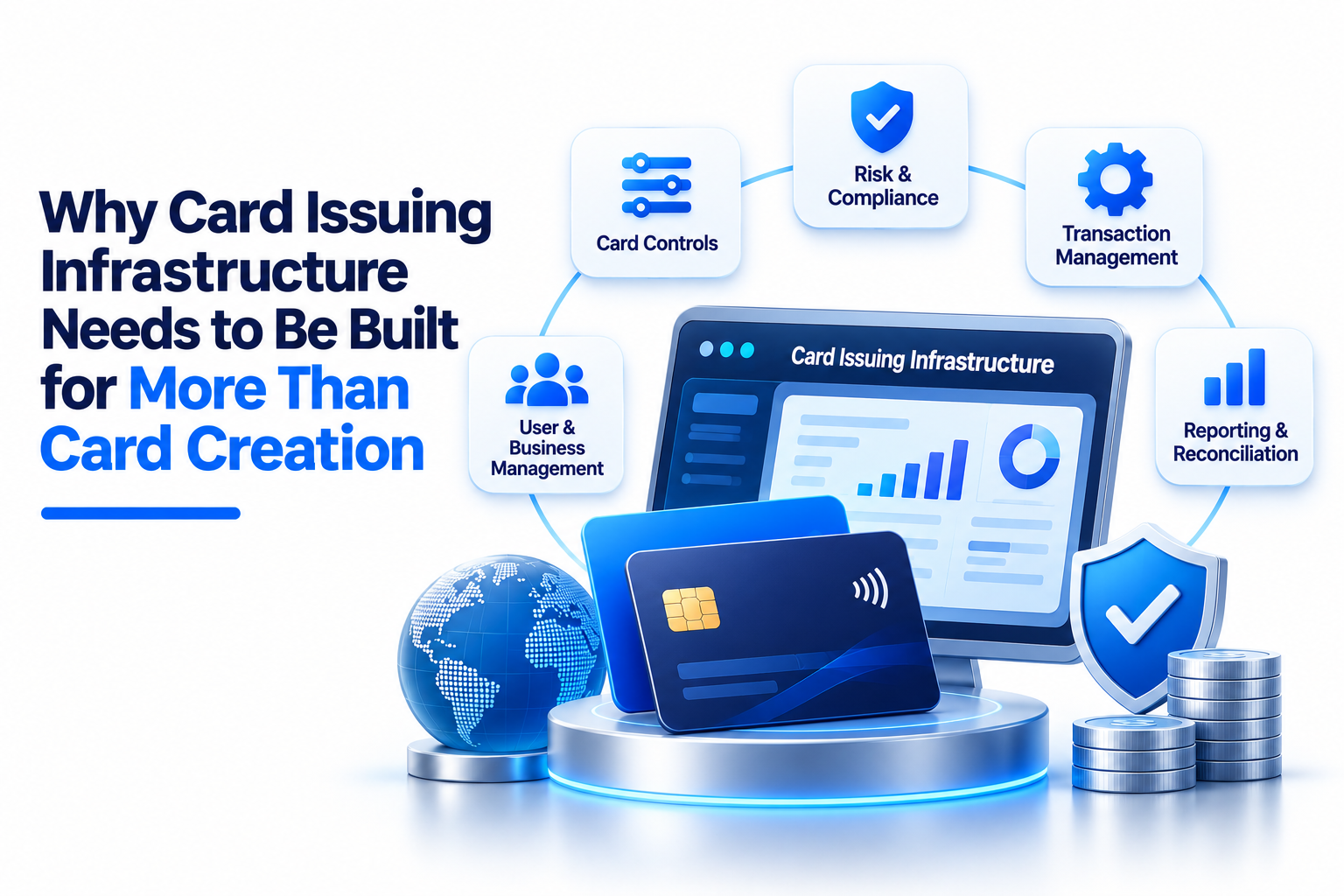
Although employee payments, creator payouts, and rewards may all involve distributing funds, their operational requirements are not identical. Before selecting a program, businesses should assess the following factors: Recipient type: Employees, contractors, creators, customers, or business partners may have different payment needs. Funding process: Determine how funds will be loaded, transferred, and made available to cardholders. Card controls: Evaluate available spending limits, card activation, freezing, blocking, and other management features. Payment coverage: Confirm supported markets, currencies, card usage, and applicable restrictions. Reporting and reconciliation: Ensure transaction records can support financial reporting and internal reviews. Integration requirements: Consider whether card issuing APIs can connect the program with existing business applications and payment workflows. Compliance requirements: Review applicable rules for the intended card use, recipient onboarding, and fund distribution model. These checks help businesses choose a program that fits their actual needs instead of selecting a card model based only on convenience.
How NetPay Fits Into Card Program Planning
Choosing a card program involves more than deciding who receives a card. Businesses also need infrastructure to support card issuance, management, and integration with their wider payment operations. NetPay provides card issuing infrastructure designed to support digital payment card programs. Its card issuing capabilities include support for physical and virtual cards, with program functionality such as card creation, activation or blocking, spending controls, and transaction visibility depending on the configured solution. Through NetPay card issuing APIs, businesses and fintech platforms can explore ways to connect card functionality with their applications and operational workflows. This can be relevant when developing employee expense solutions, branded card experiences, or other card-based payment products. The specific suitability of NetPay for payroll, creator payouts, or rewards distribution should be confirmed against the intended program structure, supported funding flows, and applicable requirements.
Final Thoughts
Payroll-related payments, creator payouts, and rewards distribution may all involve sending money, but each use case has different operational needs. Employee expense programs may prioritize spending controls, creator payout models may focus on convenient access to earnings, and rewards programs may emphasize recipient experience and distribution flexibility. The right prepaid card program model begins with a clear understanding of the purpose, recipient, funding process, and compliance requirements. Businesses should then evaluate the card controls, APIs, reporting, and infrastructure needed to support the program. With NetPay's card issuing infrastructure, businesses and fintech platforms can explore card program options aligned with their payment needs and build a more structured foundation for digital card experiences.

The NetPay247 team writes about card issuing, Virtual IBANs, cross-border payments and building products on embedded finance infrastructure.
Leave a reply
Your email address will not be published. Required fields are marked *