
Short answer
Learn how physical card production and fulfilment work, including card design, EMV technology, network approval, and branded card issuing for businesses.
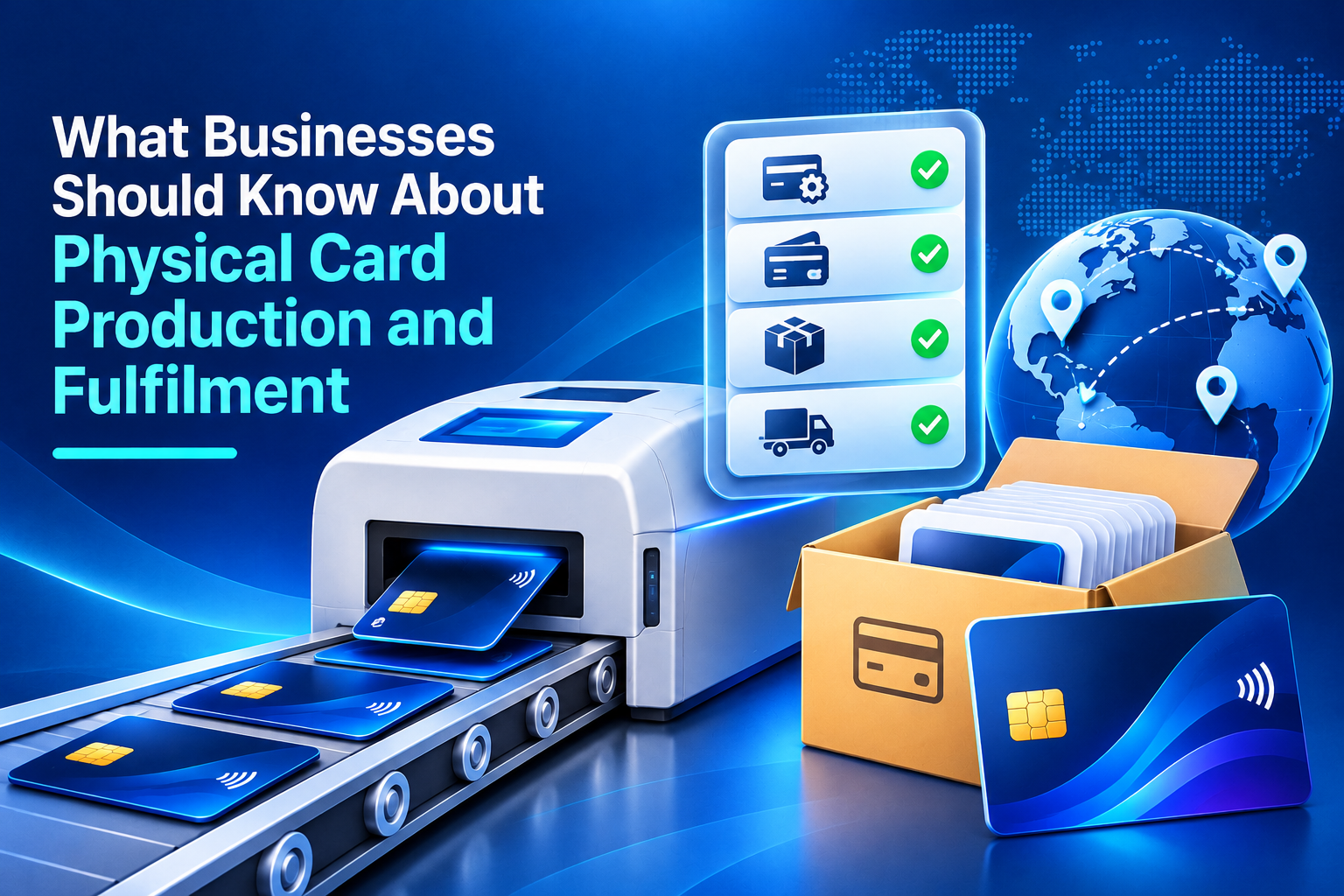
Physical payment cards continue to play an important role in the financial services industry. From fintech companies and digital banking platforms to businesses offering branded payment solutions, physical cards provide customers with a familiar and convenient way to make payments. However, launching a physical card program involves more than choosing a card design. Businesses need to consider card specifications, branding, network approval, production requirements, and the processes involved in getting cards ready for distribution. Understanding the physical card production and fulfilment process can help businesses plan their card programs more effectively and deliver a consistent experience to cardholders.
What Is Physical Card Production and Fulfilment?
Physical card production refers to preparing payment cards with the required design, branding, and technical features. This includes card artwork, personalization requirements, and the necessary approval process. Card fulfilment refers to the operational process of preparing issued cards for delivery to their intended recipients. Depending on the card program, this may involve card packaging, distribution arrangements, and delivery coordination. Together, these processes help businesses turn a card issuing program into a practical payment product for their customers.
Key Stages of Physical Card Production
Launching a physical card program involves several important stages. 1. Card Design and Personalization The first step is creating a card design that reflects the business's brand identity. This may include company logos, brand colors, custom artwork, and other visual elements. Through custom card personalization, businesses can create branded payment cards that offer a consistent experience to their customers. 2. Technical Specifications and Card Features Businesses must consider the technical requirements of their physical cards. These may include EMV chip technology, NFC contactless functionality, and compatibility with supported payment networks. Selecting the right card features helps businesses align their card programs with their intended payment requirements. 3. Visa and Mastercard Design Approval For programs operating on Visa and Mastercard networks, card artwork and branding must follow the applicable network requirements and approval processes. Businesses should plan for this stage before moving forward with their physical card program. 4. Production Planning and Order Requirements Production planning involves understanding card quantities, customization requirements, and the commercial terms of the issuing program. Businesses should also consider minimum order quantities and production timelines when planning their launch.
How Card Issuing Infrastructure Supports Physical Card Programs
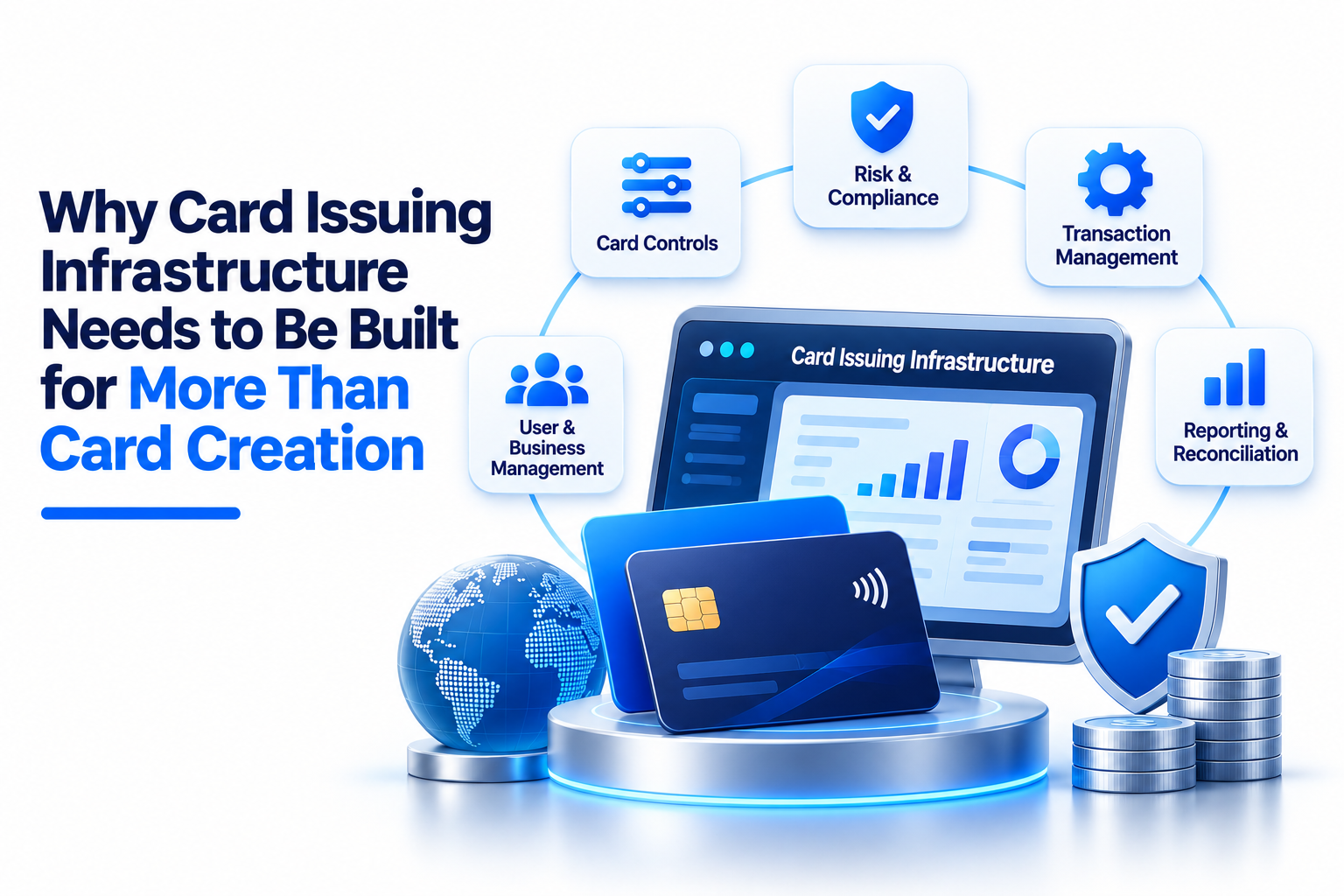
Managing a physical card program requires reliable card issuing infrastructure that connects card creation, program configuration, compliance coordination, and ongoing card management. Businesses may need access to APIs, dashboards, card controls, transaction monitoring, and reporting tools to manage their programs efficiently. NetPay provides physical and virtual Visa and Mastercard card issuing infrastructure designed for businesses looking to develop branded payment card programs. Its physical card offering includes EMV chip technology, NFC contactless functionality, and custom card branding. NetPay also supports API access, dashboard configuration, compliance coordination, and initial testing as part of its card program onboarding process. Businesses considering a physical card program can explore NetPay's card issuing solutions to understand the available infrastructure, customization options, and program requirements.
Final Thoughts
Physical card production and fulfilment involve several important considerations, from card design and technical specifications to network approval and distribution planning. For businesses planning to introduce branded payment cards, understanding these stages can help create a more organized launch process and a better cardholder experience. With the right physical card issuing infrastructure, businesses can develop payment card programs that align with their brand identity and operational requirements. NetPay supports businesses with physical and virtual card issuing solutions, API connectivity, and card management capabilities.
What is physical card production?
Physical card production is the process of preparing payment cards with the required design, branding, technical features, and specifications for a card issuing program.
What are the main stages of physical card production?
The main stages include card design, personalization, technical specification planning, network approval, and production preparation.
What is physical card fulfilment?
Physical card fulfilment involves preparing payment cards for distribution and coordinating their delivery to the intended cardholders.
What technologies are used in modern physical payment cards?
Modern payment cards commonly use EMV chip technology and NFC contactless functionality to support secure and convenient payment experiences.
Does NetPay support physical card issuing?
Yes. NetPay provides physical Visa and Mastercard card issuing infrastructure with EMV chips, NFC contactless functionality, custom branding, API access, and dashboard support.

The NetPay247 team writes about card issuing, Virtual IBANs, cross-border payments and building products on embedded finance infrastructure.
Leave a reply
Your email address will not be published. Required fields are marked *