
Short answer
Learn how fintech businesses can secure virtual cards with spending controls, transaction monitoring, API security, KYC, AML, and real-time card management.
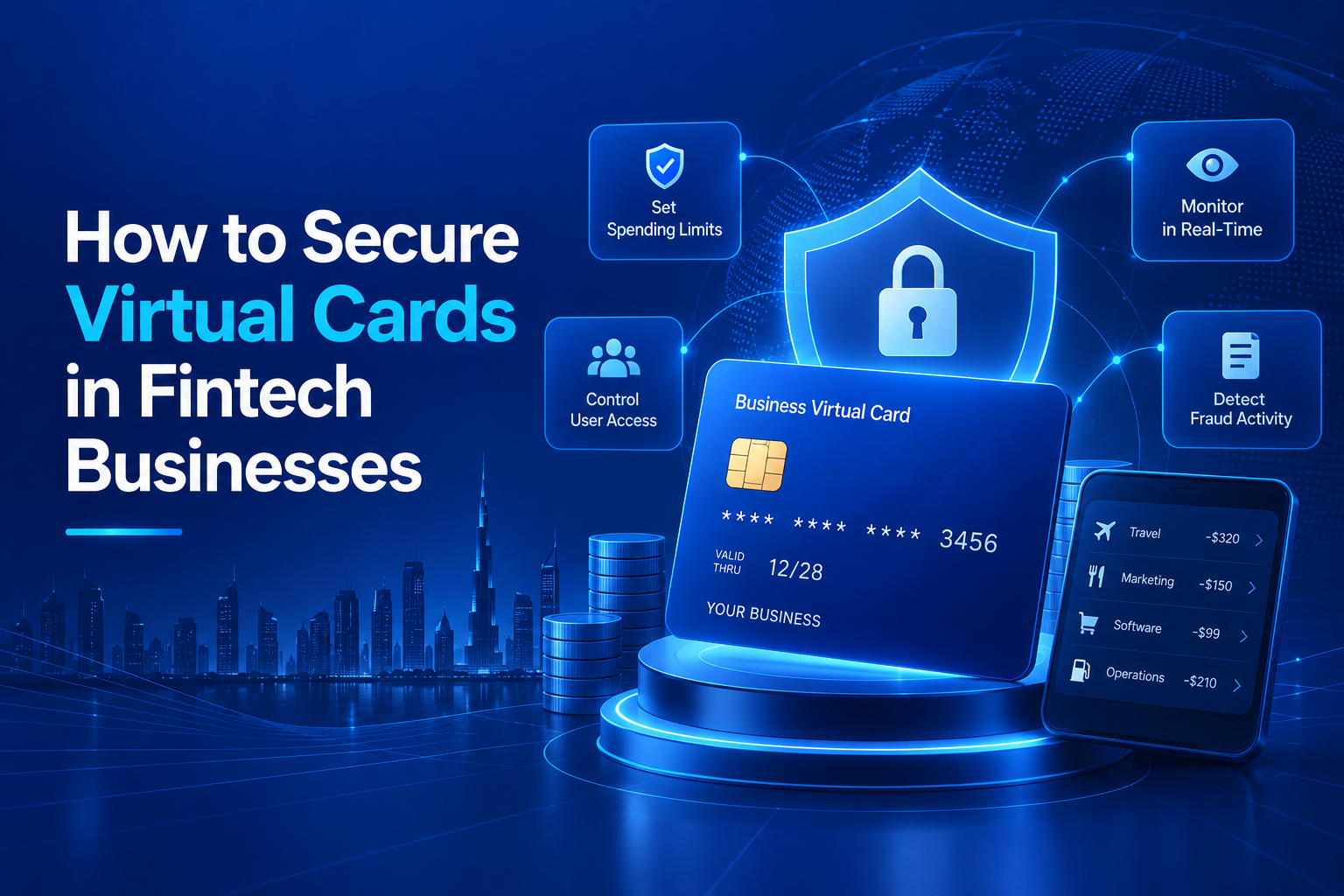
Virtual cards have become an important part of modern fintech infrastructure. They can be issued instantly, used for online payments, assigned to specific purposes, and managed digitally without the need for physical card distribution. But convenience also brings responsibility. Fintech businesses need to protect card credentials, monitor transactions, control spending, and respond quickly when suspicious activity is detected. A secure virtual card solution is therefore not just about issuing a card. It requires multiple security and risk controls working together. So, how can fintech businesses secure virtual cards effectively?
1. Use Card-Level Spending Controls
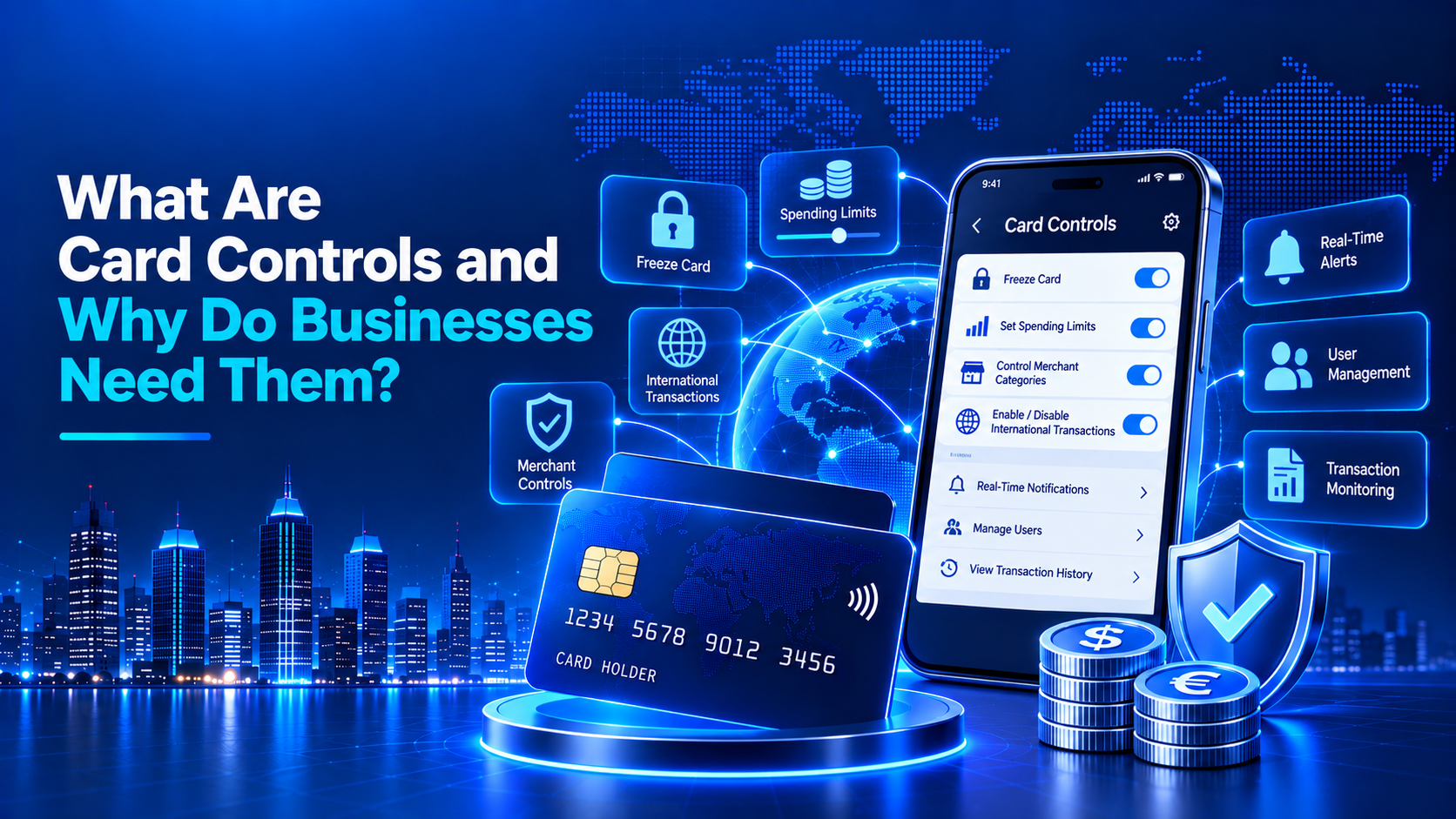
One of the simplest ways to reduce risk is to limit how a virtual card can be used. Fintech platforms can set controls such as: Spending limits Merchant restrictions Transaction limits Card expiry periods Single-use or limited-use cards For example, a virtual card created for a software subscription can be restricted to a particular merchant and spending amount. This reduces the potential impact if the card details are exposed.
2. Use Single-Use and Merchant-Locked Cards
Not every payment needs a reusable card. For one-time supplier payments or specific online transactions, a single-use virtual card can provide an additional layer of protection. Once the intended transaction is completed, the card can become unusable. For recurring expenses, fintech businesses can use cards dedicated to a specific merchant or subscription. NetPay's virtual card infrastructure supports use cases such as single-use cards, merchant-locked cards, and cards with individual spending controls.
3. Monitor Transactions in Real Time
Security does not end when the card is issued. Fintech businesses need visibility into how cards are being used. Real-time transaction monitoring can help identify unusual spending patterns and potentially suspicious activity. For example, a transaction that suddenly exceeds a card's normal spending behaviour may require additional review. Continuous monitoring gives fintech teams an opportunity to detect and respond to unusual activity earlier.
4. Make Card Blocking Fast
When suspicious activity is detected, speed matters. A fintech platform should be able to freeze, block, or cancel a virtual card quickly without waiting for manual banking processes. Virtual cards have an operational advantage here because a compromised card can be terminated and replaced digitally. NetPay's card infrastructure supports controls including freeze, unfreeze, cancellation, and blocking. The faster a business can restrict a compromised card, the smaller the potential exposure can be.
5. Protect the API Layer
Modern virtual card issuing is often API-driven. APIs can be used to create cards, manage card status, retrieve transaction information, configure spending limits, and receive transaction updates. This makes API security a critical part of card security. Fintech businesses should use strong authentication, access controls, secure credentials, role-based permissions, and appropriate monitoring for API activity. Only authorized systems and users should be able to perform sensitive actions such as issuing cards, changing limits, or blocking cards.
6. Build KYC and AML Into the Card Program
Card security is not only about protecting card numbers. Fintech businesses also need to understand who is using their financial products and monitor activity appropriately. KYC (Know Your Customer) and AML (Anti-Money Laundering) processes can help businesses verify customers, assess risk, and monitor transactions according to their applicable requirements. These controls should be considered from the beginning of a fintech card program rather than added later.
7. Keep Transaction Data and Reconciliation Connected
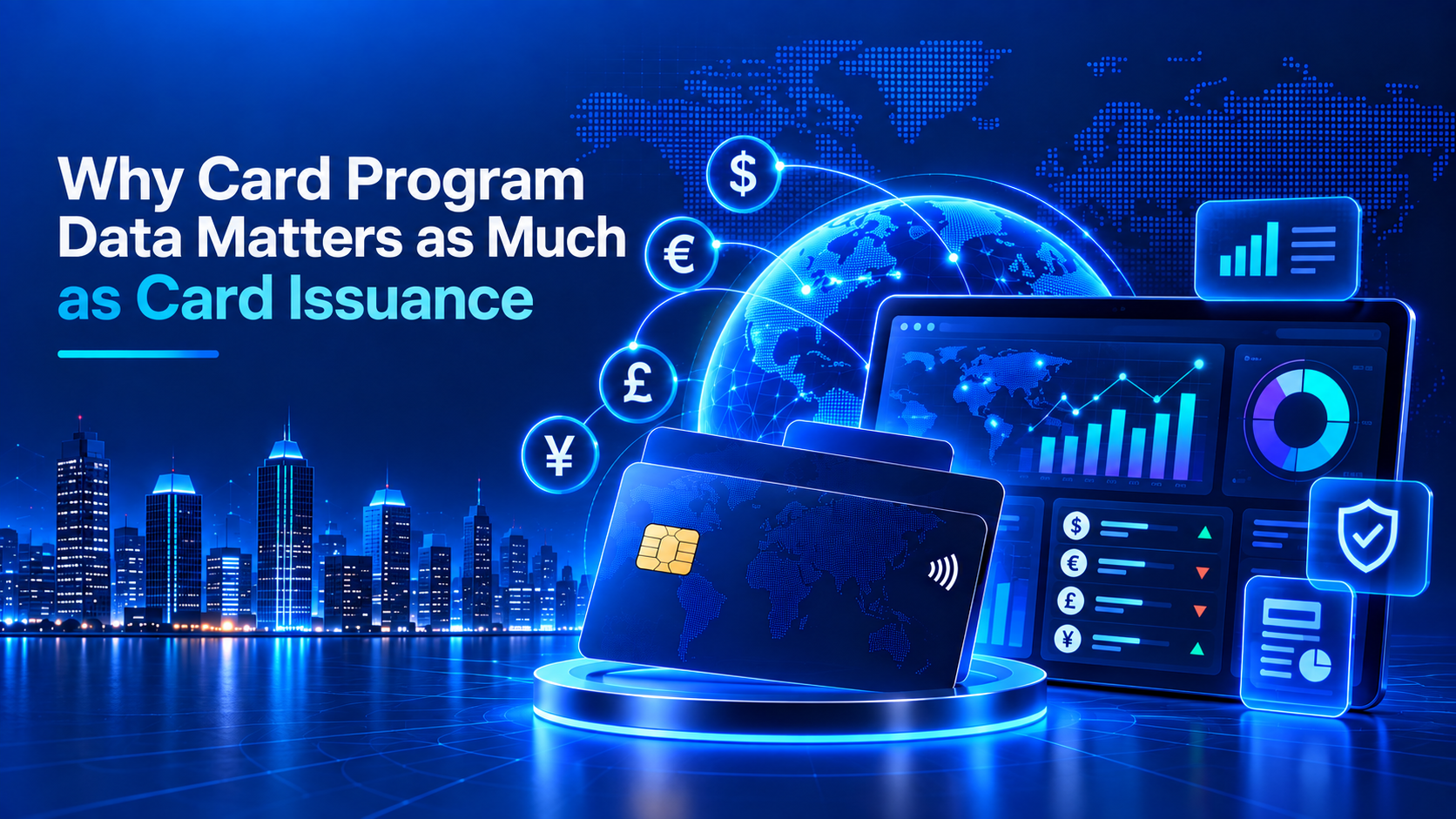
A secure card program also needs strong operational visibility. Businesses should be able to connect card transactions with balances, customer accounts, internal records, and reconciliation processes. This makes it easier to identify unusual transactions, investigate discrepancies, and maintain an accurate financial record. For fintech platforms managing large card programs, automated reporting and reconciliation can also reduce reliance on manual processes. NetPay provides transaction reporting, load history, spending reports, and reconciliation capabilities within its card infrastructure.
How NetPay Supports Secure Virtual Card Programs
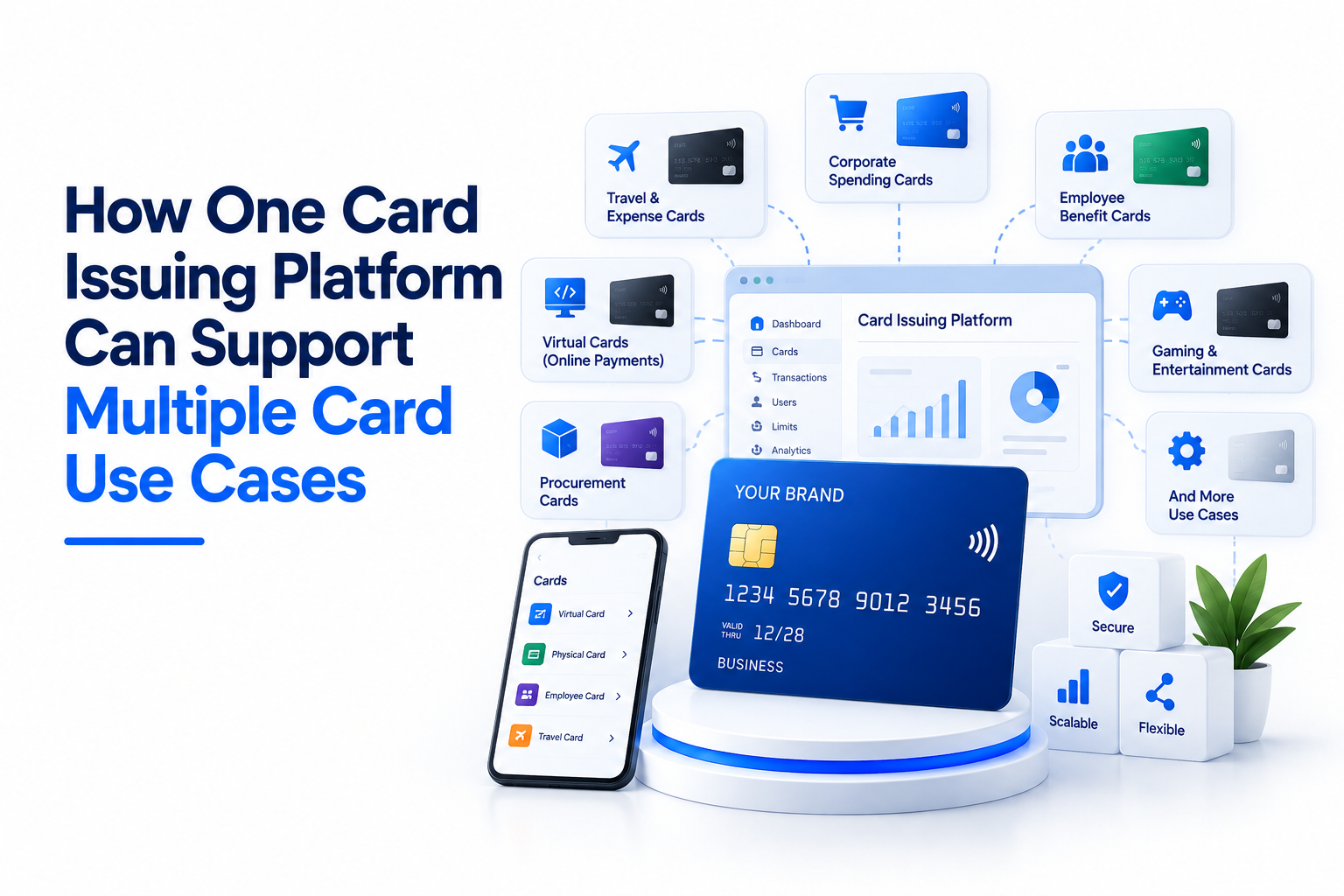
NetPay provides virtual card issuing infrastructure for fintechs, digital businesses, brokers, marketplaces, and other companies building card programs. Its infrastructure combines virtual and physical card issuing with APIs, card controls, transaction monitoring, dashboards, webhooks, reporting, and reconciliation. Businesses can use controls such as spending limits, card blocking, freeze/unfreeze, and cancellation to manage card activity. Transaction monitoring and risk controls provide additional visibility into how cards are being used. This creates a more connected approach to virtual card security: Issue → Control → Monitor → Detect → Block → Review → Reconcile
Security Should Be Built Into the Card Infrastructure
Virtual cards can provide strong flexibility and control, but security should not depend on one feature. A secure fintech card program combines: Card controls + Transaction monitoring + API security + KYC/AML + Risk management + Real-time visibility When these layers work together, fintech businesses can give customers the convenience of digital cards while maintaining stronger control over card activity. The goal is not simply to create a virtual card. It is to create a secure virtual card environment that can monitor transactions, limit exposure, respond quickly to suspicious activity, and scale as the fintech business grows.
How can fintech businesses secure virtual cards?
Fintech businesses can use spending limits, merchant restrictions, transaction monitoring, card blocking, API security, KYC/AML controls, and real-time transaction visibility to protect virtual card programs.
Are virtual cards safer than physical cards?
For online payments, virtual cards can offer additional control because they can be issued for specific purposes, restricted by spending rules, locked to merchants, or cancelled and replaced quickly when compromised.
What happens if a virtual card is compromised?
The fintech platform can freeze, block, or cancel the affected card and issue a replacement where appropriate. The ability to manage the card digitally can help reduce the response time.
Why are spending limits important for virtual cards?
Spending limits reduce the amount that can potentially be charged to a card and allow businesses to align each card with a specific budget or use case.
How does transaction monitoring improve virtual card security?
Transaction monitoring helps fintech businesses identify unusual or potentially suspicious card activity and take appropriate action.

The NetPay247 team writes about card issuing, Virtual IBANs, cross-border payments and building products on embedded finance infrastructure.
Leave a reply
Your email address will not be published. Required fields are marked *