
Short answer
Discover how digital cards help businesses control expenses, set spending limits, monitor transactions, manage employee spending, and simplify reconciliation.
Managing business expenses becomes more complicated as a company grows. Employees may need to pay for software subscriptions, travel, advertising, supplier services, and other operational costs across different locations and currencies.
Traditional expense processes often depend on physical cards, reimbursement claims, spreadsheets, and delayed statements. While these methods can work for smaller teams, they can become difficult to manage when transaction volumes increase.
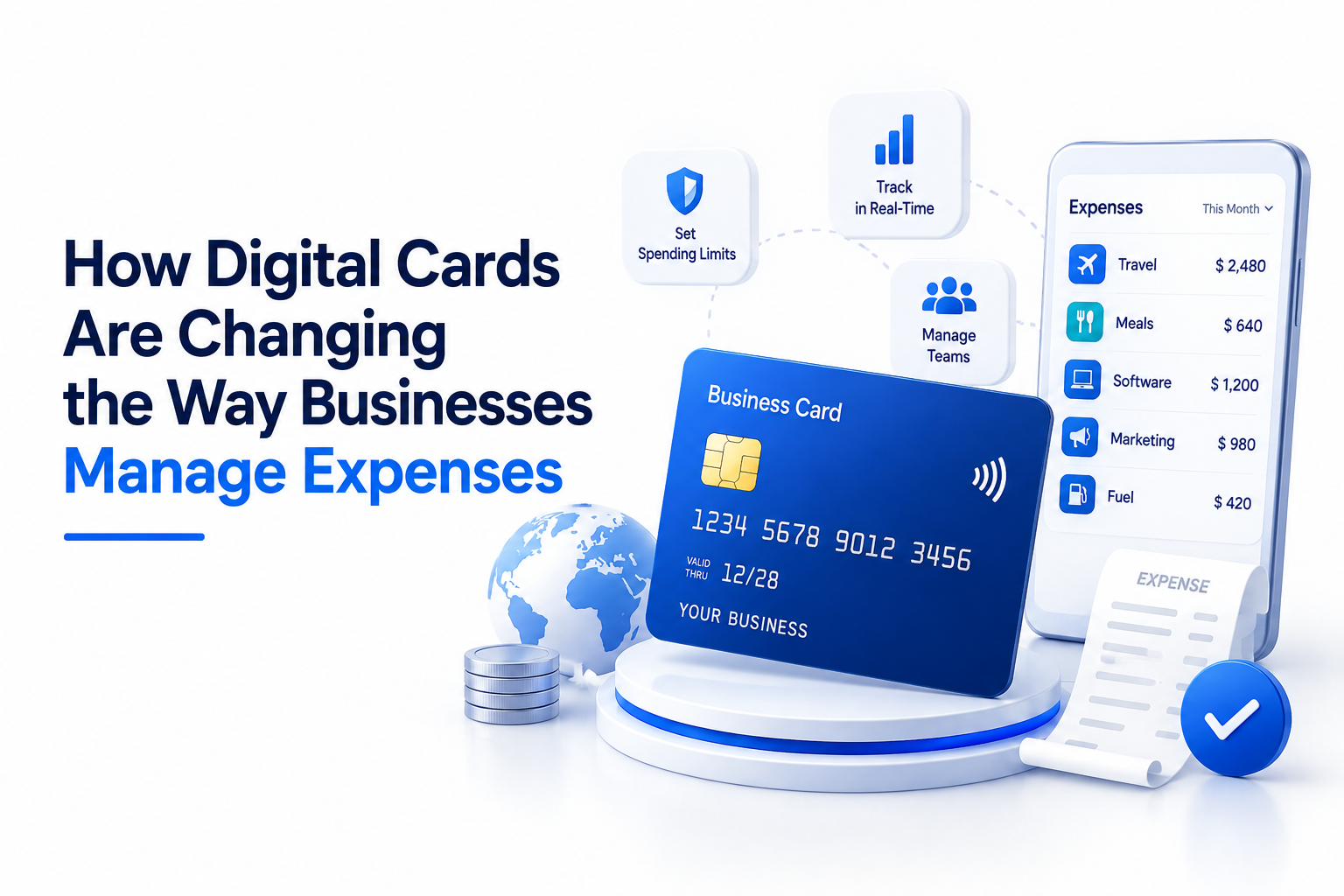
This is where digital cards for business expenses are changing the way companies manage spending.
Digital cards give businesses greater control over how money is spent while providing finance teams with faster visibility into transactions, budgets, and card activity.
What Are Digital Expense Cards?
A digital expense card is a payment card issued electronically and managed through a digital platform.
Businesses can create cards for individual employees, teams, departments, projects, or specific spending requirements. Because the cards are managed digitally, companies can often issue, activate, freeze, or update them without waiting for a physical card.
For example, a company could create a virtual card specifically for a software subscription or issue an employee card with a defined monthly travel budget.
This creates a more structured approach to business spending.
From Reimbursement to Controlled Spending
One of the biggest changes digital cards bring is moving businesses away from a reimbursement-first model.
In a traditional process:
Employee spends → Keeps receipt → Submits expense → Finance reviews → Company reimburses
With digital expense cards, the process can become:
Business sets budget → Employee spends → Transaction is recorded → Finance monitors
This can reduce administrative work while giving businesses greater control before and during the transaction.
Real-Time Spending Visibility
One of the main advantages of modern expense management cards is real-time transaction visibility.
Finance teams do not necessarily have to wait for a monthly statement to understand where company money is being spent.
Digital card infrastructure can provide transaction feeds, balance information, and spending activity as transactions occur.
This makes it easier to identify unusual spending, monitor budgets, and maintain better financial oversight.
NetPay's corporate expense card platform, for example, provides real-time transaction feeds and supports integration with expense workflows.
Set Spending Limits and Rules
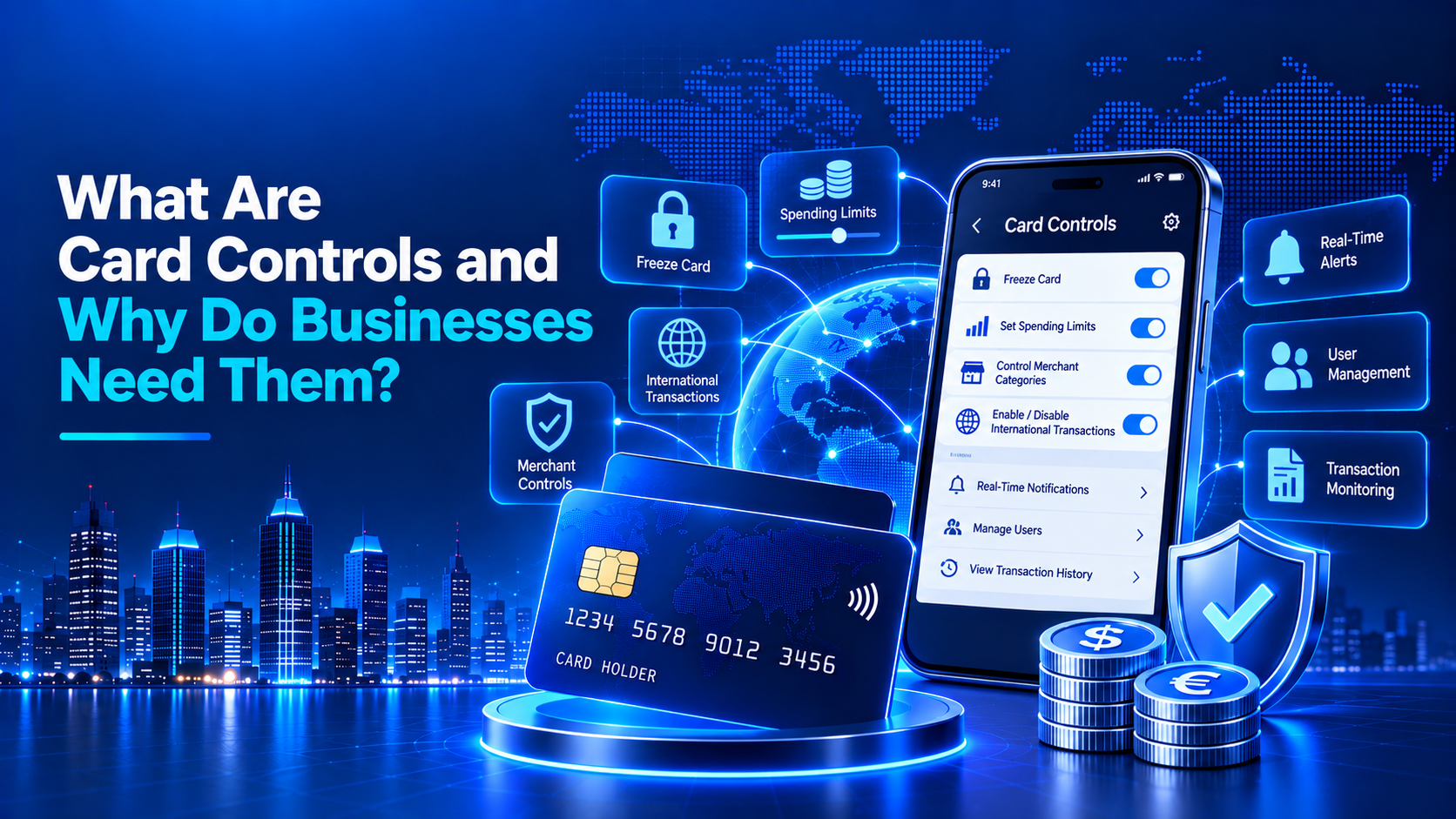
Digital cards can also make spending policies easier to enforce.
Businesses can define budgets based on the employee, team, period, merchant category, or other requirements.
For example:
- Marketing Team → Advertising Budget
- Sales Team → Travel Budget
- IT Team → Software Subscriptions
- Operations Team → Supplier Expenses
These controls help businesses give employees the spending ability they need without giving unrestricted access to company funds.
Modern card infrastructure can also apply merchant-category and other rules during authorization, allowing certain transactions to be approved or declined automatically.
Easier Management of Employee Cards
Employee requirements can change frequently.
A new employee may need a card immediately. A team member may change departments. A project budget may increase or end. A card may need to be frozen because of unusual activity.
With digital card management, these actions can be handled through a centralized platform.
Businesses can issue cards, activate or block them, adjust spending controls, and monitor transactions without relying entirely on manual processes.
This makes digital card management useful for companies with distributed teams and growing operational expenses.
Better Control Across Multiple Currencies
Global businesses may also need employees and teams to spend across different countries.
Travel, international subscriptions, supplier payments, and other business expenses can involve multiple currencies.
Digital card infrastructure can support multi-currency spending while giving businesses a centralized view of card activity.
NetPay's expense-card infrastructure supports multi-currency spending, with settlement across 35+ currencies behind the scenes.
This can be particularly useful for businesses that operate across international markets.
Connecting Cards With Expense Systems
Digital cards become even more useful when they are connected to the rest of a company's financial workflow.
Instead of treating the card as a standalone payment tool, businesses can connect card activity with accounting platforms, expense management software, internal dashboards, or other business systems.
APIs and webhooks can help move transaction information between systems automatically.
For example:
Card transaction → Real-time event → Expense system → Accounting record → Reconciliation
This reduces the need to manually copy transaction information between different platforms.
Faster Reconciliation
Expense management is not only about controlling spending. Finance teams also need accurate records.
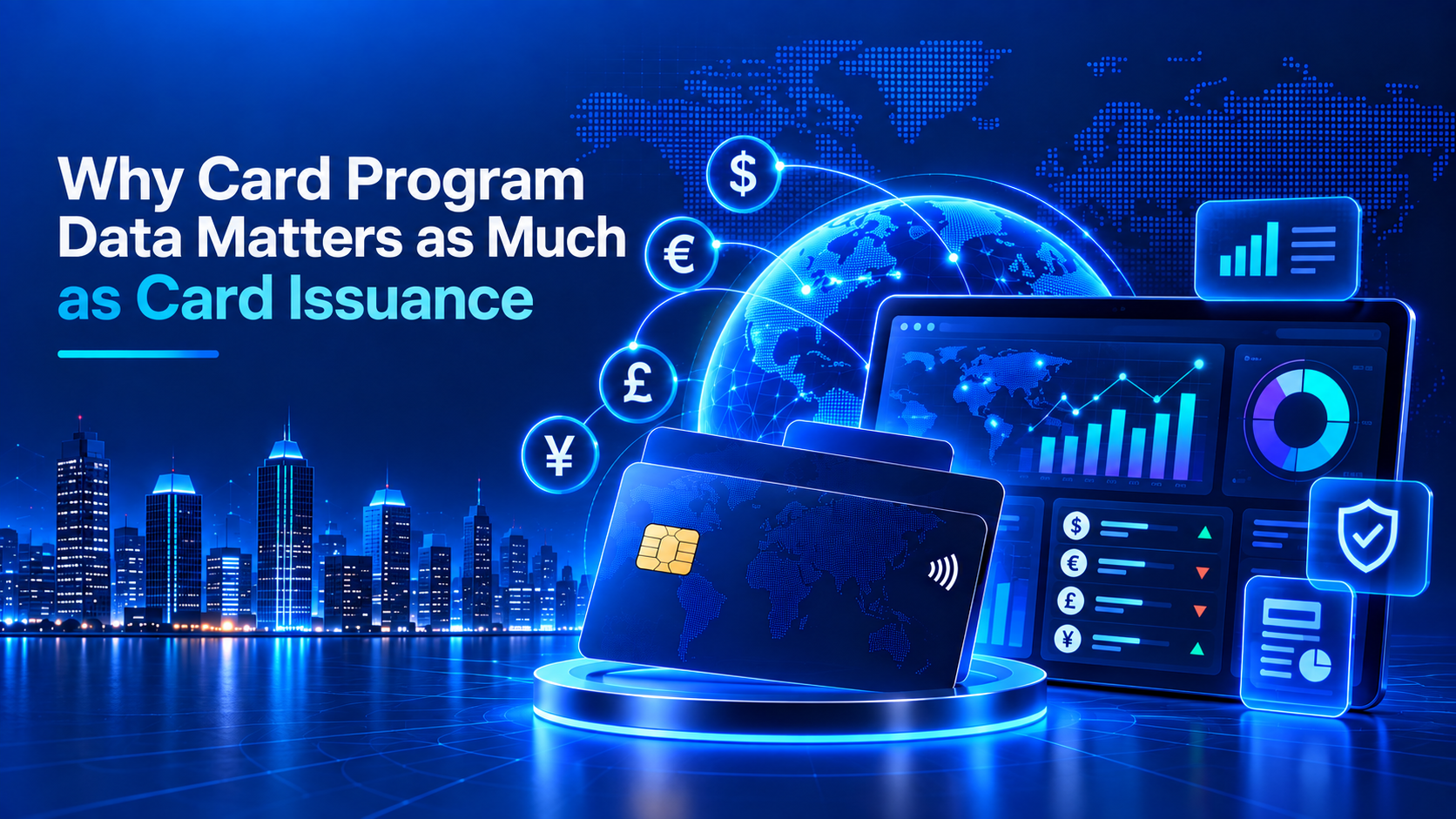
Digital card infrastructure can provide transaction data that helps businesses match spending with receipts, budgets, accounting records, and internal expense policies.
When transaction information is available in real time, reconciliation can become a continuous process rather than something that only happens at the end of the month.
This can help finance teams identify missing information and exceptions earlier.
How NetPay Supports Digital Expense Management
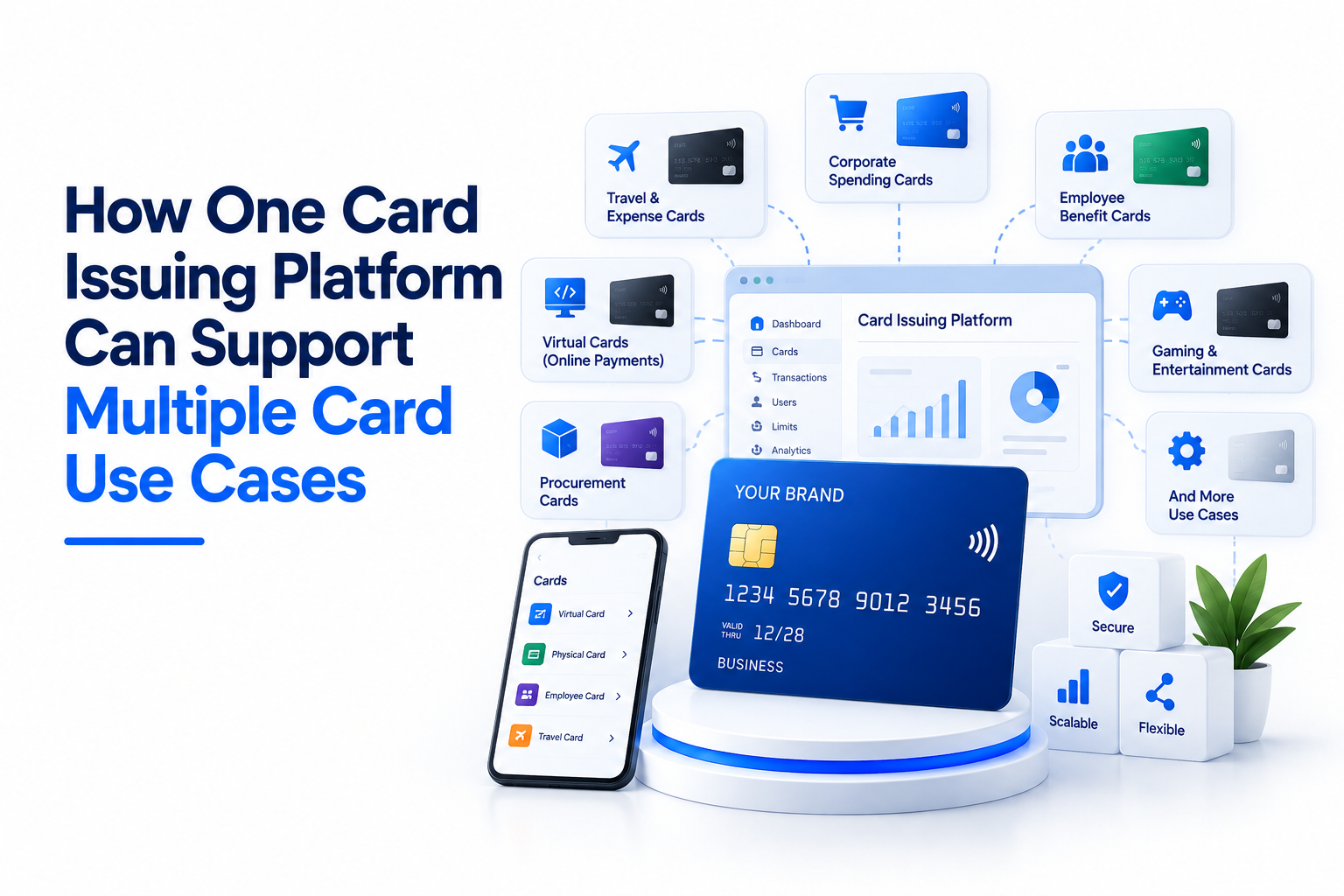
NetPay provides card issuing infrastructure that businesses can use to build and manage modern expense card programs.
Its capabilities include physical and virtual card issuing, spending controls, transaction monitoring, APIs, dashboards, webhooks, and reconciliation.
Businesses can use this infrastructure to create employee or team cards, define spending rules, monitor activity, and connect card transactions with their existing expense workflows.
For companies looking to build a scalable digital expense management solution, this type of connected infrastructure can provide both spending flexibility and financial control.
The Future of Business Expense Management
Digital cards are changing business expenses from a process that happens mostly after money is spent into a system that can be managed before, during, and after every transaction.
Businesses can define budgets before spending happens, apply controls during authorization, monitor transactions in real time, and connect the resulting data with their financial systems.
The result is a more connected expense workflow:
Issue → Control → Spend → Monitor → Reconcile
As companies become more distributed and international, this level of visibility and control is becoming increasingly important.
Digital cards are not simply replacing physical cards.
They are becoming part of a broader business expense management infrastructure designed to make company spending more controlled, visible, and easier to manage.
What are digital expense cards?
Digital expense cards are electronically issued payment cards that businesses can provide to employees or teams for controlled business spending. They can be managed digitally with budgets, spending limits, and transaction visibility.
How do digital cards help businesses control expenses?
Businesses can set budgets, spending limits, and merchant-category rules for individual cards or teams. This allows companies to control spending before transactions are completed.
Can digital cards be used for employee expenses?
Yes. Businesses can use digital cards for expenses such as travel, software subscriptions, advertising, supplier payments, and other approved operational costs.
Are digital expense cards useful for international businesses?
Yes. Digital cards can support employees and teams making payments across different countries and currencies, while giving finance teams centralized visibility into spending.
How does NetPay support digital expense management?
NetPay provides card issuing infrastructure with physical and virtual cards, spending controls, transaction monitoring, APIs, dashboards, webhooks, and reconciliation capabilities for modern business expense programs.

The NetPay247 team writes about card issuing, Virtual IBANs, cross-border payments and building products on embedded finance infrastructure.
Leave a reply
Your email address will not be published. Required fields are marked *