
Short answer
Learn how fintech platforms can build scalable card operations with NetPay, using APIs, card management, spending controls, reconciliation, security, and flexible infrastructure.
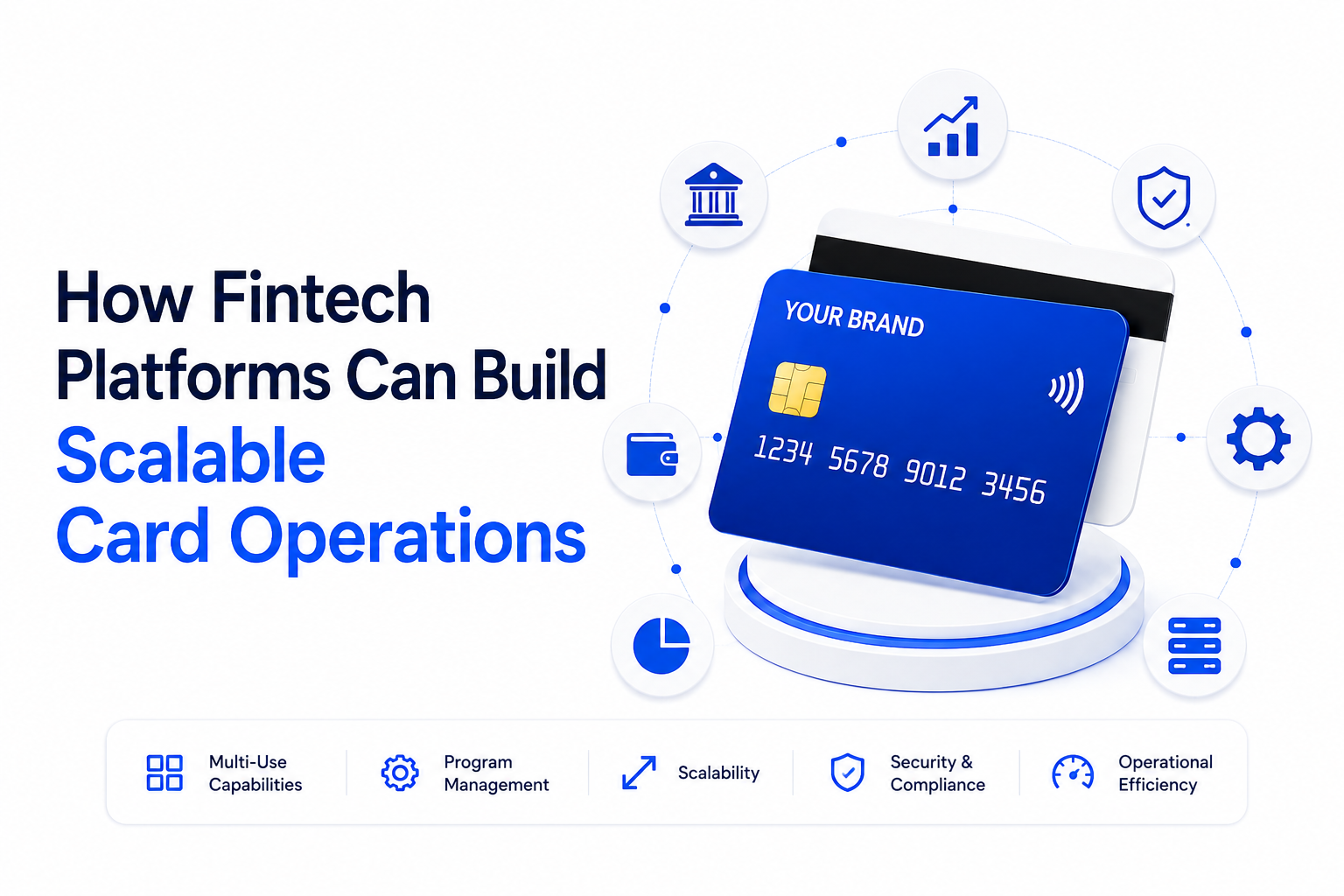
As fintech platforms grow, managing a card program can become increasingly complex. Issuing cards is only one part of the process. Businesses also need to manage cardholders, transactions, balances, spending controls, reporting, reconciliation, security, and compliance. For this reason, fintech companies need scalable card operations that can support growing customer numbers without creating unnecessary manual work or disconnected systems. With the right card issuing infrastructure, fintech businesses can build a more connected approach to card management while preparing their payment operations for future growth.
Start With the Right Card Infrastructure
A scalable card operation starts with a strong technology foundation. Fintech platforms should look for infrastructure that supports both physical and virtual cards, along with the tools required to manage them after issuance. NetPay provides card issuing infrastructure for businesses looking to launch physical and virtual card programs through Visa and Mastercard networks. Its infrastructure also includes API access, dashboard functionality, reconciliation, and white-label support. Choosing a connected infrastructure from the beginning can help fintech platforms avoid unnecessary operational complexity as their card programs expand.
Use APIs to Automate Card Operations
Manual card management can become challenging when the number of customers and transactions increases. This is where a card issuing API can play an important role. NetPay's API capabilities include card creation and issuance, activation and blocking, balance checks, transaction history, webhook notifications, spending limits, and reconciliation. By connecting these functions with their own applications and platforms, fintech businesses can reduce repetitive processes and create more efficient workflows. For example, instead of managing every card activity manually through a separate system, businesses can integrate selected card functions directly into their own customer or operational platforms.
Centralize Cardholder Management
As a card program grows, maintaining visibility across cardholders becomes increasingly important. A centralized management environment can help teams monitor card status, users, transactions, loads, and spending activity from one place. NetPay card infrastructure includes dashboard features such as card overview and status, cardholder management, transaction monitoring, load history, spending reports, user management, and reconciliation reports. This type of visibility can make day-to-day card operations easier to manage and help teams respond more efficiently to operational issues.
Build Strong Spending Controls
Scaling a card program also means maintaining control over how cards are used. Different customers, employees, or business users may have different spending requirements. Modern card infrastructure can provide controls that allow businesses to manage card usage according to their specific needs. NetPay supports card controls including freeze, unfreeze, cancellation, and spending limits. These features can help fintech platforms create more structured spending policies while maintaining greater oversight of payment activity
Make Reconciliation Part of the Infrastructure
As transaction volumes increase, reconciliation can become time-consuming when payment information is handled manually. Integrating reconciliation into the card infrastructure can help businesses organize transaction data and maintain better financial visibility. NetPay provides reconciliation functionality through its API and dashboard environment, along with reconciliation reports. For fintech platforms managing a growing card portfolio, this can help create a more organized approach to financial and payment operations.
Prioritize Security and Compliance
Growth should never come at the expense of security and compliance. A reliable card infrastructure should include processes for KYB/KYC, transaction monitoring, suspicious activity detection, card blocking, and other risk controls. NetPay's compliance and security framework includes KYB/KYC onboarding, real-time transaction monitoring, suspicious activity detection, card blocking, transaction holds, loading reviews, and dispute-handling coordination. However, fintech businesses should clearly understand their own regulatory responsibilities and ensure their card program follows the requirements applicable to their business model and markets.
Support Different Fintech Use Cases
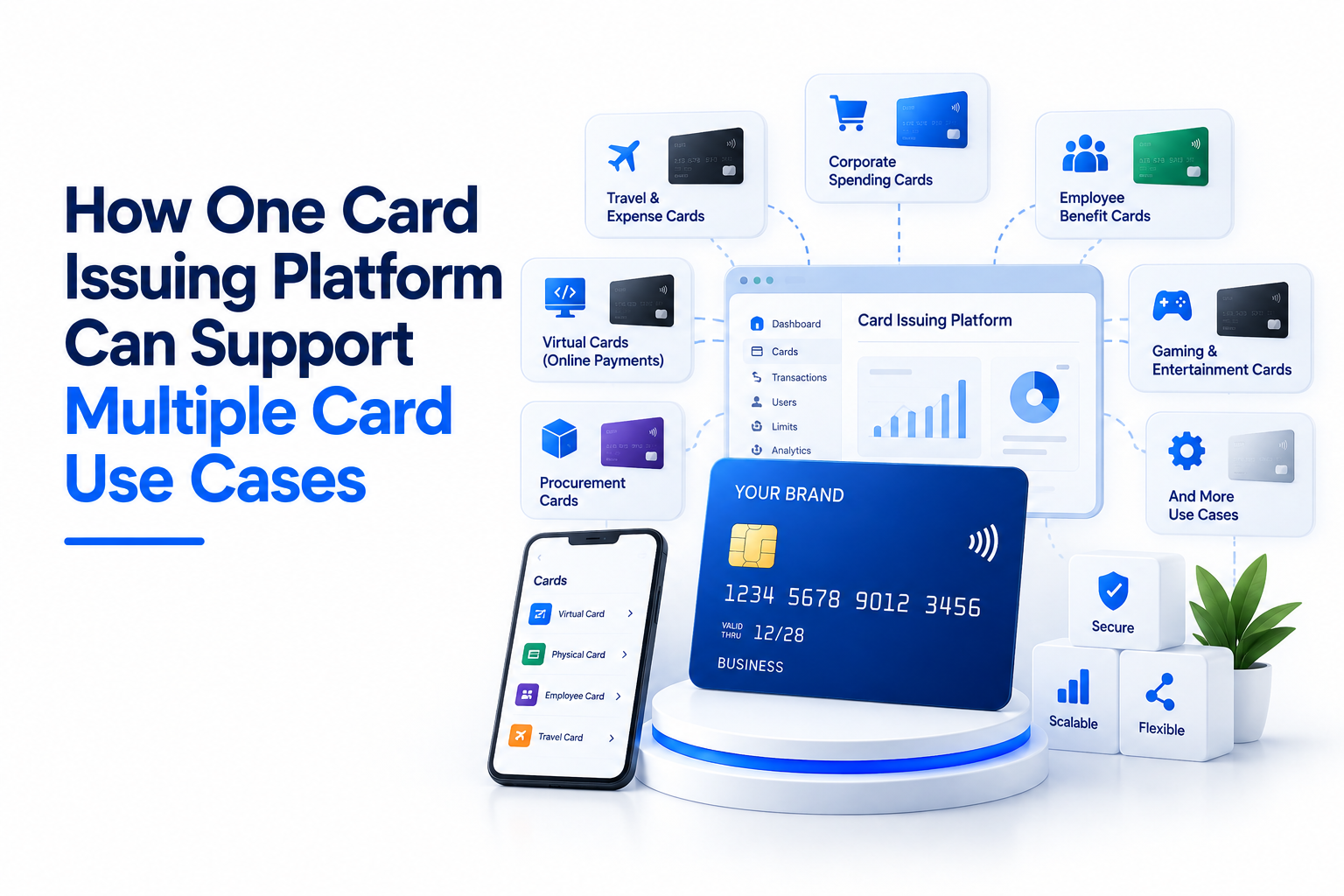
Scalable card infrastructure should also be flexible enough to support different business models. Fintech card programs can be used for corporate cards, platform payouts, brokerage cards, advertising spend, white-label programs, and neobank card products. This flexibility allows businesses to develop card programs around their specific customers and use cases rather than relying on a single approach.
Build a Branded Card Experience
For many fintech platforms, a card is also part of the company's customer experience. White-label card infrastructure can allow businesses to offer cards under their own branding. NetPay supports custom branding and co-branded programs, with custom artwork and personalization available subject to Visa and Mastercard network approval. This can help fintech businesses create a more consistent experience across their digital platform and physical or virtual payment products.
Final Thoughts
Building scalable card operations requires more than simply issuing payment cards. Fintech platforms need API connectivity, card management, spending controls, reconciliation, reporting, security, compliance, and infrastructure that can support future growth. NetPay card issuing infrastructure brings these capabilities together through physical and virtual card issuing, API access, dashboard tools, card controls, reconciliation, transaction monitoring, and white-label support. For fintech platforms planning to launch or expand a card program, selecting the right infrastructure early can create a stronger foundation for efficient operations and long-term growth.
What are scalable card operations?
Scalable card operations are systems and processes designed to help businesses efficiently manage increasing numbers of cards, cardholders, transactions, and payment activities.
How can NetPay help fintech platforms build scalable card operations?
NetPay provides physical and virtual card issuing infrastructure with API access, dashboard tools, card controls, reconciliation, transaction monitoring, and white-label capabilities.
Why are APIs important for fintech card operations?
APIs can connect card issuing functionality with a fintech platform's existing systems and support functions such as card issuance, activation, transaction history, spending limits, notifications, and reconciliation.
What features should fintech businesses look for in card infrastructure?
Businesses should consider card issuing, API integration, cardholder management, spending controls, transaction monitoring, reporting, reconciliation, security, and scalability.
Can NetPay support both physical and virtual cards?
Yes. NetPay's card infrastructure supports physical and virtual cards across Visa and Mastercard networks.

The NetPay247 team writes about card issuing, Virtual IBANs, cross-border payments and building products on embedded finance infrastructure.


Leave a reply
Your email address will not be published. Required fields are marked *