
Short answer
Discover how payment cards can become part of a broader fintech ecosystem through APIs, digital platforms, card management, reporting, security, and scalable infrastructure.
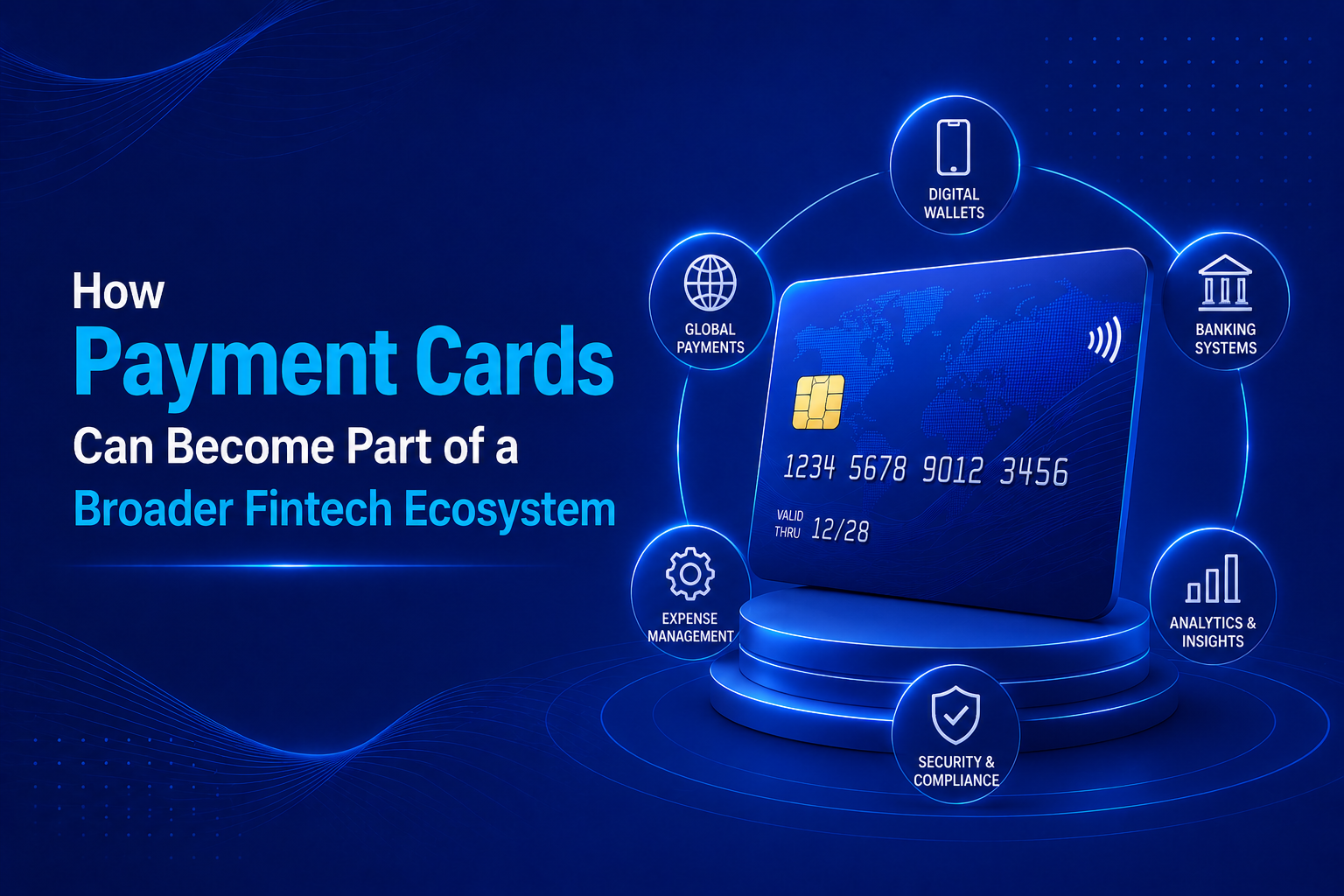
Payment cards are no longer limited to simple transactions. As fintech continues to evolve, cards are becoming part of broader financial ecosystems that connect payments, digital platforms, customer experiences, reporting, and operational tools.
For fintech companies, brokerages, marketplaces, neobanks, and digital businesses, a well-designed card program can become an important part of the overall financial infrastructure rather than functioning as a standalone product.
From Payment Card to Fintech Ecosystem
A modern fintech ecosystem usually consists of multiple connected services. These can include digital accounts, payment processing, card programs, transaction management, reporting, compliance tools, and APIs.
Payment cards can act as one of the customer-facing components that connects these services.
For example, a business could provide customers with a branded physical or virtual card while managing card balances, transactions, spending controls, and reporting through its underlying infrastructure. NetPay's card issuing infrastructure supports physical and virtual cards on Visa and Mastercard networks, along with API access, dashboards, reconciliation, and white-label capabilities.
This creates an opportunity for businesses to make cards part of a much larger digital financial experience.
Connecting Cards With Digital Platforms
One of the biggest advantages of modern card infrastructure is the ability to connect cards with existing technology.
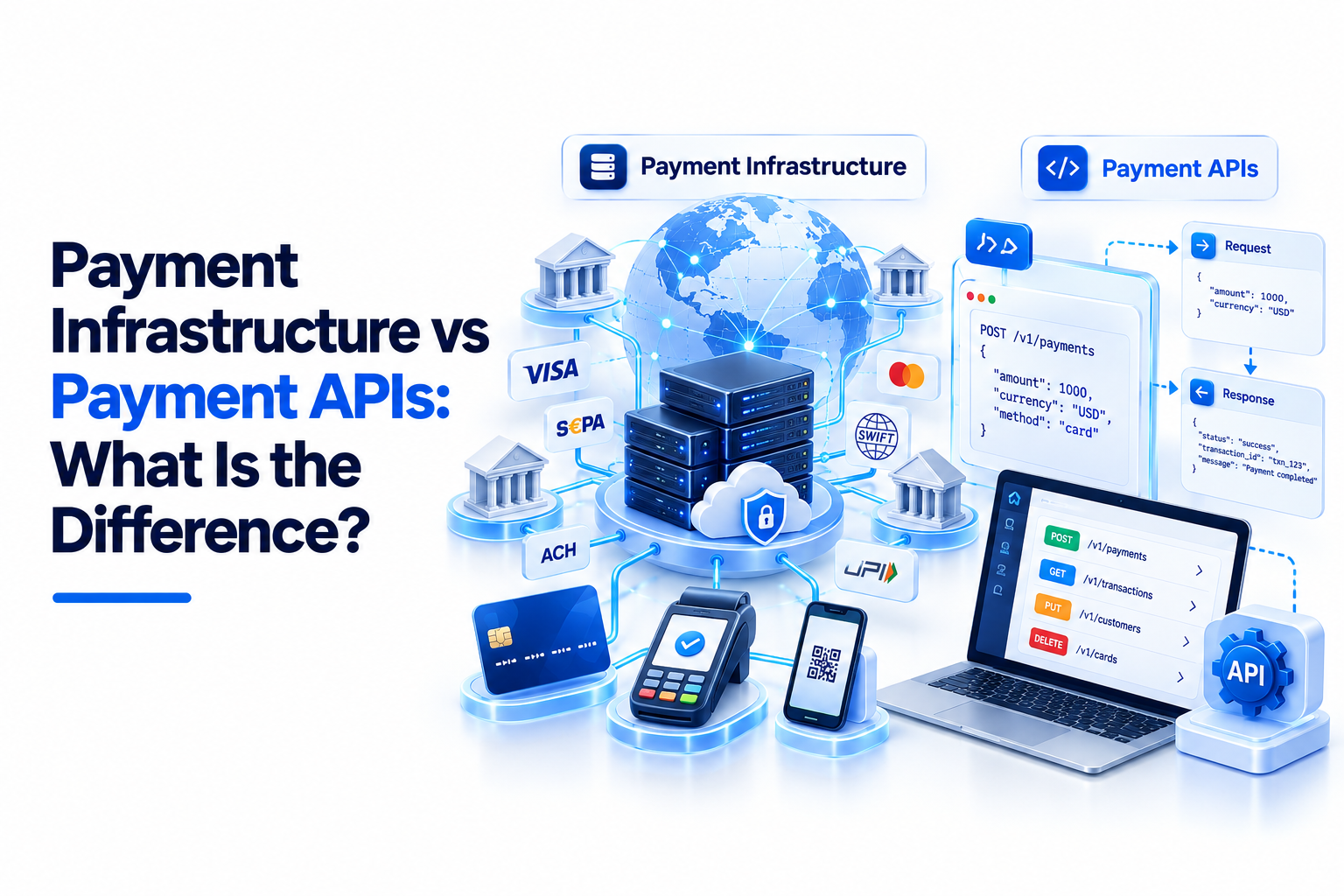
APIs can allow businesses to integrate card functionality directly into their own platforms. Depending on the infrastructure, this can include card creation, activation, blocking, balance checks, transaction history, spending limits, notifications, and reconciliation.
Instead of making users move between different systems, businesses can bring card-related functionality into their own applications or platforms.
This can create a more consistent and convenient customer experience.
Cards as Part of a Broader Business Model
Different fintech businesses can use cards in different ways.
A marketplace may use payment cards to support vendor or platform payouts. A brokerage may introduce cards as an additional service for its clients. A company could provide corporate cards for employee expenses, while an advertising-focused business may use virtual cards for digital spending.
NetPay identifies several card use cases, including corporate cards, platform payout cards, brokerage cards, advertising spend cards, white-label programs, and neobank cards.
This flexibility allows the card program to be designed around the business model rather than treating every card as the same product.
Creating a Branded Financial Experience
A card can also become an extension of a company's brand.
White-label card programs allow businesses to offer payment cards under their own branding rather than presenting the card as a separate third-party product. Custom artwork, branding, and personalization can be incorporated into card programs, subject to Visa or Mastercard approval.
For fintech companies, this can make the card feel like a natural part of the platform's existing ecosystem.
The customer may interact with the same brand across their digital account, application, card, transaction history, and other financial services.
Using Data to Improve Financial Visibility
Cards also generate valuable transaction information.
A connected card infrastructure can provide businesses with access to transaction history, spending reports, load history, cardholder information, and reconciliation reports.
When this information is integrated into a broader fintech platform, businesses can gain a clearer view of payment activity.
For customers, this may mean better visibility into their spending. For businesses, it can support operational monitoring, reporting, and financial management.
Adding Controls and Security
A broader fintech ecosystem also needs appropriate controls.
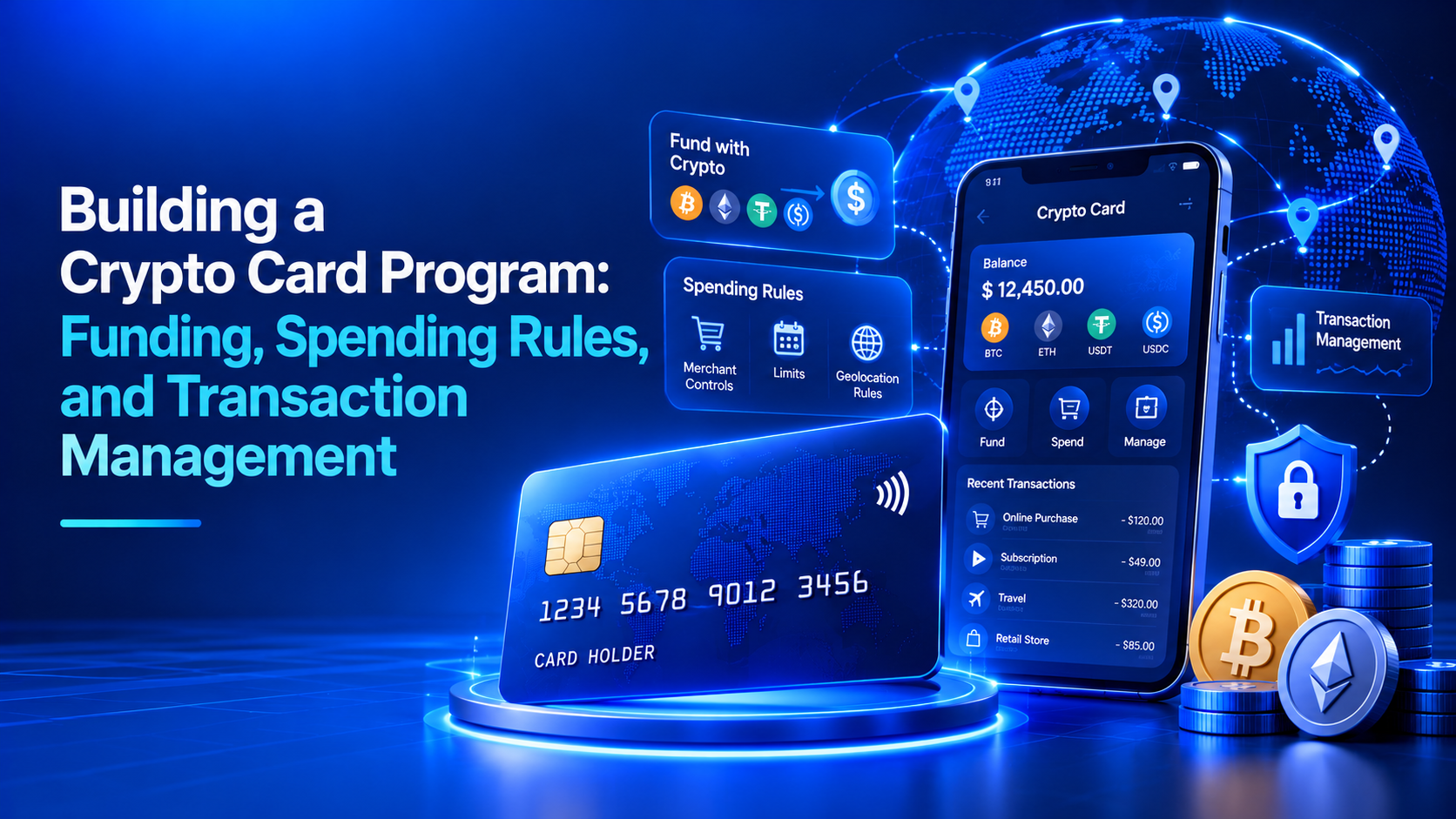
Card infrastructure can include functions such as freezing and unfreezing cards, cancellation, spending limits, transaction monitoring, and risk controls.
These features can help businesses manage how cards are used while providing additional tools for monitoring payment activity.
NetPay's infrastructure also includes fraud monitoring, suspicious activity detection, transaction holds, loading reviews, and dispute-handling coordination.
The exact controls available will depend on the issuing setup, business model, and applicable compliance requirements.
Supporting Multiple Financial Services
The real value of card infrastructure becomes more apparent when cards are connected to other financial services.
A fintech platform might combine cards with digital balances, payment processing, payouts, transaction reporting, and other financial tools. The card then becomes one component of a connected ecosystem rather than an isolated payment product.
This approach can also make it easier for businesses to introduce additional services over time without completely redesigning their technology infrastructure.
The Future of Cards in Fintech
Payment cards are increasingly becoming part of a wider digital financial experience. Their value is not simply in enabling transactions but in how effectively they connect with the rest of a fintech platform.
When card issuing is combined with APIs, card management, reporting, reconciliation, spending controls, security, and branded experiences, businesses can create a more connected payment ecosystem.
For fintech companies looking to expand their financial offerings, the right card infrastructure can provide an important building block for developing new products and improving existing customer experiences.
Final Thoughts
A payment card does not have to be a standalone product. With the right infrastructure, it can become an integrated part of a broader fintech ecosystem.
From corporate spending and marketplace payouts to brokerage services, advertising payments, white-label card programs, and neobank products, cards can support a wide range of financial use cases.
The key is building the right technology foundation around the card. APIs, card management, reporting, reconciliation, security, controls, and scalability can help turn a simple card program into a more connected financial solution.
Frequently Asked Questions
How do payment cards fit into a fintech ecosystem?
Payment cards can connect with digital platforms, payment systems, transaction management, reporting, and other financial services to create a more integrated customer experience.
Can fintech companies offer branded payment cards?
Yes. White-label card infrastructure can allow businesses to offer cards using their own branding and personalization, subject to applicable network approval.
Why are APIs important for fintech card programs?
APIs allow businesses to connect card functions with their existing applications and systems, supporting activities such as card issuance, balance checks, transaction history, and spending controls.
What types of businesses can use fintech card infrastructure?
Card programs can support businesses such as fintech platforms, brokerages, marketplaces, neobanks, and companies managing corporate or advertising expenses.
How can card infrastructure support business growth?
Scalable infrastructure can help businesses manage increasing card volumes, transactions, users, and operational requirements as their payment programs expand.

The NetPay247 team writes about card issuing, Virtual IBANs, cross-border payments and building products on embedded finance infrastructure.

Leave a reply
Your email address will not be published. Required fields are marked *