
Short answer
Discover how API integration improves modern card management through automation, real-time data, spending controls, reconciliation, and scalable card infrastructure.
Modern card programs need more than the ability to issue physical or virtual cards. As businesses manage larger numbers of cardholders, transactions, balances, and spending controls, they need technology that can connect different parts of the payment operation efficiently. This is where API integration in card management becomes important. An API (Application Programming Interface) allows different software systems to communicate with each other, helping businesses connect their card issuing infrastructure with existing platforms, applications, dashboards, and financial systems. For fintech companies, marketplaces, brokers, neobanks, and other digital businesses, API-based card infrastructure can make card operations easier to manage, more connected, and more scalable.
What Is API Integration in Card Management?
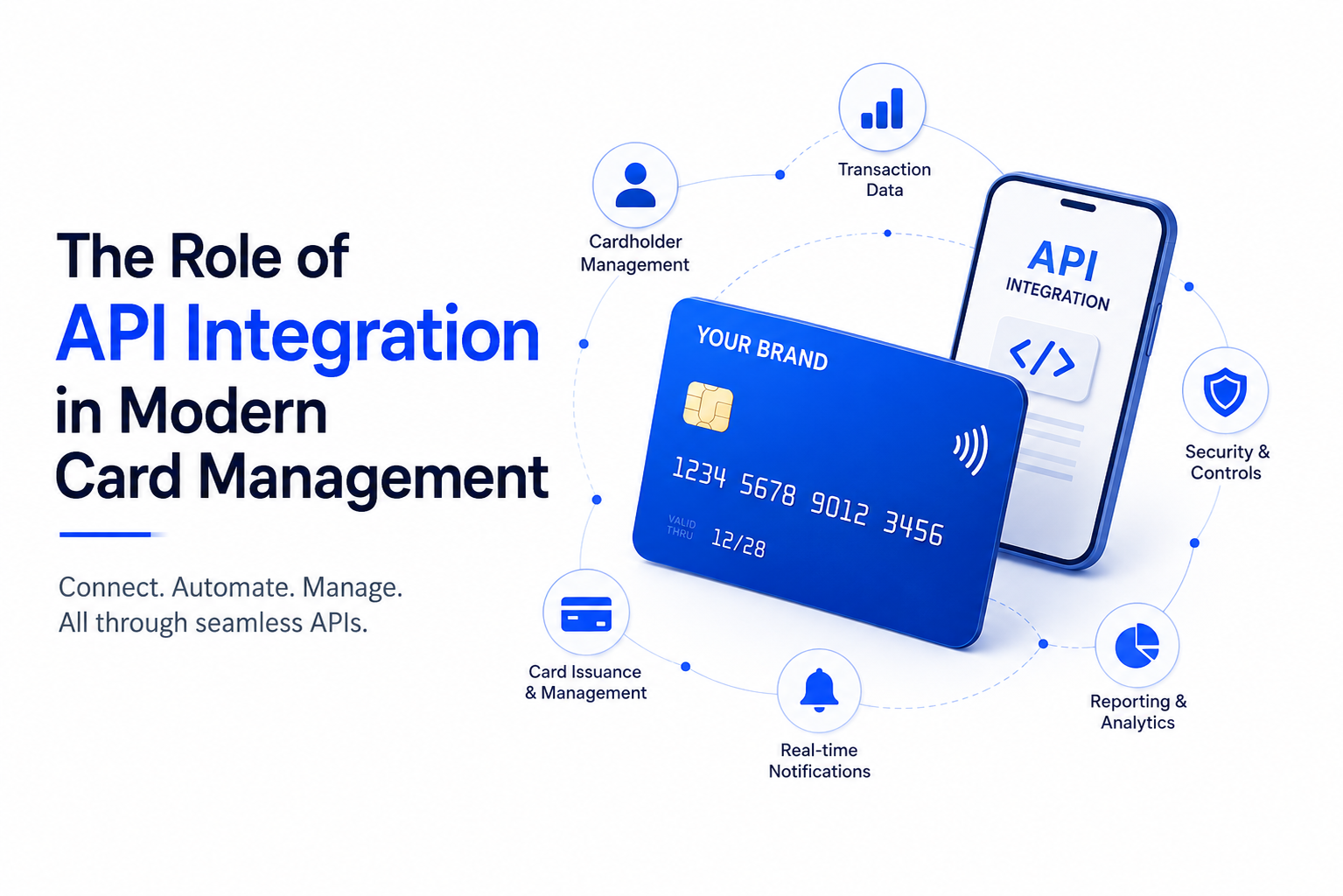
An API allows different software systems to exchange information and communicate with one another. In a card management environment, a card management API can connect a business's platform with its card issuing infrastructure. Depending on the provider, this can allow businesses to perform tasks such as creating cards, activating or blocking cards, checking balances, reviewing transactions, applying spending limits, and receiving transaction notifications. The NetPay card issuing API supports capabilities including card creation and issuance, activation and blocking, balance checks, transaction history, webhook notifications, spending limits, and reconciliation. This type of connectivity can help businesses build card management functions directly into their existing technology environment.
Why API Integration Matters for Modern Card Programs
1. Faster Card Management
Manual card management can become difficult as the number of users increases. A card management API allows businesses to connect card functions directly to their own systems. Instead of switching between multiple platforms for routine tasks, businesses can integrate card management functionality into their existing applications or workflows. This can make operations more efficient while creating a smoother experience for both internal teams and cardholders.
2. Real-Time Access to Card Information
Modern payment users expect quick access to financial information. Through payment API integration, businesses can connect card-related information such as balances and transaction history with their own applications or internal systems. Webhook notifications can also help connected applications receive relevant transaction events. For a fintech platform, this can provide better visibility into card activity and help teams respond to payment-related events more efficiently.
3. Better Spending Controls
Spending management is an important part of running a card program. With an API-based card infrastructure, businesses can integrate spending controls into their own platforms. Depending on the issuing setup, businesses may be able to manage functions such as card activation, blocking, and spending limits. NetPay's supported card features include freeze, unfreeze, cancellation, and spending limits. This can give businesses greater control over how cards are used while keeping important card management functions connected to their broader technology stack.
4. Easier Reconciliation
Reconciliation can become increasingly complex when a business manages a large number of cards and transactions. A card issuing API can help connect card transaction data with internal financial systems, allowing businesses to organize and reconcile payment activity more efficiently. NetPay includes reconciliation capabilities within its API and dashboard infrastructure, along with reconciliation reports and transaction-related information. For growing fintech businesses, connecting card activity with financial workflows can help reduce disconnected processes and improve operational visibility.
5. A Better Customer Experience
The technology behind a card program can directly influence the customer experience. Cardholders may expect to see transaction information, balances, card status, or spending activity within the business's own application or platform. A card management platform supported by API integration can help businesses connect these card functions with their branded digital experience instead of requiring customers to rely on disconnected systems. This can be particularly useful for businesses offering white-label or branded card programs. NetPay supports custom branding and co-branded card programs.
API Integration and Scalability
One of the biggest advantages of API-based card infrastructure is its potential to support growing operations. A business may initially manage a relatively small card program. As the customer base grows, however, the number of cards, transactions, users, and operational processes can increase significantly. A connected card issuing infrastructure can help businesses integrate card functions into their existing technology stack rather than relying entirely on manual processes.
What Should Businesses Look for in a Card Management API?
Before choosing an API-based card issuing provider, businesses should evaluate the capabilities available through the card management API. Important areas to consider include: Card creation and issuance Card activation and blocking Balance information Transaction history Webhook notifications Spending limits Reconciliation Cardholder management Transaction monitoring Reporting and analytics These capabilities can help businesses build a more connected card management platform. NetPay's specifically lists these API and dashboard functions as part of its card infrastructure. Businesses should also consider whether the API can integrate smoothly with their existing technology, whether the infrastructure can support future growth, and what operational and compliance responsibilities remain with the business.
Final Thoughts
API integration in card management allows businesses to connect card issuing capabilities with their existing technology and create more efficient workflows. From card issuance and transaction monitoring to spending controls, reporting, and reconciliation, a well-designed card management API can help businesses manage more of their card operations through connected systems. For fintech companies planning to launch or scale a card program, choosing the right card issuing API and API-based card infrastructure can provide the flexibility needed to build a smoother, more efficient, and scalable payment experience. With the right card management platform, businesses can connect card functionality with the rest of their technology ecosystem and create infrastructure that is better prepared for future growth.
What is API integration in card management?
API integration connects card management systems with a business's existing applications and technology infrastructure.
What can a card management API do?
Depending on the provider, APIs can support card issuance, activation, blocking, balance checks, transaction history, spending limits, notifications, and reconciliation.
How does API integration improve card management?
It can reduce manual processes, connect different systems, improve data access, and make card operations easier to manage.
Is API integration useful for fintech businesses?
Yes. It can help fintech businesses integrate card functionality into their own platforms and customer experiences.
Can APIs help businesses manage spending limits?
Yes, where supported by the card infrastructure, APIs can be used to integrate spending controls into business systems.

The NetPay247 team writes about card issuing, Virtual IBANs, cross-border payments and building products on embedded finance infrastructure.


Leave a reply
Your email address will not be published. Required fields are marked *