

Short answer
Discover how crypto platforms can improve global payment experiences with multi-currency support, flexible payments, API infrastructure, and secure payment systems.
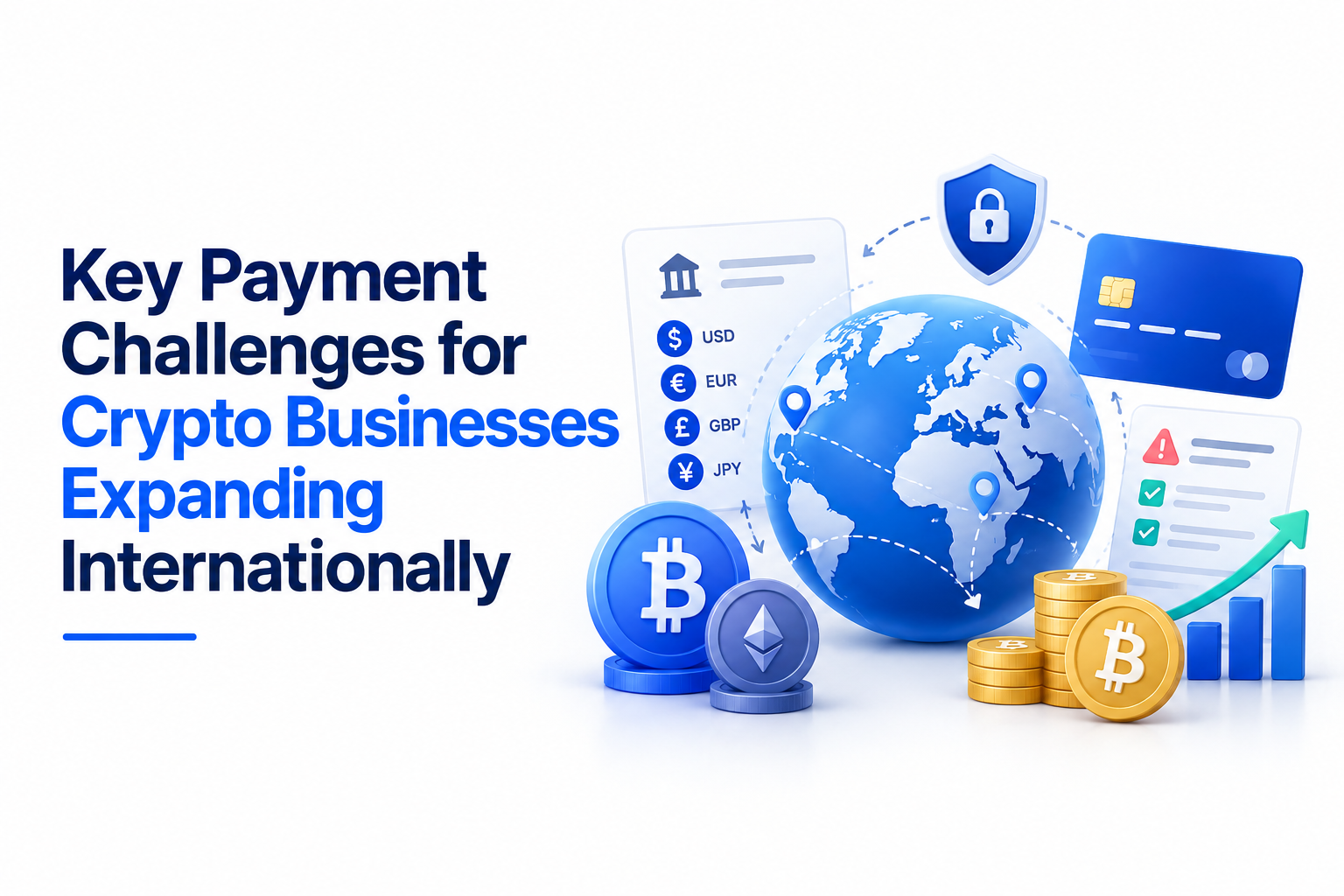
Crypto platforms have changed how people interact with digital assets, but the payment experience around crypto can still be complicated. Users may need to move between crypto wallets, bank accounts, cards, exchanges, and different currencies before completing a transaction. For platforms serving users across multiple countries, creating a smooth payment experience is not only about supporting crypto transactions. It also requires reliable payment infrastructure, efficient settlement, currency support, compliance processes, and easy-to-use payment options. As the crypto industry continues to develop, platforms that simplify these processes can create a more connected experience for their users.
What Makes Crypto Payments Different?
Traditional payment systems generally operate through established banking and card networks. Crypto platforms may need to support both digital assets and traditional currencies within the same user journey. A user might want to: Add funds using a card or bank transfer Convert between crypto and fiat currencies Withdraw funds to a bank account Spend digital assets through a card Receive or send payments internationally Each step can involve different systems and providers. This makes the underlying crypto payment infrastructure an important part of the overall user experience.
1. Connect Crypto and Traditional Payments
One of the biggest challenges for crypto platforms is creating a smooth connection between digital assets and traditional financial systems. Users may not want to think about which payment rail is being used or how a settlement is processed. They simply want to move money from one place to another with clear information about the transaction. Platforms can improve the experience by connecting crypto-related services with appropriate fiat payment methods, accounts, cards, and payout infrastructure. This creates a more unified payment journey instead of forcing users to manage multiple disconnected services.
2. Support Multiple Currencies
Global crypto platforms may serve users who operate with different local currencies. A user in Europe may prefer EUR, while another user may work primarily with USD or GBP. Businesses and international users may also need to receive or make payments in multiple currencies. Supporting multi-currency payments can make international transactions more convenient and reduce unnecessary friction. However, supporting multiple currencies also requires infrastructure capable of handling currency conversion, balances, settlements, and transaction reporting.
3. Make Deposits and Withdrawals Easier
Deposits and withdrawals are critical moments in the crypto user journey. A complicated deposit process can make it difficult for new users to fund their accounts. Similarly, unclear or slow withdrawal processes can create frustration. Crypto platforms can improve this experience by offering clearly structured payment options and showing important information such as: Transaction status Supported currencies Fees Processing stages Expected settlement information The goal is to make the payment process easier to understand while keeping the underlying infrastructure reliable.
4. Offer Flexible Payment Options
Different users have different payment preferences. Some may prefer bank transfers, while others may use cards or digital payment methods. Businesses may also require virtual accounts, international payouts, or corporate payment solutions. Providing multiple payment options can help crypto platforms serve a wider range of users and use cases. For example, card infrastructure can allow eligible platforms to offer branded or program-based cards, while account and payment infrastructure can support receiving, holding, and transferring funds.
5. Build With API-Based Payment Infrastructure
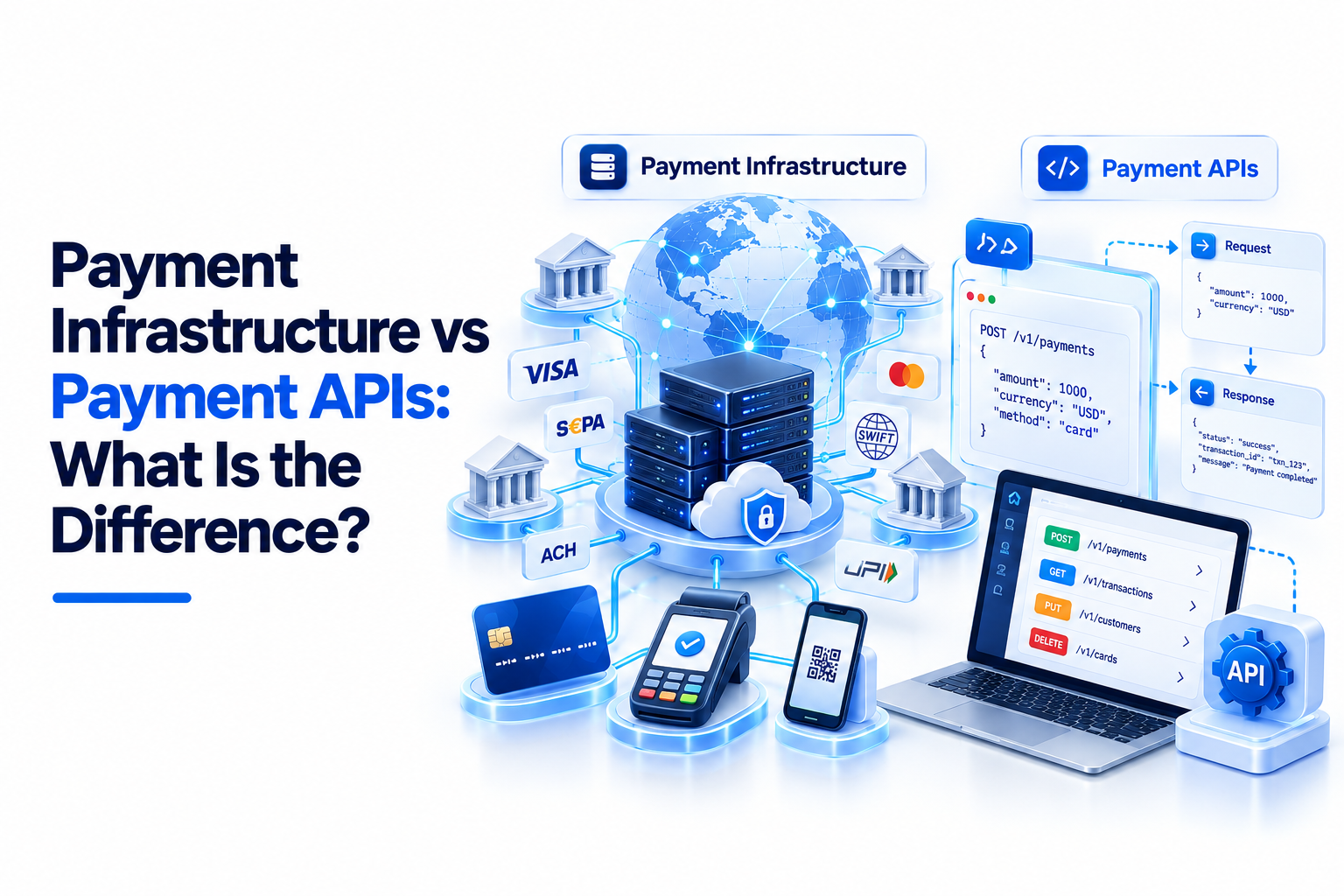
As crypto platforms grow, managing different payment providers and financial systems separately can become difficult. API-based infrastructure can help connect payment capabilities directly into a platform's existing systems. This can allow businesses to integrate functions related to: Card programs Payment accounts Transfers Payouts Transaction data Currency management Instead of building every financial component from the ground up, platforms can use infrastructure that connects these capabilities through technology.
How NetPay Can Support Crypto Payment Infrastructure
NetPay provides payment infrastructure for businesses operating across different financial use cases, including crypto-related platforms. Its infrastructure includes areas such as card programs, virtual IBANs, multi-currency accounts, payment services, payouts, and API-based integrations. For crypto businesses, these capabilities can help create connections between digital-asset platforms and traditional payment experiences, depending on the platform's business model and applicable requirements. For example, a crypto platform may need payment infrastructure for fiat accounts, card programs, international payments, or settlement operations. Connecting these capabilities through a structured infrastructure layer can help businesses build a more unified payment experience. NetPay's focus on digital payment infrastructure allows businesses to explore these capabilities without treating cards, accounts, and payments as completely separate systems.
Final Thoughts
Global crypto platforms need more than crypto transaction capabilities. They need payment infrastructure that can connect digital assets with cards, accounts, currencies, transfers, and other financial services. By supporting multiple currencies, simplifying deposits and withdrawals, providing flexible payment options, maintaining appropriate compliance processes, and using API-based infrastructure, crypto platforms can create a more connected experience for their global users. As the crypto ecosystem continues to evolve, NetPay can serve as part of the payment infrastructure layer for businesses looking to build modern card, account, payment, and payout experiences.
What is crypto payment infrastructure?
Crypto payment infrastructure refers to the technology and financial systems that help crypto platforms manage payments, accounts, cards, transfers, settlements, and connections between crypto and traditional currencies.
Why is payment infrastructure important for crypto platforms?
It can help crypto platforms manage deposits, withdrawals, currency conversion, payouts, card programs, and other financial operations through a more connected system.
How can crypto platforms improve the user payment experience?
Platforms can simplify deposits and withdrawals, support relevant payment methods and currencies, provide clear transaction information, and build reliable payment infrastructure behind the user interface.
What role do multi-currency payments play in crypto platforms?
Multi-currency support can help global users transact in currencies they already use while helping platforms manage international payment operations.
How can NetPay help crypto businesses?
NetPay provides payment infrastructure covering areas such as cards, virtual IBANs, multi-currency accounts, payments, payouts, and API-based integrations for eligible businesses.

The NetPay247 team writes about card issuing, Virtual IBANs, cross-border payments and building products on embedded finance infrastructure.

Leave a reply
Your email address will not be published. Required fields are marked *