
Short answer
Understand the difference between card issuing and running a card program, including card management, APIs, controls, monitoring, compliance, and NetPay infrastructure.
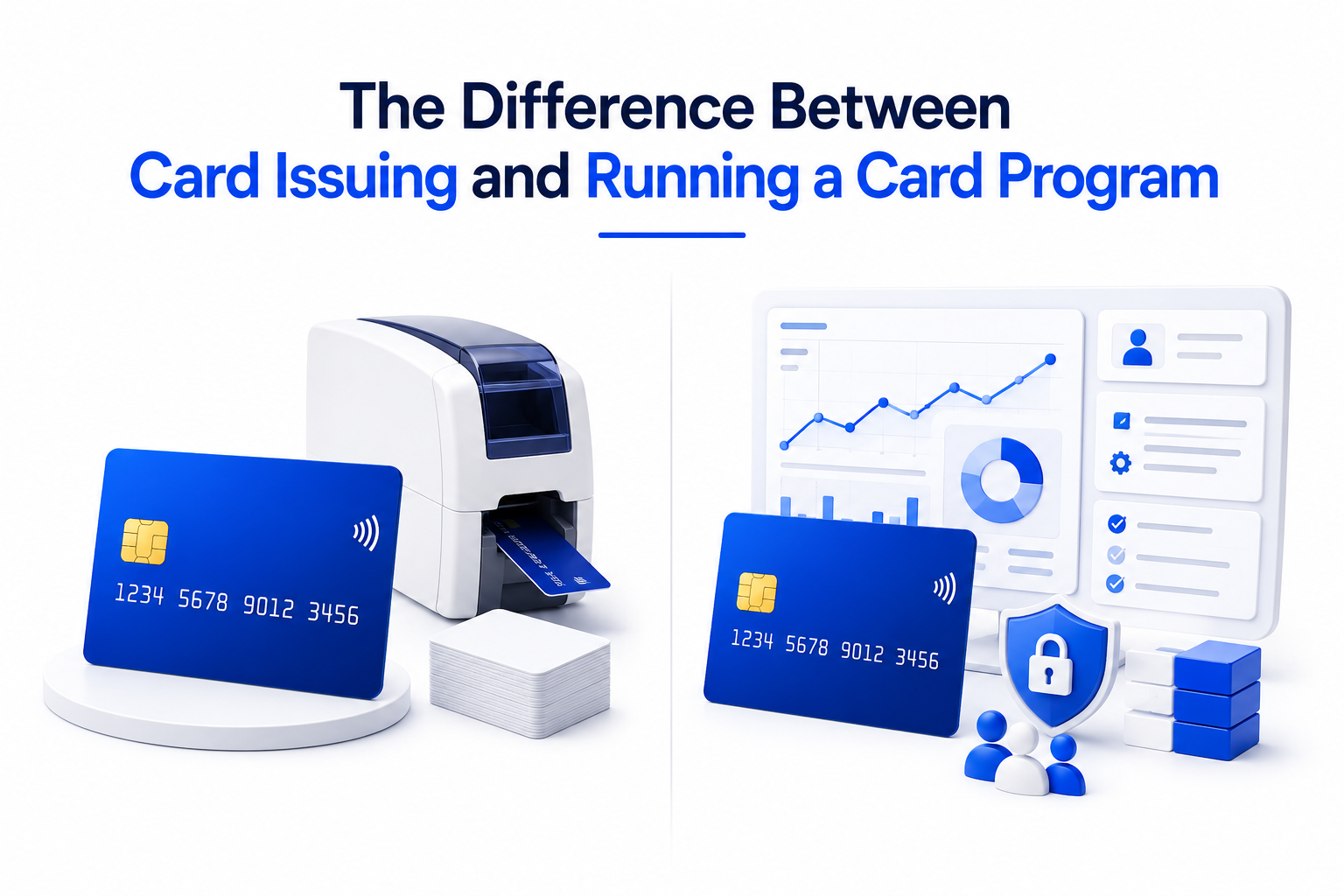
Launching a payment card may look simple from the outside: a business provides a physical or virtual card, and customers use it for payments. But behind that card is a much larger operational system. There is an important difference between card issuing and running a card program. Card issuing focuses on getting cards created and delivered, while running a card program involves managing those cards, users, transactions, controls, reporting, compliance processes, and ongoing operations. For businesses entering the fintech and payments space, understanding this difference is important when choosing the right card issuing infrastructure.
What Is Card Issuing?
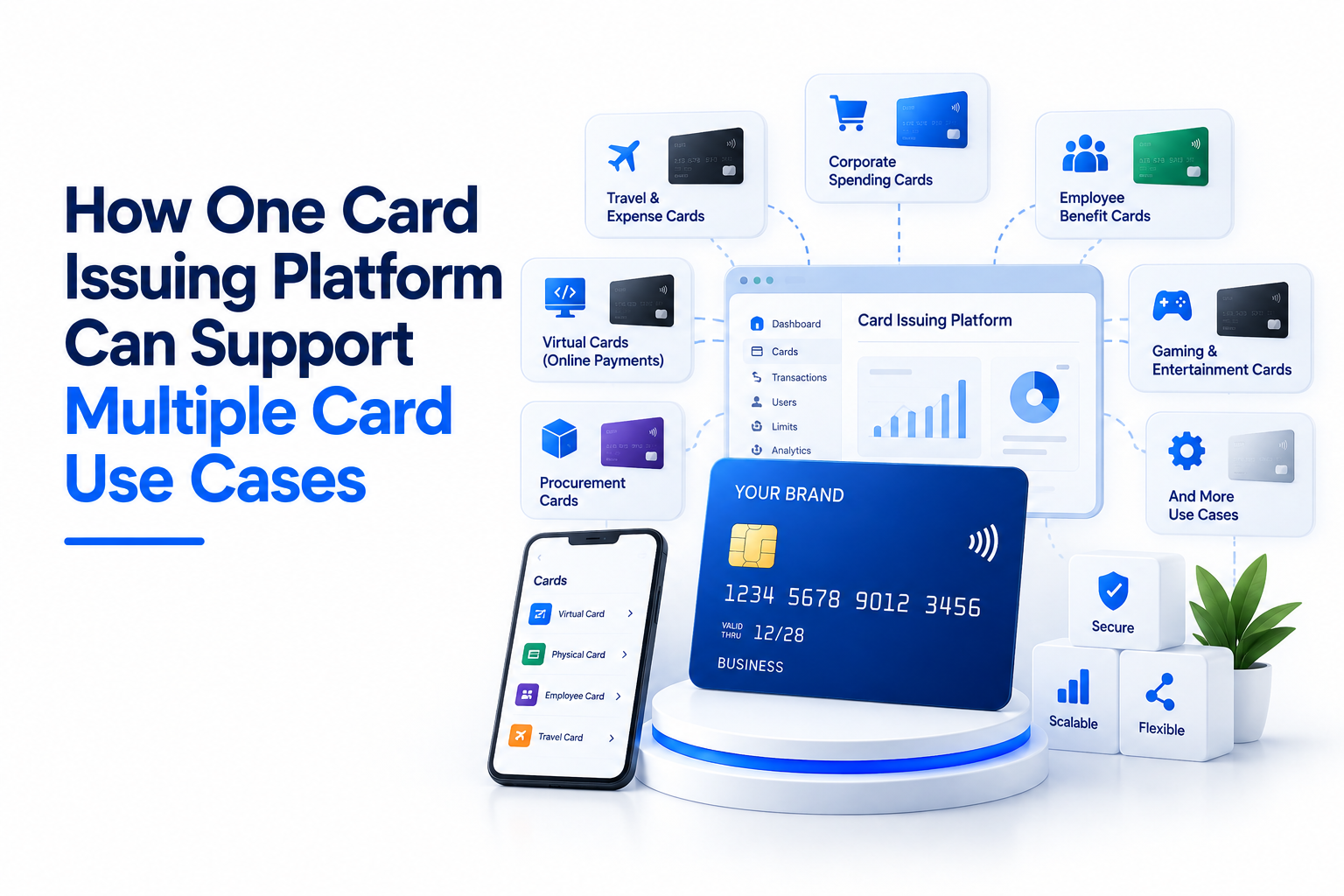
Card issuing is the process of creating and providing payment cards through the relevant issuing infrastructure and card network. A business may offer: Physical cards Virtual cards Branded cards Corporate cards Payout cards Customer cards NetPay provides physical and virtual card issuing infrastructure through Visa and Mastercard, with physical cards supporting EMV chip and NFC contactless functionality and virtual cards supporting instant issuance and online payments. However, issuing a card is only one part of operating a complete card program.
What Does Running a Card Program Mean?
Running a card program means managing everything that happens before, during, and after cards are issued. This can include: Cardholder management Card activation Card blocking and freezing Spending limits Transaction monitoring Balance management Transaction history Reconciliation Reporting Compliance processes Technical integrations NetPay's infrastructure includes these types of capabilities through its APIs and dashboard, including card creation, activation and blocking, balance checks, transaction history, webhook notifications, spending limits, and reconciliation.
The Importance of Card Management
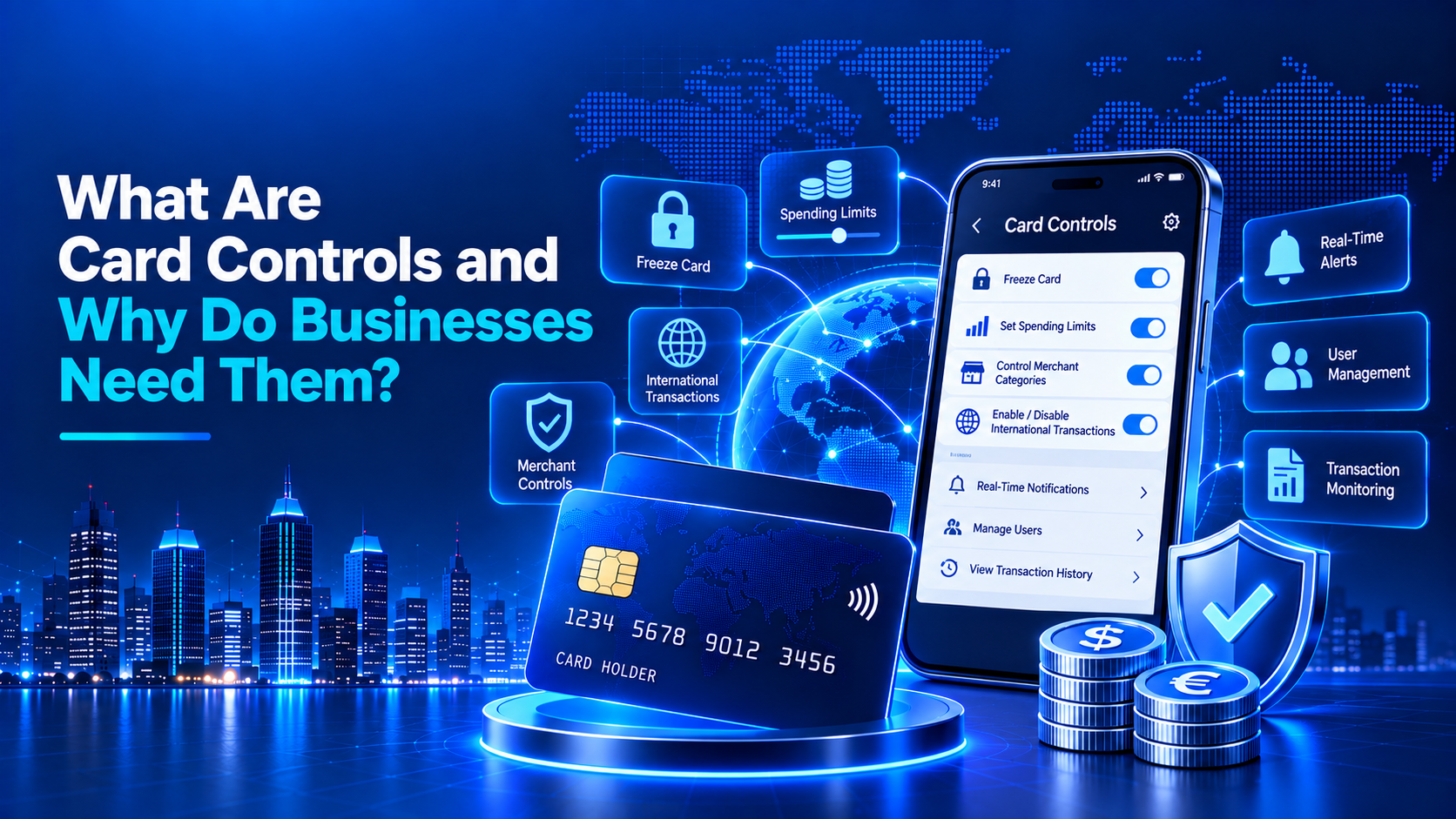
Once cards are issued, businesses need ways to manage them. For example, a business may need to activate a card, freeze it temporarily, block it, cancel it, or establish spending limits. NetPay supports card controls including freeze, unfreeze, cancellation, and spending limits, while its API infrastructure includes activation and blocking capabilities. These functions become increasingly important when a business manages a larger number of cards and cardholders.
Transaction Monitoring and Reporting
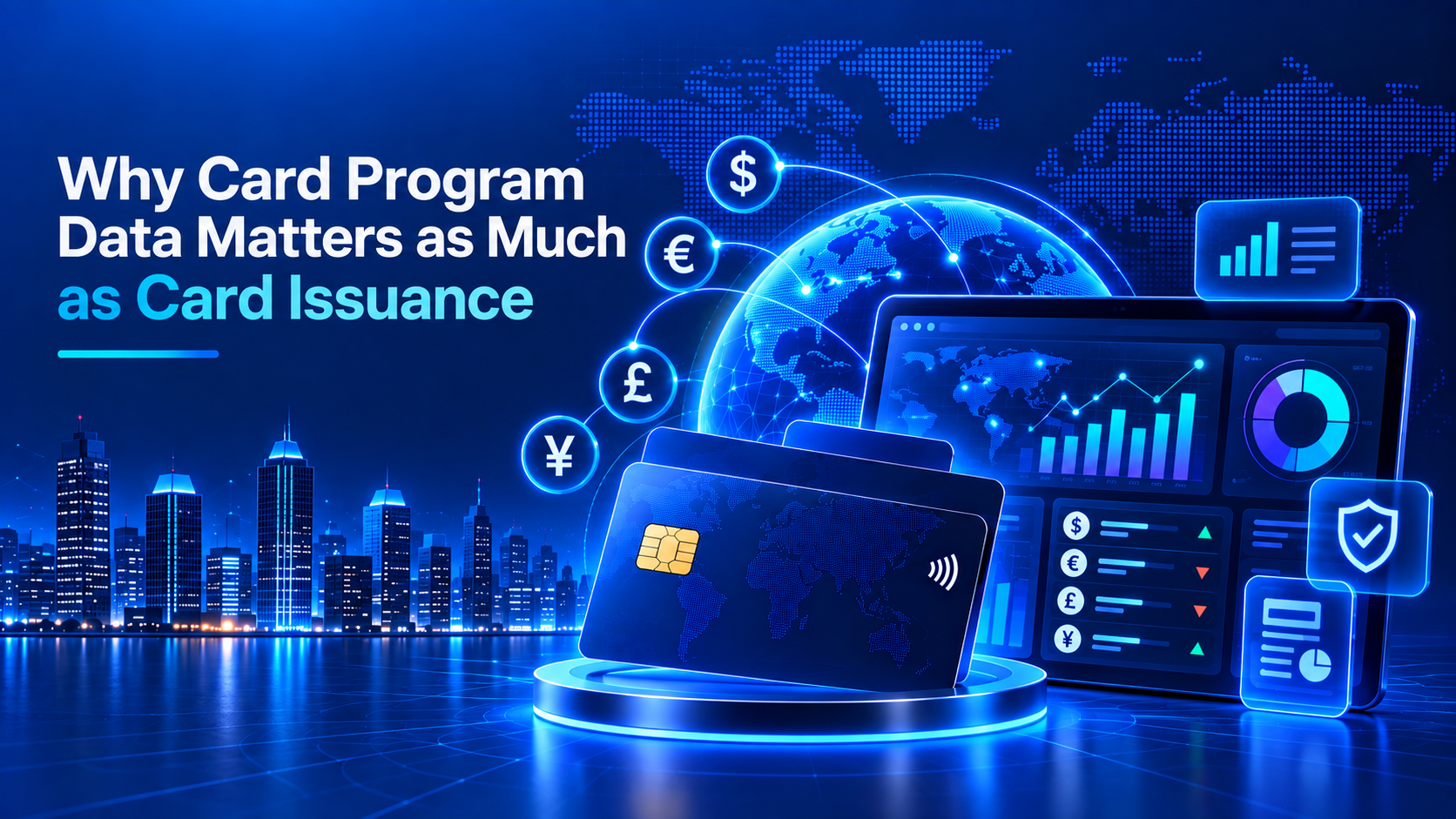
A card program also needs visibility into what happens after cards are issued. Businesses may need to understand transaction activity, review spending, manage cardholders, and reconcile financial information. NetPay's dashboard includes transaction monitoring, spending reports, cardholder management, load history, user management, and reconciliation reports. This operational layer helps businesses move beyond simply issuing cards toward managing the complete card ecosystem.
APIs: Connecting the Card Program to Your Platform
Another major difference between simply issuing cards and running a modern card program is integration. Businesses may want card functionality to work directly within their own applications or platforms. APIs can help connect the card infrastructure with existing systems. NetPay provides API functionality for card creation and issuance, activation and blocking, balance checks, transaction history, webhooks, spending limits, and reconciliation. This can help businesses build card functionality into their own customer and operational experiences.
Compliance Is Part of the Program
Running a card program also involves understanding compliance responsibilities. NetPay's proposal describes KYB and compliance review as part of implementation and states that the client is responsible for end-user KYC, while NetPay provides tooling. Businesses should therefore understand their responsibilities before launching and ensure that their card program is structured around applicable requirements.
How NetPay Fits Into the Bigger Picture
NetPay goes beyond basic card issuance by providing infrastructure for managing different parts of a card program. Its offering combines physical and virtual card issuing, APIs, dashboards, reconciliation, card controls, transaction monitoring, and white-label capabilities. This makes the distinction between issuing a card and operating a card program especially important for businesses evaluating payment infrastructure.
Conclusion
Card issuing is about providing the card. Running a card program is about managing everything around that card. A successful card program requires more than card creation. Businesses need tools for cardholder management, controls, transaction monitoring, reporting, reconciliation, APIs, and compliance processes. With NetPay, businesses can access card issuing infrastructure designed to support physical and virtual cards alongside the technology and operational capabilities needed to manage an ongoing card program. For businesses planning to enter the card and payments space, understanding this difference can help them evaluate infrastructure based on the complete card lifecycle, rather than focusing only on card issuance.
What is the difference between card issuing and running a card program?
Card issuing focuses on creating and providing cards, while running a card program involves ongoing card management, transaction monitoring, controls, reporting, reconciliation, compliance, and other operational activities.
Is card issuing enough to run a complete card program?
No. Card issuing is only one component of a complete card program. Businesses also need infrastructure to manage cards, cardholders, transactions, spending, and ongoing operations.
What features are important for running a card program?
Important capabilities can include card activation, blocking, spending limits, transaction monitoring, balance checks, transaction history, reporting, reconciliation, and APIs.
Does NetPay provide more than card issuing?
Yes. NetPay provides physical and virtual card issuing along with APIs, dashboards, card controls, transaction monitoring, reconciliation, and white-label capabilities.
Why are card controls important?
Card controls allow businesses to manage card access and spending. NetPay supports features such as freeze, unfreeze, cancellation, and spending limits.

The NetPay247 team writes about card issuing, Virtual IBANs, cross-border payments and building products on embedded finance infrastructure.
Leave a reply
Your email address will not be published. Required fields are marked *