

Short answer
Embedded finance puts accounts, cards and payments inside non-bank products. What it covers, why it grew, and how platforms make it a product decision.
Embedded Finance, Defined
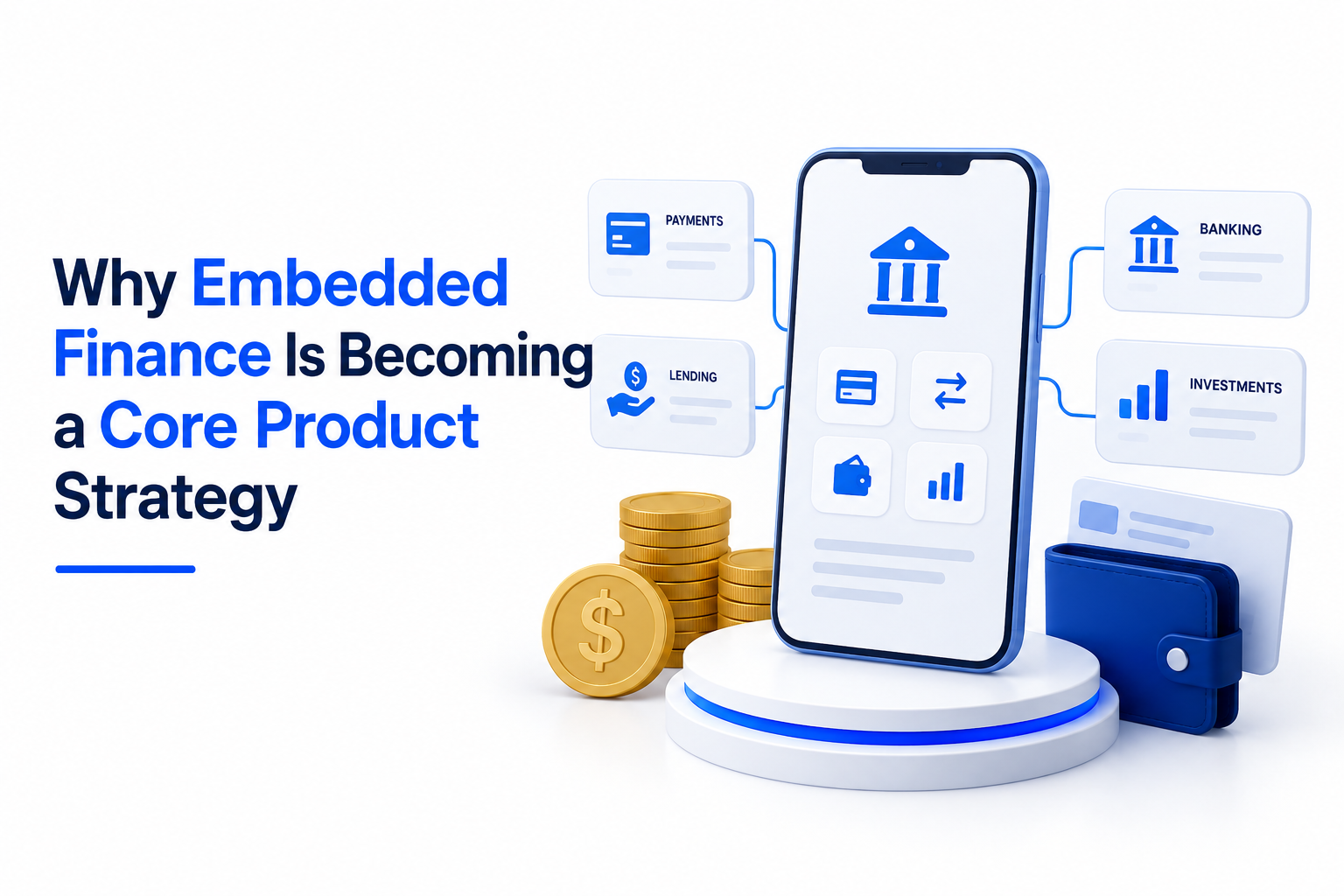
Embedded finance is financial capability delivered inside a product whose main business is not banking: the marketplace that holds seller balances, the SaaS that issues expense cards, the gig app that pays earnings to a card in the driver's pocket. Instead of sending users to a bank, the product embeds accounts, cards and payments into its own experience through APIs run on regulated infrastructure.
The Building Blocks
- Accounts — virtual IBANs that receive, hold and reconcile funds per user or entity
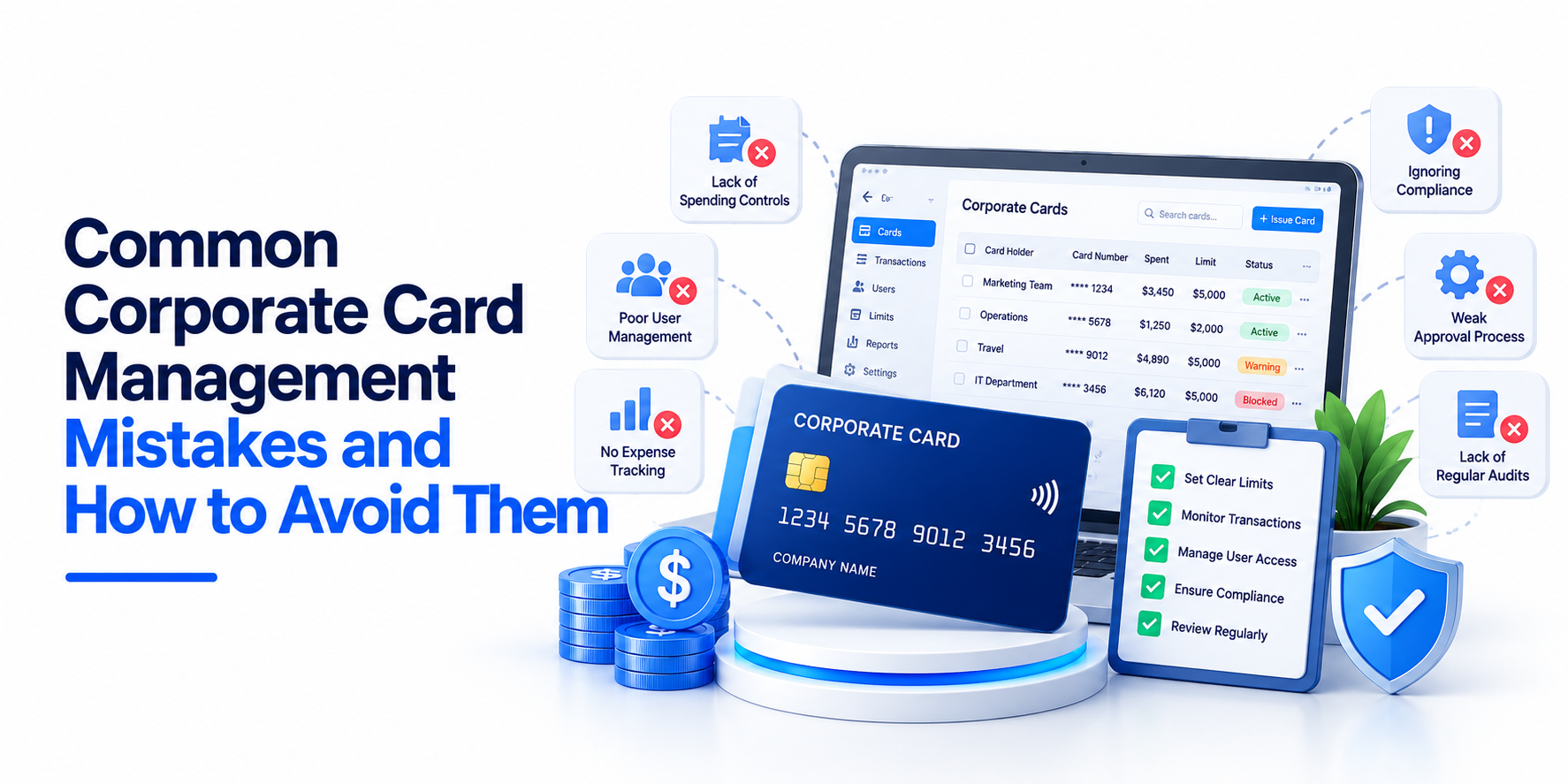
- Cards — branded issuing, virtual and physical, with real-time controls
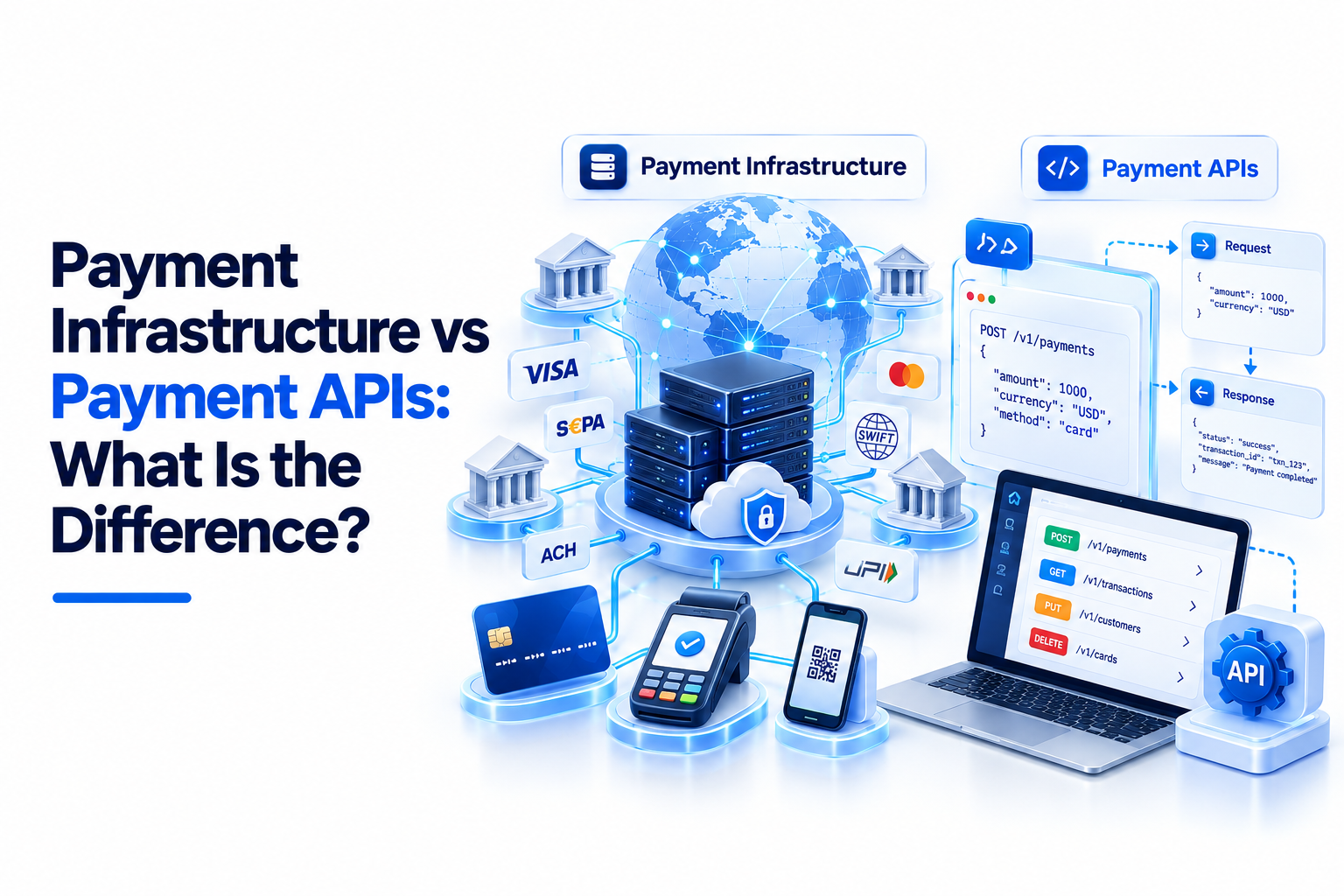
- Payments — SEPA, SWIFT and FX for money in and out across borders
- Compliance — KYC/KYB onboarding and monitoring baked into the flows
Why It Took Off
Three forces converged. Infrastructure became buyable — platforms turned scheme access and compliance into APIs, collapsing multi-year builds into integrations. Distribution advantages flipped — software companies own customer relationships banks struggle to reach, so finance moved to where users already are. And economics rewarded it: cards carry interchange, balances and payments carry margin, and financial features measurably deepen retention.
Build vs Embed: The Real Decision
No product team should build issuing rails or banking connectivity from scratch — that is the platform's job. The real decisions are product-shaped: which financial feature genuinely serves your users first, in which markets, under whose compliance envelope. Teams that start with one embedded feature — a card, an account — and expand from live usage consistently beat teams that architect a whole bank up front. NetPay's platform covers the full block set, from white label financial infrastructure to payouts, behind one API.
Is embedded finance the same as Banking-as-a-Service?
They are two ends of one arrangement: BaaS is the supply side — infrastructure exposed as a service — while embedded finance is the demand side, that capability appearing inside a product.
Does embedding finance make my company a bank?
No — the regulated activity sits with the platform and its partners. Your product operates the experience within that envelope, though obligations vary by feature and market.
Where do most companies start?
Usually cards or accounts, because both create daily engagement and visible value fast — and both extend naturally into payments and payouts later.

The NetPay247 team writes about card issuing, Virtual IBANs, cross-border payments and building products on embedded finance infrastructure.
Leave a reply
Your email address will not be published. Required fields are marked *