

Short answer
Learn how businesses can design flexible card programs around different spending behaviors using card controls, spending limits, monitoring, and NetPay infrastructure.
Not every cardholder uses a payment card in the same way. An employee may use a card for business expenses, a marketplace may use cards for vendor payouts, while a fintech platform may provide cards to customers for everyday payments. Because spending patterns can vary significantly, businesses should think beyond simply issuing cards. A well-designed card program can use different controls, limits, monitoring tools, and operational processes to better match the needs of different users. For businesses building these programs, NetPay provides card issuing infrastructure with physical and virtual cards, spending controls, transaction monitoring, APIs, dashboards, and reconciliation capabilities.
Why Spending Behavior Matters in Card Programs
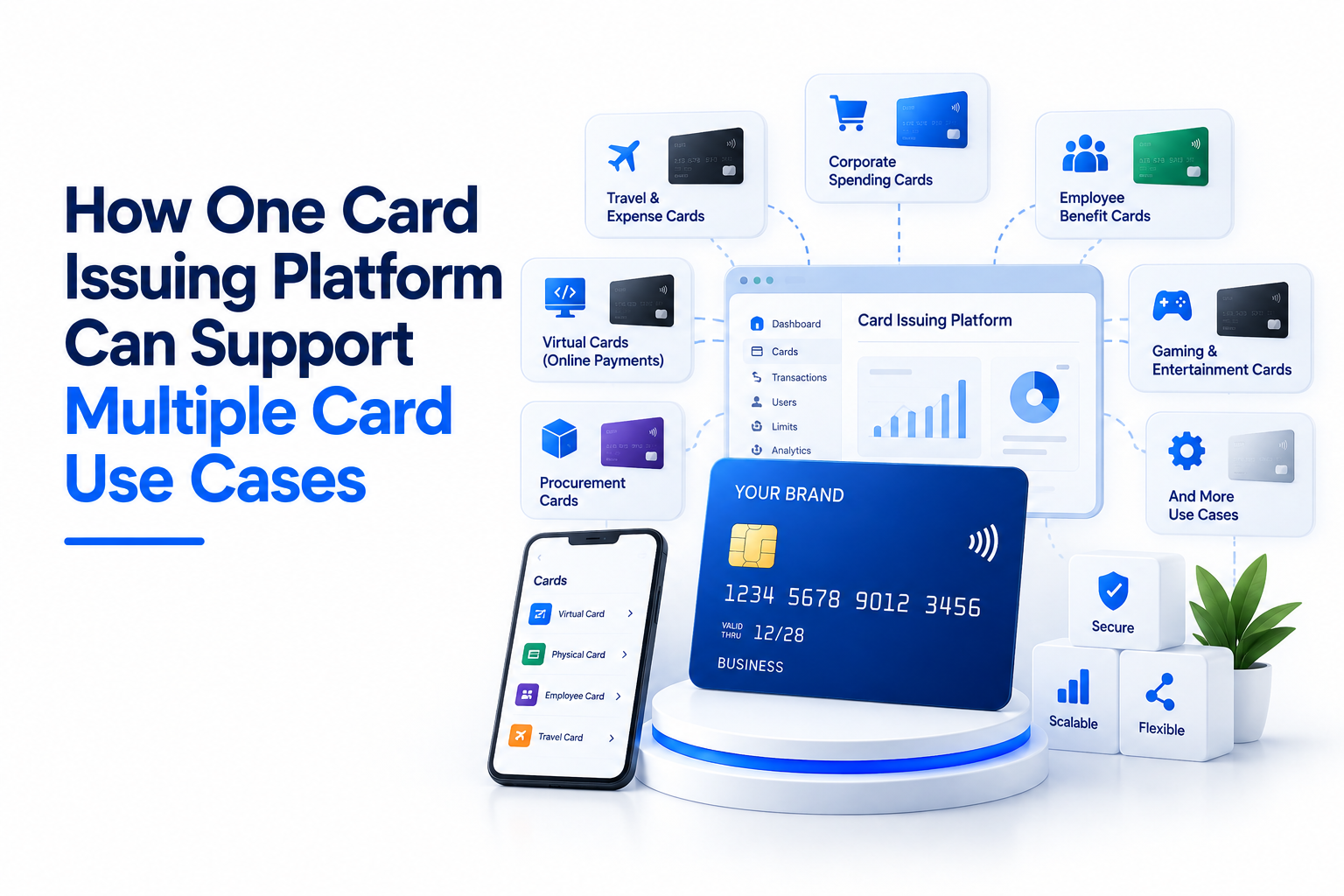
A card program may serve multiple types of users, and each group can have different spending requirements. For example, a corporate employee may require controlled access to business funds, while an advertising team may need a card specifically for digital advertising expenses. Similarly, a marketplace may need cards designed around vendor or platform payouts. NetPay identifies several card program use cases, including corporate cards, platform payouts, brokerage cards, advertising spend, white-label programs, and neobank cards. Understanding these differences can help businesses structure their card programs more effectively.
1. Corporate and Employee Spending
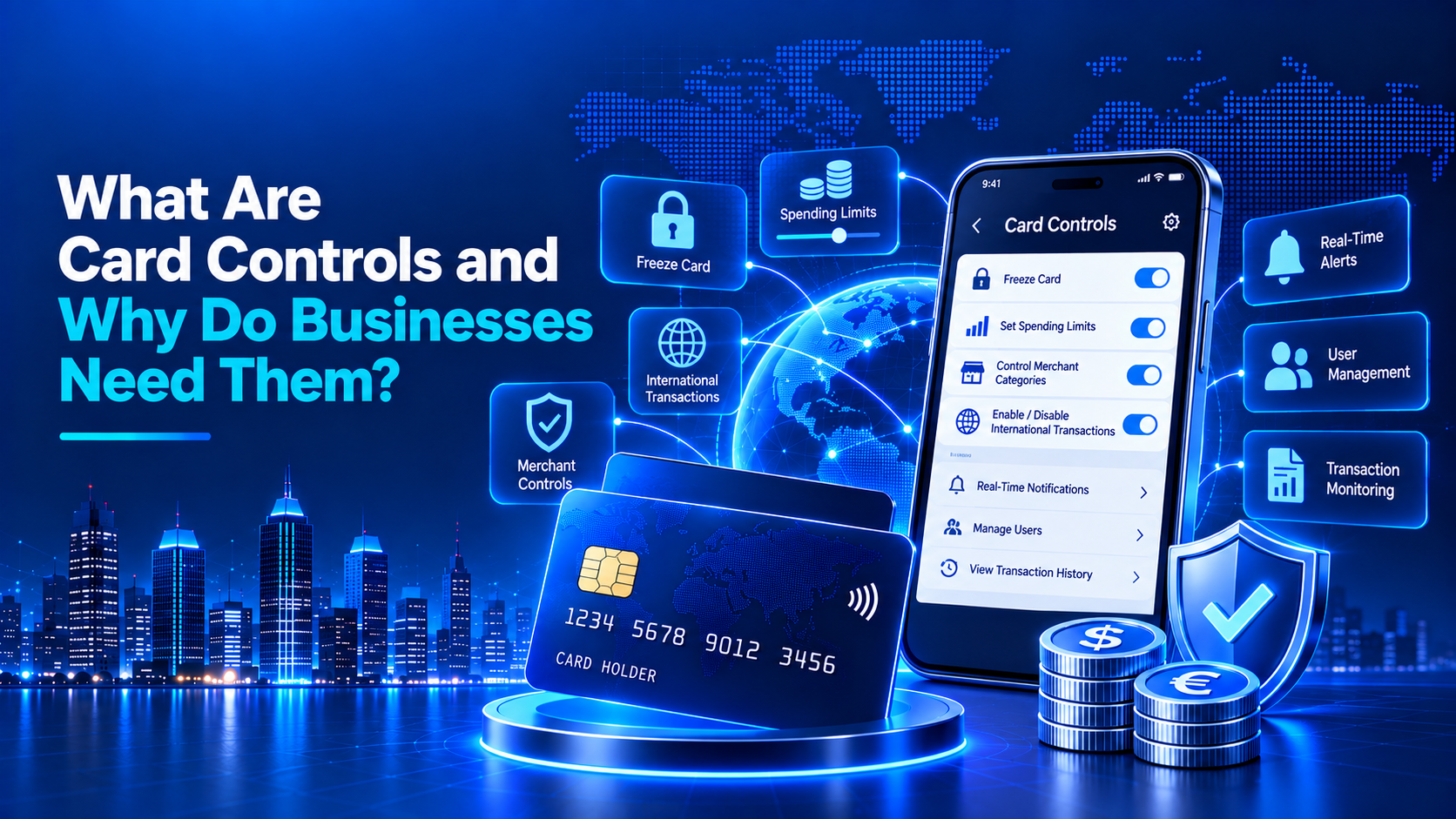
Corporate cards are often used for business expenses such as travel, supplies, subscriptions, or team-related purchases. Businesses can consider applying appropriate spending limits based on the employee's role or expected expenses. Card controls can also help businesses manage access when a card needs to be restricted. NetPay supports spending limits as well as card controls such as freeze, unfreeze, cancellation, and blocking.
2. Advertising and Digital Spending
Digital advertising can involve frequent transactions across different platforms. Businesses may want greater visibility over advertising expenditure and separate spending from other operational expenses. A dedicated card structure can help businesses organize this type of spending while maintaining transaction visibility and defined limits. NetPay specifically supports advertising spend as one of its card program use cases.
3. Platform and Vendor Payouts
Marketplaces and digital platforms may need to make payments to vendors or users. In these cases, the card program needs to support a different operational model from a standard employee expense card. NetPay supports platform payout cards and marketplace/vendor payment card use cases. Businesses can therefore design card programs around the specific payment flow they need to support.
4. Brokerage and Fintech Users
Brokerages and fintech platforms can have customers with different transaction and spending patterns. A card program in this environment may need strong visibility, card controls, and integration with the wider platform. NetPay supports brokerage card programs and provides API functionality for card creation, activation, blocking, balance checks, transaction history, spending limits, webhooks, and reconciliation. This type of infrastructure can help businesses connect card functionality with their existing technology.
5. Virtual vs Physical Spending
Spending behavior can also influence whether a business needs physical cards, virtual cards, or both. Physical cards can support broader payment use cases, including contactless transactions, while virtual cards can be useful for online and digital payments. NetPay provides both physical and virtual card issuance through Visa and Mastercard networks. Its virtual cards support instant issuance and online payments, while physical cards include EMV chip and NFC contactless functionality.
Using Card Controls to Match Spending Patterns
Card controls can help businesses create different levels of access based on the intended use of each card. For example, businesses may use spending limits for controlled expenditure and freeze or block cards when access needs to be restricted. NetPay's supported card controls include freeze, unfreeze, cancellation, and spending limits, while its API infrastructure supports card activation and blocking. The specific controls and limits a business uses should be determined according to its operational and compliance requirements.
Monitoring Different Spending Behaviors
Designing a card program around spending behavior also requires visibility into transactions. NetPay's dashboard provides transaction monitoring, spending reports, cardholder management, load history, user management, and reconciliation reports. This can help businesses review spending patterns and maintain better operational visibility across different card groups.
Building a Flexible Card Program
A flexible card program should be able to accommodate different users without creating completely separate infrastructure for every spending category. API access can help businesses connect card functionality with their own platforms. NetPay provides API capabilities for card creation, balance checks, transaction history, spending limits, webhooks, and reconciliation. This can support businesses as their card programs evolve and their user requirements change.
Why Infrastructure Matters
The goal is not simply to create different cards for different users. The underlying card issuing infrastructure should provide the tools needed to manage those programs efficiently. NetPay combines physical and virtual card issuing with API access, dashboards, reconciliation, card controls, and white-label support. This provides businesses with a foundation for building card programs around different spending models.
Conclusion
Different users have different spending behaviors, and businesses should consider these differences when designing their card programs. Corporate expenses, advertising spend, platform payouts, brokerage users, and digital payments can all require different approaches. By combining appropriate card types with spending limits, card controls, transaction monitoring, APIs, and reporting, businesses can create more structured card programs. With NetPay, businesses can access card issuing infrastructure designed to support physical and virtual cards, multiple use cases, card controls, transaction visibility, and integrated payment operations. A card program becomes more effective when it is designed around how users actually spend—not simply around the card itself.
Why should businesses design card programs around spending behavior?
Different users have different payment needs. Designing a card program around spending behavior can help businesses apply suitable card types, spending limits, controls, and monitoring.
What types of businesses can benefit from customized card programs?
Corporate businesses, fintechs, brokerages, marketplaces, advertising teams, and other businesses with specific spending or payout requirements can benefit from tailored card programs.
Should businesses use physical cards, virtual cards, or both?
It depends on the intended use. Physical cards can support broader payment needs, while virtual cards can be useful for online and digital spending. NetPay supports both physical and virtual cards.
How can spending limits help manage card programs?
Spending limits can help businesses establish boundaries around card usage and align spending access with specific business requirements.
What card controls should businesses consider?
Useful controls can include activation, blocking, freezing, unfreezing, cancellation, and spending limits. NetPay supports these capabilities.

The NetPay247 team writes about card issuing, Virtual IBANs, cross-border payments and building products on embedded finance infrastructure.
Leave a reply
Your email address will not be published. Required fields are marked *