
Short answer
Discover how virtual IBAN infrastructure can simplify global collections, improve payment identification, support multi-currency payments, and streamline reconciliation.
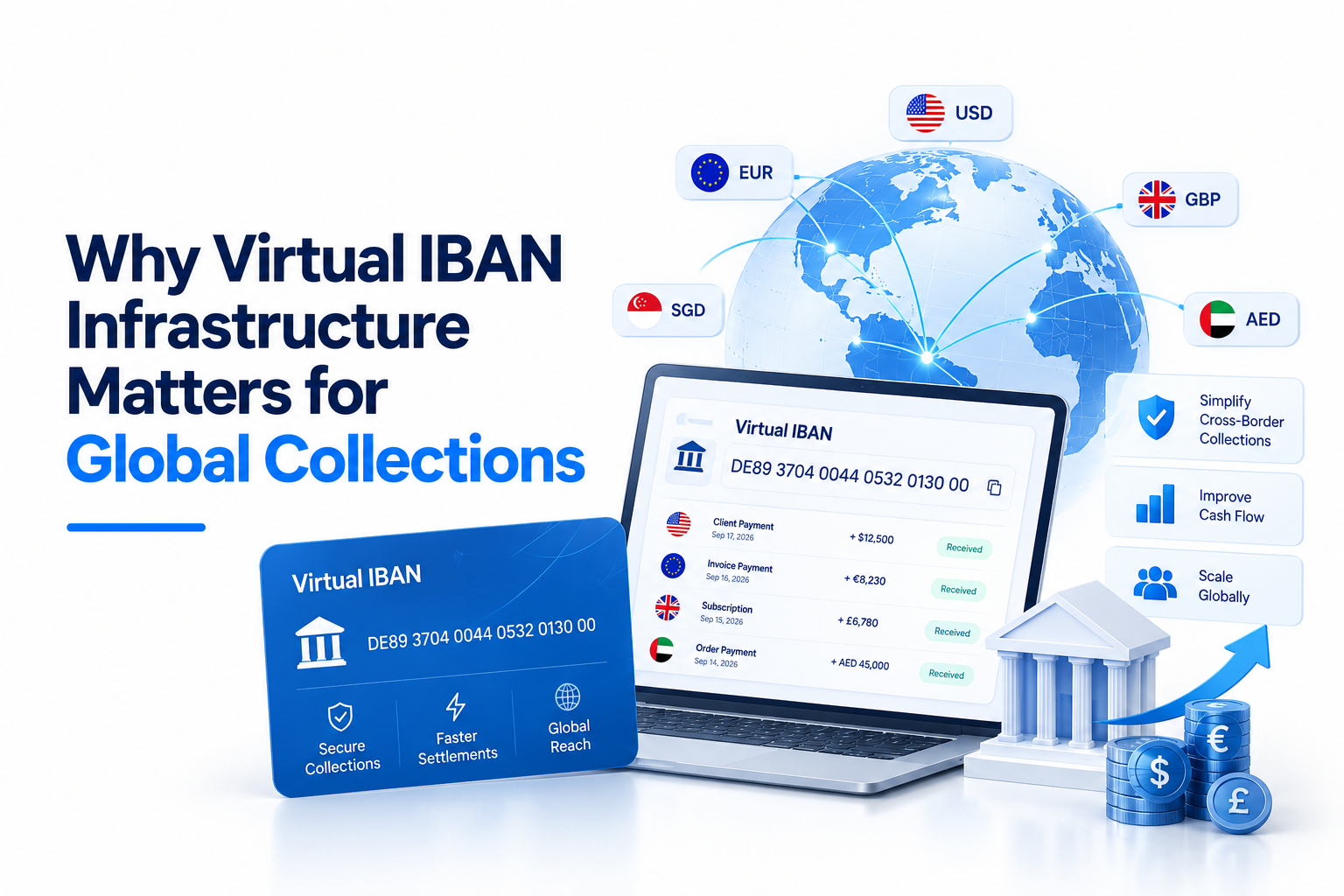
As businesses expand into international markets, collecting payments from customers across different countries can become increasingly complex. Multiple currencies, payment methods, banking relationships, and transaction records can make it difficult for finance teams to maintain a clear view of incoming funds. This is where virtual IBAN infrastructure can play an important role. A virtual IBAN can provide businesses with dedicated payment details for receiving funds while connecting those collections to a broader payment infrastructure. Instead of treating every incoming payment as an isolated transaction, businesses can create a more organized process for receiving, identifying, tracking, and reconciling international collections.
What Is Virtual IBAN Infrastructure?
A virtual IBAN is a digital bank account identifier that can be used to receive payments without necessarily requiring a separate traditional bank account for every payment flow. The infrastructure behind virtual IBANs is what makes them particularly useful for businesses operating internationally. It can connect incoming payments with: Customer or business identifiers Currencies Payment references Internal accounting systems Reconciliation workflows Payment reporting This creates a structured layer between incoming payments and the business's internal financial operations.
Why Global Collections Can Become Complicated
Collecting payments internationally is more than simply providing customers with bank details. A growing business may receive payments from customers in different countries and currencies. Finance teams then need to determine who made each payment, what the payment relates to, whether the expected amount was received, and how the transaction should be recorded. Without organized payment infrastructure, teams may rely heavily on manual reconciliation. For example: Customer Payment → Bank Account → Manual Identification → Spreadsheet → Accounting System As transaction volumes increase, this approach can become difficult to maintain. Virtual IBAN infrastructure can help create a more structured collection flow.
Virtual IBANs Can Improve Payment Identification
One of the most useful applications of virtual IBANs is payment identification. Businesses can assign dedicated virtual IBANs or payment details to particular customers, accounts, business units, or collection flows, depending on the provider's structure and supported use case. When money arrives, the associated payment information can make it easier to determine where the funds belong. The process can become: Customer → Dedicated Payment Details → Incoming Payment → Identification → Reconciliation This can reduce the amount of manual investigation required by finance teams.
Supporting Multi-Currency Collections
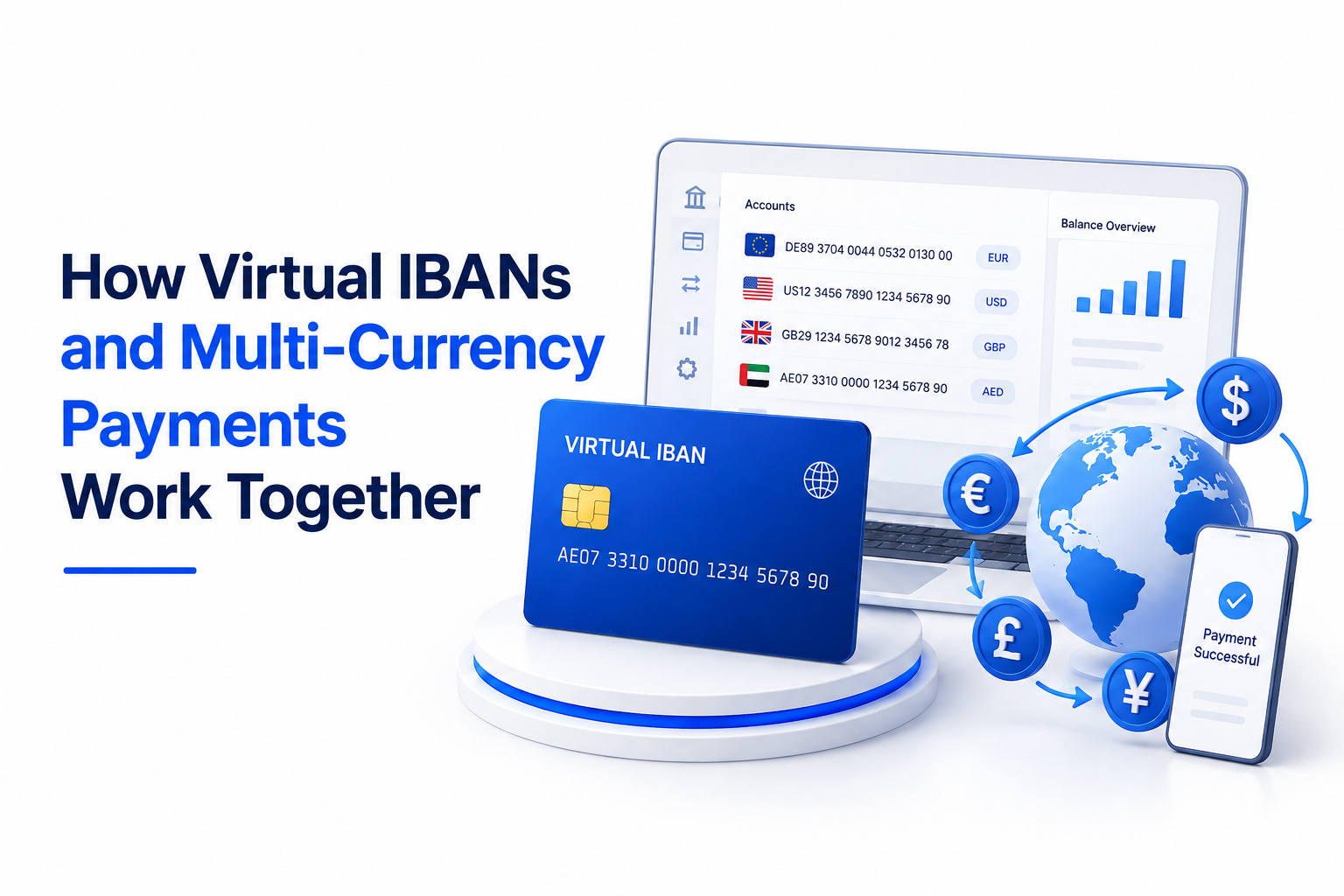
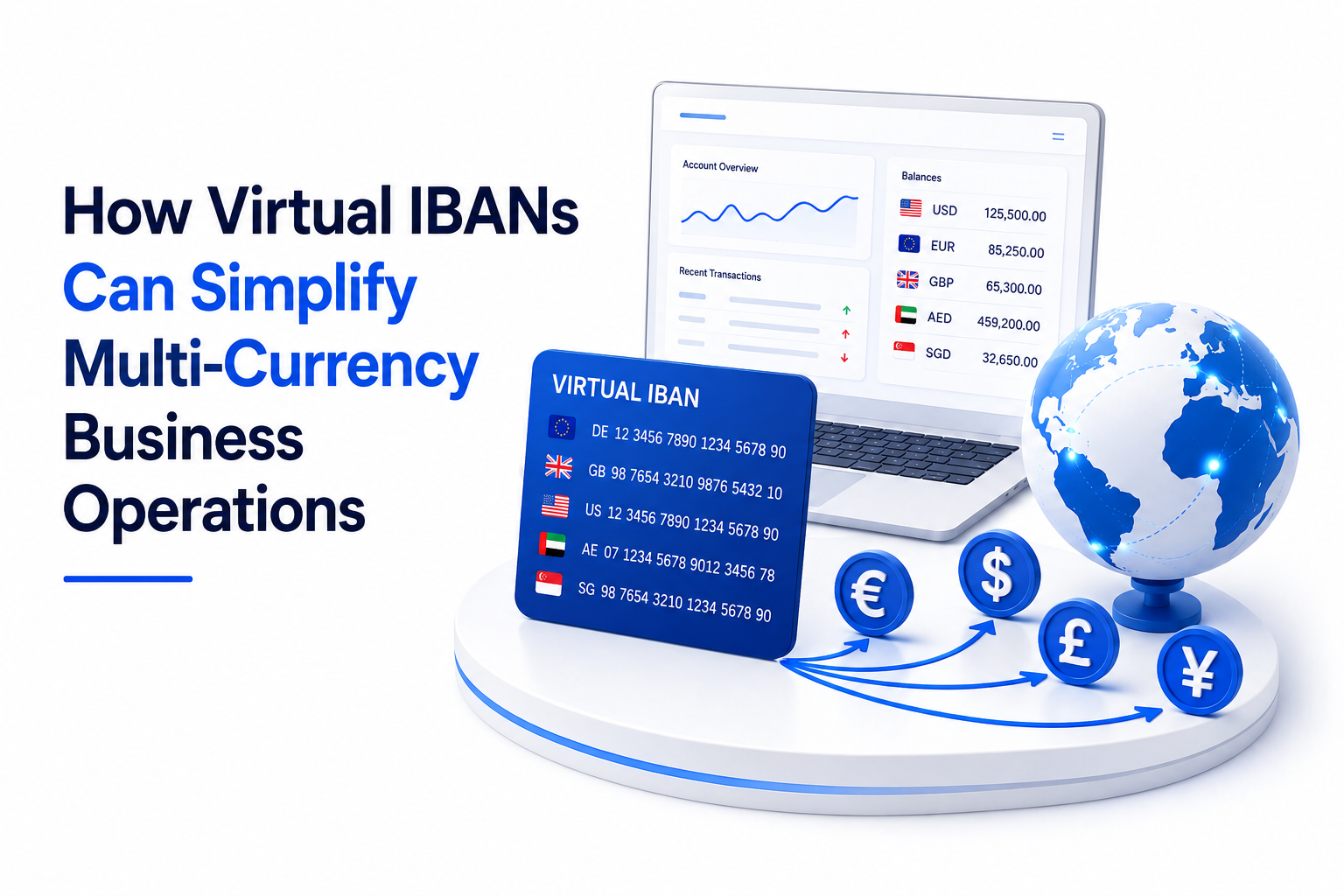
Global businesses rarely operate with a single currency. A company may receive EUR from customers in Europe, GBP from the UK, USD from international customers, and other currencies from additional markets. A multi-currency payment infrastructure can help businesses manage these incoming flows through a more connected environment. NetPay provides virtual IBAN and global payment infrastructure designed to support international collections and multi-currency payment operations. Its platform supports payment accounts, currency conversion, international transfers, and payment connectivity for businesses operating across markets. This can help businesses build a collection strategy around their international customers rather than relying on a single payment route for every market.
Virtual IBANs Are More Than Receiving Details
It is easy to think of a virtual IBAN as simply another set of bank details. Its value can be much broader. When connected with payment APIs, transaction data, reconciliation workflows, currency management, and reporting, virtual IBANs can become part of a larger global collections infrastructure. This is particularly relevant for: International businesses Marketplaces Fintech platforms SaaS companies Global service providers Businesses receiving recurring international payments The goal is not simply to receive money. The goal is to make the entire collection process easier to identify, track, manage, and reconcile.
How NetPay Supports Global Collections
NetPay provides advanced payment infrastructure designed for businesses managing international payment flows. Its solutions include virtual IBANs, multi-currency accounts, global collections, international transfers, FX capabilities, APIs, and payment connectivity. For businesses receiving payments across multiple markets, NetPay can provide infrastructure that connects incoming collections with broader payment and financial workflows. This can help businesses move from fragmented collection processes toward a more connected approach to international payment management.
Final Thoughts
As businesses expand globally, the challenge is not simply finding ways to receive international payments. It is creating a system that can manage those payments efficiently after they arrive. Virtual IBAN infrastructure can help businesses organize global collections by improving payment identification, supporting multi-currency operations, connecting payment data with internal systems, and simplifying reconciliation workflows. When combined with APIs, webhooks, payment accounts, and international payment capabilities, virtual IBANs become more than receiving details. They become an important component of modern global payment infrastructure. For businesses managing international collections, the right infrastructure can turn incoming payments from a manual operational challenge into a more structured and connected financial workflow.
What is virtual IBAN infrastructure?
Virtual IBAN infrastructure is the technology and payment layer that enables businesses to use virtual IBANs for receiving and managing payments while connecting those transactions with broader financial systems and workflows.
How can virtual IBANs support global collections?
Virtual IBANs can provide structured payment details that help businesses receive, identify, track, and reconcile incoming payments from international customers.
Can virtual IBANs support multiple currencies?
Depending on the provider and account structure, virtual IBAN solutions can support multi-currency collection and payment workflows.
How do virtual IBANs help with reconciliation?
Virtual IBANs can provide transaction and payment information that helps businesses match incoming funds with customers, invoices, orders, or internal financial records.
Can virtual IBANs connect with business systems?
Yes. When APIs and webhooks are available, payment information and transaction events can be connected with accounting, finance, ERP, or other internal business systems.

The NetPay247 team writes about card issuing, Virtual IBANs, cross-border payments and building products on embedded finance infrastructure.

Leave a reply
Your email address will not be published. Required fields are marked *