

Short answer
Virtual IBANs give every customer, entity or currency its own account number without opening bank accounts. How they work and the businesses they transform.
The Definition First
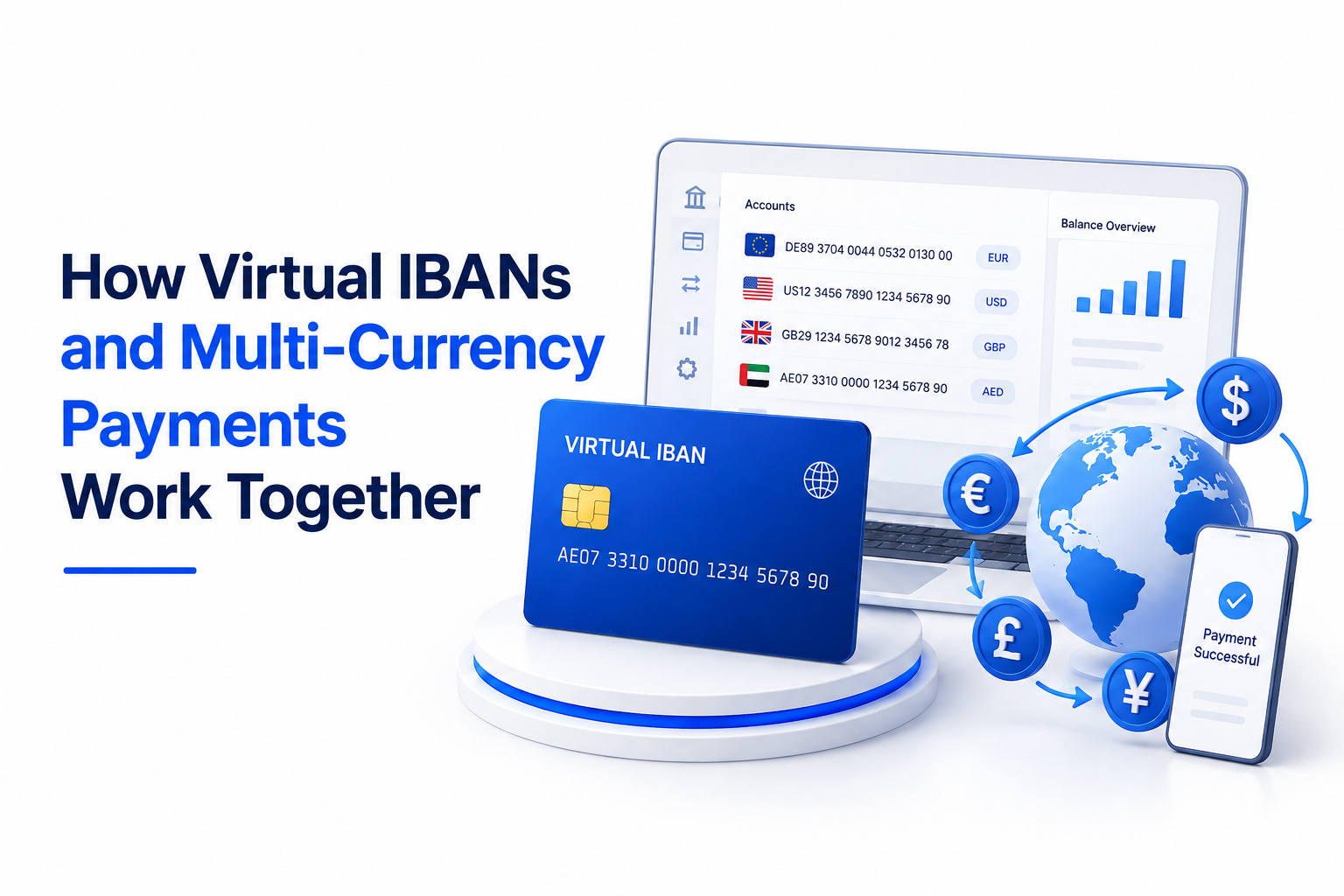
A virtual IBAN is an account number that routes payments into an underlying master account while behaving, for senders, exactly like a dedicated bank account. Businesses use virtual IBANs to give every customer, legal entity or currency its own account details — so incoming payments identify themselves, and collections and payouts run over SEPA and SWIFT without opening a separate bank account for each need.
The Problem It Solves: Reconciliation
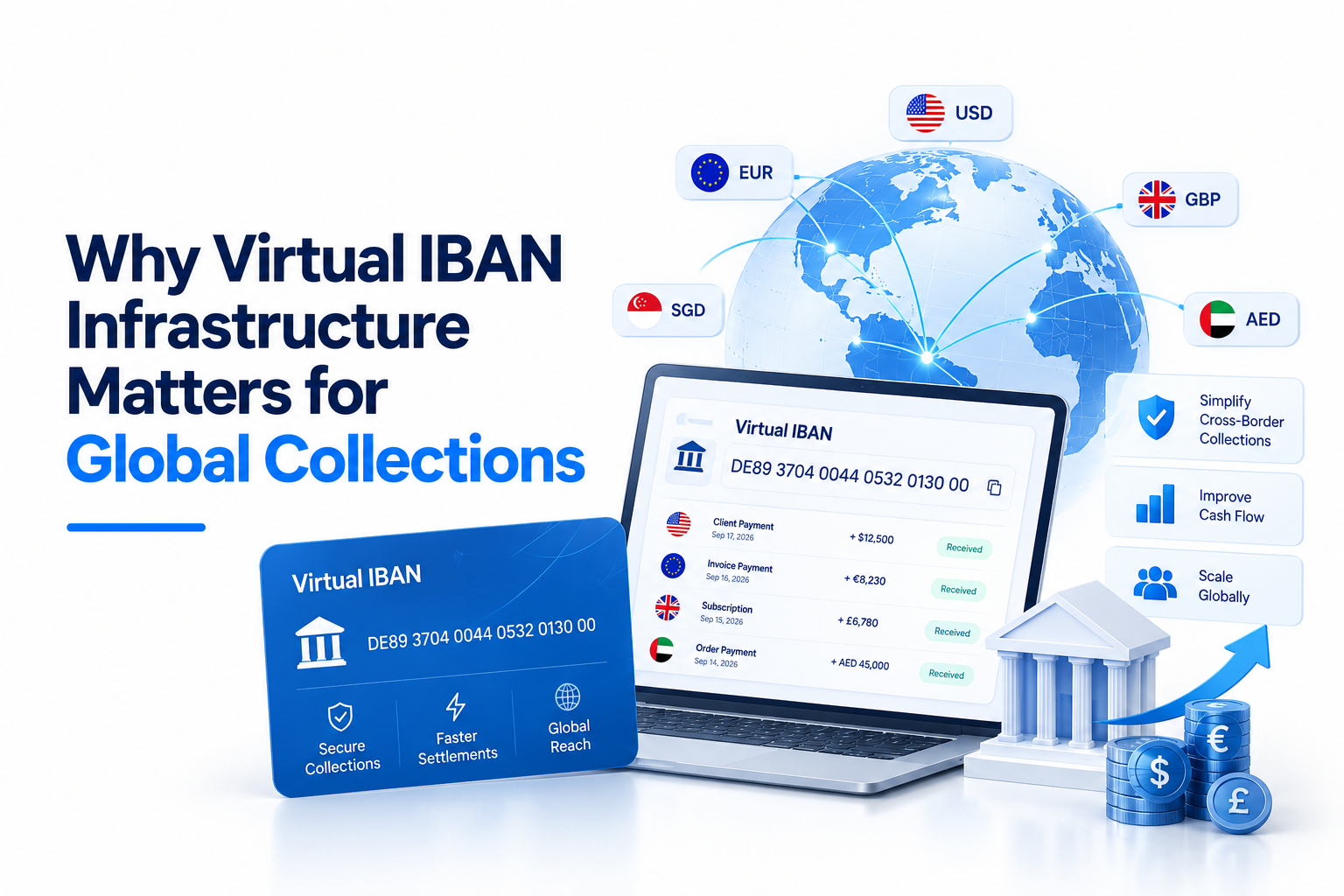
When a thousand customers pay into one shared account, someone — or some fragile reference-matching code — must figure out which payment belongs to whom. Payers forget references, banks truncate them, and finance teams spend days untangling the result. With a unique IBAN per customer, attribution is structural: the destination account number itself says who paid. Funds reconcile automatically and webhooks credit the right balance in real time.
Who Gets the Most Out of Virtual IBANs
- Fintechs and neobanks — named account details for every user, inside their own app
- Forex brokers — client deposits that attribute to trading accounts instantly
- Marketplaces and PSPs — clean segregation of seller funds by design
- Remittance companies — collection accounts across corridors without local entities
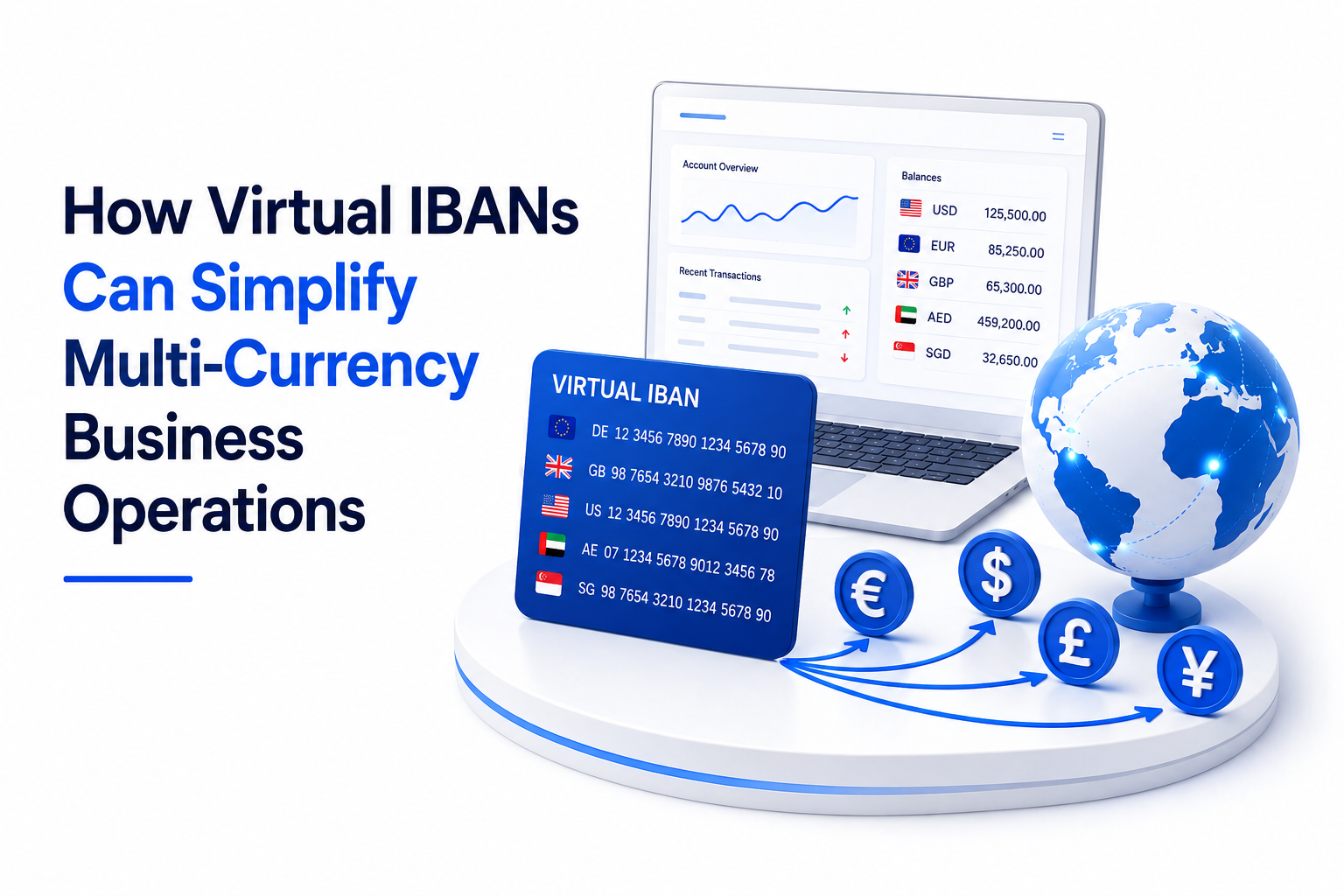
- Global businesses — one IBAN per currency or subsidiary, one platform behind them
Virtual vs Traditional Bank Accounts
A traditional account requires its own opening process, its own KYB file and its own banking relationship — multiplied by every customer, currency and entity. Virtual IBANs are created through an API in your own onboarding flow, and they pair naturally with the rest of a payment stack: balances feed cards, and payouts leave from the same structure. The full capability is described on our virtual IBAN accounts page.
Is a virtual IBAN a real IBAN?
Yes — it is a valid IBAN that senders use like any other. The 'virtual' part describes how it routes into a master account behind the scenes, not any limitation the payer can see.
Can my end customers get their own virtual IBANs?
Yes. Account creation is API-driven, so issuing a dedicated IBAN per user inside your product is the standard pattern.
Which rails do virtual IBANs support?
SEPA for euro payments and SWIFT for international transfers, with multi-currency settlement support across 35+ currencies on NetPay's platform.

The NetPay247 team writes about card issuing, Virtual IBANs, cross-border payments and building products on embedded finance infrastructure.
Leave a reply
Your email address will not be published. Required fields are marked *