

Short answer
Learn how multi-currency payment accounts can help forex businesses manage international payments, currencies, deposits, withdrawals, and financial operations.
Forex businesses operate across borders by nature. Brokers may serve traders in different countries, work with international partners, and handle deposits and payouts in multiple currencies. Managing these transactions efficiently can become challenging when financial operations depend on separate accounts, payment providers, and currency conversion processes. This is where multi-currency payment accounts can become useful. By supporting multiple currencies within a connected payment infrastructure, forex businesses can simplify parts of their payment operations and manage international transactions more efficiently.
What Are Multi-Currency Payment Accounts?
A multi-currency payment account allows a business to manage funds in more than one currency through a single financial infrastructure. Depending on the provider and business setup, these accounts may support currencies such as USD, EUR, GBP, and other major currencies. Businesses can use them to receive, hold, convert, and transfer funds across different markets. For international forex operations, this can provide a more organized way to manage payments without relying entirely on separate accounts for every currency.
Why Do Forex Businesses Need Multi-Currency Payment Infrastructure?
Forex businesses often work with customers and partners across multiple jurisdictions. A trader may deposit funds in one currency, while the broker may operate its business accounts in another. Without suitable infrastructure, businesses may have to manage multiple payment providers, currency conversions, settlement accounts, and transaction records. A connected multi-currency payment solution can help simplify these processes.
1. Manage Multiple Currencies
Forex brokers can receive payments from users in different currencies depending on their target markets. Having access to multiple currency accounts can help businesses organize incoming and outgoing funds more efficiently. Instead of treating every currency as a completely separate payment process, businesses can manage multiple currency balances through a more connected infrastructure.
2. Simplify International Payments
International forex businesses may need to make payments to partners, service providers, affiliates, or other business accounts across different countries. Multi-currency payment infrastructure can help businesses manage these international transfers while reducing the need to constantly move funds between separate accounts. This can make day-to-day payment operations easier to organize.
3. Support Trader Deposits and Withdrawals
Deposits and withdrawals are an important part of the forex trading experience. Traders may use different currencies and payment methods depending on their location. A forex business therefore needs payment infrastructure that can support its operational requirements across different markets. Multi-currency accounts can form part of this infrastructure by helping businesses manage currency balances associated with international payment flows.
4. Reduce Unnecessary Currency Conversions
Converting currencies every time a business receives or sends a payment can add additional operational complexity. With suitable multi-currency infrastructure, a business may be able to receive and hold funds in supported currencies before converting them when required. The exact benefits depend on the account structure, supported currencies, exchange rates, fees, and applicable terms.
How Multi-Currency Accounts Can Improve Forex Operations
The value of multi-currency infrastructure goes beyond simply holding different currencies. For a growing forex business, it can contribute to a more organized payment environment. For example, businesses may be able to manage: Receive → Hold → Convert → Transfer → Reconcile through connected payment infrastructure. This can help finance and operations teams maintain better visibility over international payment flows.
Multi-Currency Payments and Forex Broker Operations
Forex brokers typically need to manage more than trader deposits and withdrawals. Their broader financial operations can include affiliate payments, liquidity-related transactions, operational expenses, international transfers, and settlements. As transaction volumes grow, managing these activities through disconnected systems can become increasingly difficult. A multi-currency payment account for forex businesses can help create a more structured approach to managing international financial activity. However, businesses should consider factors such as supported currencies, payment methods, settlement options, fees, compliance requirements, and geographic availability before selecting an infrastructure provider.
The Role of API-Based Payment Infrastructure
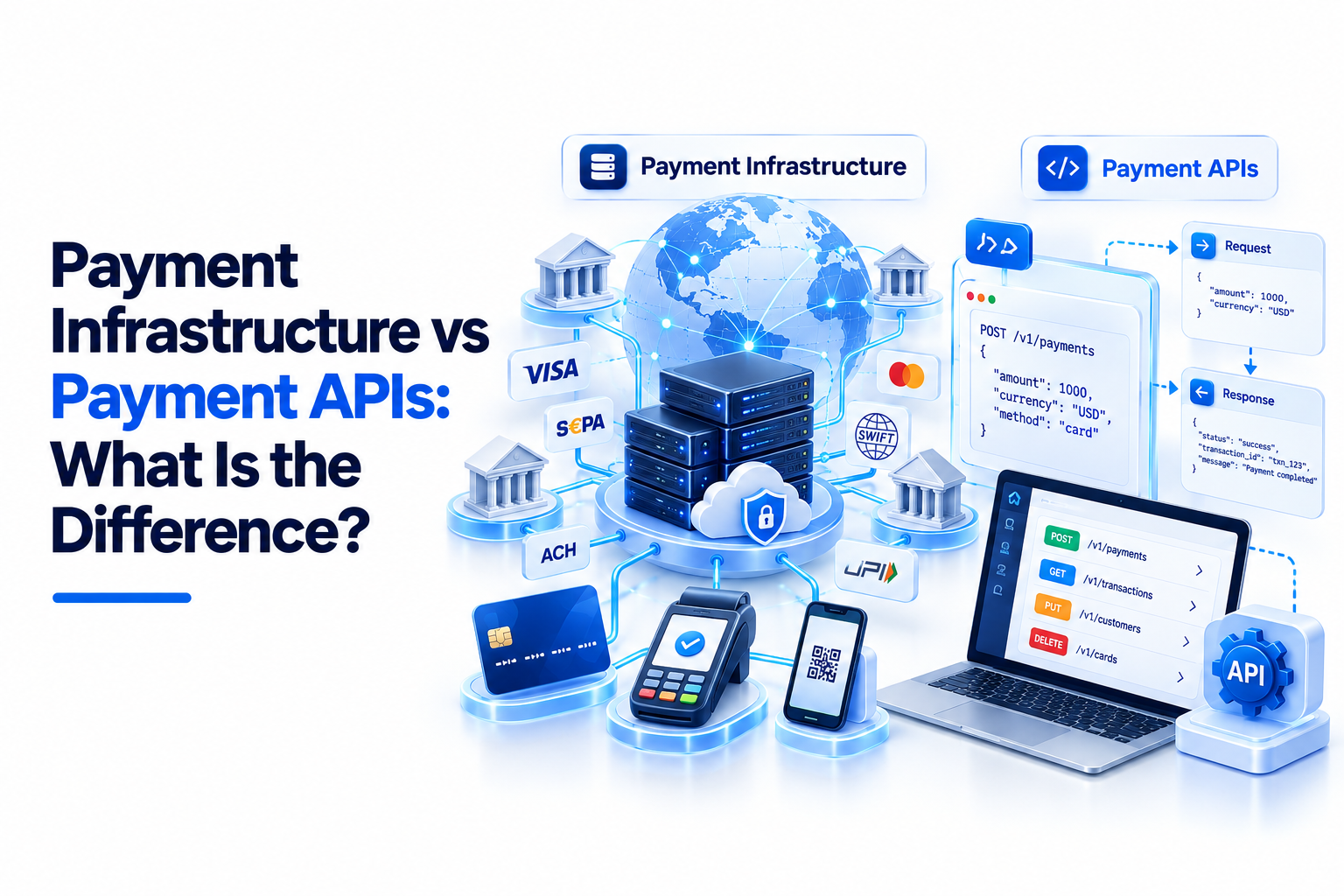
Technology is another important part of modern forex payment operations. API-based payment infrastructure can connect financial capabilities with a broker's existing technology stack, allowing businesses to integrate payment functions into their platforms and internal workflows. Depending on the solution, this can include capabilities related to: Multi-currency accounts Payments and payouts Transaction information Card programs Transfers Account management This can reduce the need for teams to manage every payment function through separate systems.
How NetPay Supports Multi-Currency Payment Infrastructure
NetPay provides payment infrastructure designed for businesses that need modern financial capabilities across international markets. Its solutions include multi-currency accounts, virtual IBANs, card infrastructure, payments, payouts, and API-based integrations. For forex businesses, these capabilities can form part of a broader payment infrastructure strategy for managing international payment operations. For example, a forex platform may need to support different currencies, manage payment accounts, facilitate payouts, or provide card-based payment experiences. Connecting these capabilities through a structured infrastructure layer can help businesses build more organized financial operations. NetPay also works across different business use cases, including fintech, forex, crypto, eCommerce, payroll, and remittance.
Final Thoughts
International forex operations require payment infrastructure that can handle multiple currencies and cross-border financial activity efficiently. Multi-currency payment accounts can help forex businesses organize currency balances, support international payments, manage deposits and withdrawals, and reduce unnecessary complexity across financial operations. As forex businesses expand into new markets, connected payment infrastructure can become increasingly important. With solutions covering multi-currency accounts, virtual IBANs, cards, payments, payouts, and API integrations, NetPay can support businesses looking to build a more connected approach to international payment operations.
What are multi-currency payment accounts?
Multi-currency payment accounts allow businesses to manage funds in multiple currencies through a connected financial infrastructure.
Why do forex businesses need multi-currency accounts?
Forex businesses often serve international customers and partners, making it necessary to manage payments, balances, and transfers across different currencies.
How can multi-currency accounts support forex brokers?
They can help brokers manage international payment flows, currency balances, trader deposits and withdrawals, and other cross-border business transactions.
Can multi-currency accounts reduce currency conversions?
They can potentially reduce unnecessary conversions by allowing businesses to receive and hold supported currencies before converting them when needed. Actual benefits depend on the provider, currencies, fees, and account terms.
What should forex businesses consider when choosing a multi-currency payment provider?
Businesses should consider supported currencies and countries, payment methods, settlement capabilities, APIs, compliance requirements, fees, reporting, and scalability.

The NetPay247 team writes about card issuing, Virtual IBANs, cross-border payments and building products on embedded finance infrastructure.


Leave a reply
Your email address will not be published. Required fields are marked *