
Short answer
Learn how card issuing APIs manage card creation, activation, blocking, balances, spending limits and transactions with NetPay's card infrastructure.
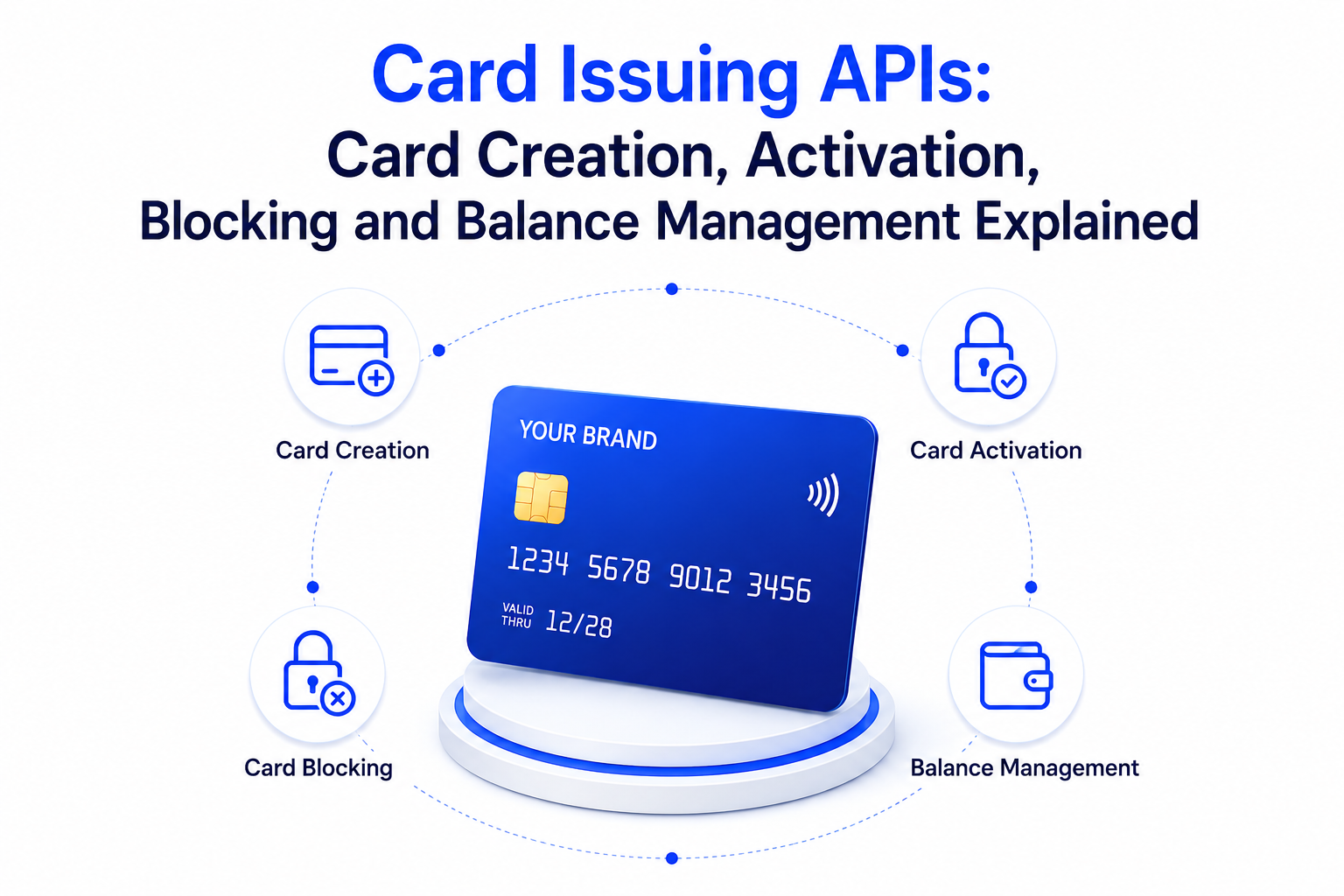
Modern card programs need more than the ability to issue physical or virtual cards. Businesses also need technology that allows them to manage cards, monitor balances, control access, and connect card functionality with their own platforms. This is where card issuing APIs become important. APIs can provide businesses with programmatic access to essential card functions, helping them integrate card management into their existing applications and operational systems. NetPay provides card issuing infrastructure with API capabilities covering card creation and issuance, activation and blocking, balance checks, transaction history, webhook notifications, spending limits, and reconciliation.
What Are Card Issuing APIs?
A card issuing API is a technology interface that allows a business or platform to interact with card infrastructure through software. Instead of managing every card function manually, businesses can connect their own systems to the card issuing platform and use supported API functions to perform specific actions. For example, a business may need to create a new card, activate an existing card, check its balance, or block it. Card issuing APIs can make these functions accessible within the business's own technology environment.
Card Creation and Issuance
One of the fundamental functions of a card issuing API is card creation and issuance. Businesses operating card programs may need to create cards for customers, employees, clients, or other users. API-based card issuing can help connect this process with an existing application or platform. NetPay's API capabilities include card creation and issuance, supporting businesses that want to manage card programs through integrated infrastructure. This can be particularly useful for businesses building fintech products where card functionality needs to work alongside their existing systems.
Card Activation
After a card is issued, it may need to be activated before it can be used. An API can provide businesses with a way to manage activation as part of their own workflows. Instead of requiring teams to handle every activation manually, supported API functionality can connect card activation with the platform's user or card management process. NetPay includes card activation and blocking among its API capabilities.
Card Blocking and Access Control
There are situations where a business may need to restrict card access. A card could need to be blocked because of operational requirements, suspicious activity, or other risk considerations. Card issuing APIs can provide a direct way to manage card status. NetPay supports card activation, blocking, and broader card controls including freeze, unfreeze, and cancellation. Spending limits can also be applied as part of card management. These controls can help businesses manage card programs more efficiently.
Balance Management
Knowing the available balance is another important part of card management. Businesses may need to check balances when managing cards, processing payments, or reviewing account activity. NetPay's card issuing APIs include balance checks, giving connected systems access to card balance information. The platform also supports transaction history and webhook notifications, which can help businesses maintain better visibility over card activity.
Spending Limits and Card Controls
Card issuing APIs can also support spending controls. For businesses managing corporate cards, platform payout cards, brokerage cards, or other card programs, spending limits can provide an additional layer of control over card usage. NetPay includes spending limits among its API capabilities. Its supported card controls also include freezing, unfreezing, cancellation, and spending limits.
Transaction History and Webhooks
Managing a card program requires visibility into transactions as well as card status. NetPay's API infrastructure includes transaction history and webhook notifications. These capabilities can help connected systems receive and work with card-related information as part of their own workflows. This can be valuable for businesses that want card activity to connect with their internal dashboards, reporting systems, or operational processes.
Reconciliation Through Card Infrastructure
Reconciliation is another important part of payment operations. Businesses need to compare and organize transaction and payment information to maintain accurate records. NetPay includes reconciliation among its API capabilities and provides reconciliation reports through its dashboard. Having reconciliation functionality alongside card issuing and transaction management can help businesses maintain a more connected operational environment.
How NetPay Supports Card Issuing
NetPay provides card issuing infrastructure for businesses that want to launch physical and virtual card programs. Its full-stack offering includes API access, dashboard functionality, reconciliation, and white-label support. The API layer supports card creation, activation, blocking, balance checks, transaction history, webhook notifications, spending limits, and reconciliation. This gives businesses a technology foundation for managing different aspects of their card programs through connected infrastructure.
Conclusion
Card issuing APIs play an important role in modern payment infrastructure by allowing businesses to integrate card functions into their own systems. From card creation and activation to blocking, balance checks, spending limits, transaction history, and reconciliation, APIs can make card management more connected and efficient. With NetPay, businesses can access card issuing infrastructure designed to support physical and virtual card programs along with API-based card management, dashboards, transaction monitoring, reconciliation, and card controls. For businesses building scalable fintech and payment products, choosing card infrastructure with the right API capabilities can be an important step toward creating a more integrated card program.
Why are spending limits important in card management?
Spending limits can help businesses establish controls around card usage and manage spending according to their operational requirements.
What can a card issuing API manage?
Depending on the provider, APIs can support functions such as card creation, activation, blocking, balance checks, transaction history, spending limits, webhooks, and reconciliation. NetPay supports these capabilities within its API infrastructure.
How does a card creation API work?
A card creation API allows a connected business system to request the creation or issuance of a card through the card issuing infrastructure.
Can APIs be used to activate or block cards?
Yes. NetPay's API capabilities include card activation and blocking, while its broader card controls include freeze, unfreeze, and cancellation.
Does NetPay provide card issuing APIs?
Yes. NetPay provides API access for card creation and issuance, activation and blocking, balance checks, transaction history, webhooks, spending limits, and reconciliation.

The NetPay247 team writes about card issuing, Virtual IBANs, cross-border payments and building products on embedded finance infrastructure.


Leave a reply
Your email address will not be published. Required fields are marked *