

Short answer
Discover what Forex brokers should look for in a payment infrastructure provider, from global payments and APIs to security, FX, and scalability.
For Forex brokers, payments are more than a way to move money. They are an important part of the overall trading experience. Traders expect deposits to be processed smoothly, withdrawals to be handled efficiently, and transactions to remain transparent throughout the process. However, managing payments across different countries, currencies, and payment methods can become complicated as a brokerage grows. Using disconnected systems may create reconciliation issues, operational delays, and limited visibility into transactions. This is why choosing the right payment infrastructure provider for Forex brokers is an important business decision. The right infrastructure can help brokers connect payment operations, manage international transactions, and build a more scalable financial setup.
1. Support for Global Payments and Payouts
Forex brokers often serve clients across multiple countries. Their payment requirements may include collecting deposits, processing withdrawals, and transferring funds across borders. A suitable payment infrastructure provider should support international payment flows and offer access to relevant payment networks. Features such as cross-border payments, global payouts, and multiple settlement currencies can help brokers manage transactions across different markets. Brokers should also understand which countries, currencies, and payment methods a provider actually supports before making a decision.
2. Multiple Currencies and FX Conversion
Currency conversion is another important consideration for international Forex businesses. A broker may need to manage funds in one currency while making payments or settling transactions in another. A well-connected payment infrastructure can help integrate foreign exchange conversion into the payment process. This can reduce the need to manage currency conversion separately across disconnected systems. When evaluating a provider, brokers should review supported currencies, conversion fees, exchange-rate transparency, and settlement options.
3. API Integration and Automation
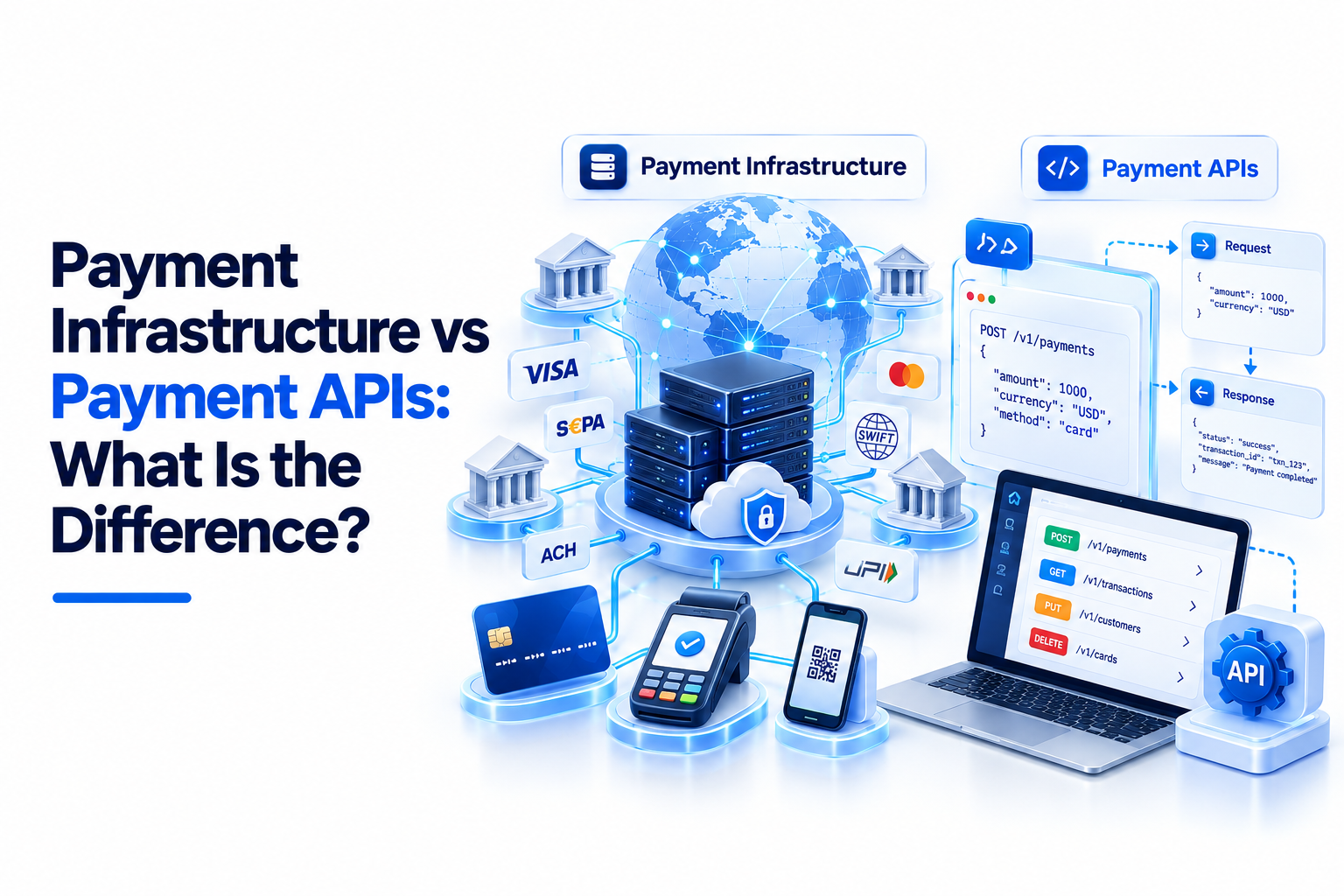
Payment operations become harder to manage when every provider uses a separate system. Manual processes can increase administrative work and make it difficult to maintain consistent transaction records. A payment infrastructure provider with API integration can help brokers connect payment services with their existing platforms, customer relationship management (CRM) systems, and back-office tools. APIs and webhooks can also help automate transaction updates, payment status tracking, and internal reconciliation workflows. Before choosing a provider, brokers should assess API documentation, integration requirements, testing environments, and available technical support.
4. Security, KYC and Compliance
Security is essential when handling financial transactions. Forex brokers need to consider how customer information is protected, how transactions are monitored, and how suspicious activity is identified. A provider should clearly explain its security controls, verification processes, access management, and transaction monitoring capabilities. Brokers must also understand the compliance responsibilities that apply to their own business and the jurisdictions in which they operate. Using a payment infrastructure provider does not automatically remove a broker's regulatory obligations. A clear understanding of KYC, KYB, AML, data protection, and applicable regulatory requirements helps businesses evaluate whether a provider fits their operating model.
5. Transparent Fees and Settlement Processes
Payment infrastructure costs can affect a brokerage's operational expenses. However, the lowest advertised transaction fee does not always mean the lowest overall cost. Forex brokers should examine transaction fees, FX conversion charges, payout costs, settlement timelines, minimum volumes, and potential additional fees. It is equally important to understand how failed or returned payments are reported and resolved. Clear transaction statuses and accessible records can help finance teams identify issues and reduce unnecessary manual work.
6. Real-Time Transaction Visibility
Brokers need reliable information about payment activity to manage their operations effectively. Without clear transaction records, it can be difficult to investigate delays, identify failed payments, or reconcile funds. Look for infrastructure that provides payment status updates, transaction reporting, and integration options for receiving event notifications. Better visibility helps operational teams understand where a payment stands and respond more efficiently when an issue occurs.
7. Scalability and Integration Flexibility
A payment setup that works for a small brokerage may not meet the needs of a growing business. As transaction volumes increase, brokers may need additional payment connections, new currency options, or more automated workflows. A scalable payment infrastructure should support future integration requirements without forcing the business to rebuild its entire payment setup. Brokers should also assess the provider's technical capabilities, onboarding requirements, service reliability, and ability to support their intended markets.
How NetPay Can Support Global Payment Operations
NetPay provides payment infrastructure designed to help businesses connect global payments, payouts, virtual accounts, and card-related capabilities through integrated solutions. For Forex brokers evaluating payment infrastructure, NetPay's global payments and global payouts solutions are relevant areas to explore. Its infrastructure supports international payment flows across 150+ countries, with access to multiple settlement currencies and API-based integration options. These capabilities can help businesses connect collection, currency conversion, payment delivery, and transaction tracking within their wider financial operations. Brokers should review the available services, supported jurisdictions, onboarding requirements, and commercial terms with NetPay to determine whether the solutions fit their specific brokerage model.
Final Thoughts
Choosing a payment infrastructure provider requires more than comparing transaction fees. Forex brokers should evaluate international payment coverage, currency support, APIs, security, compliance, settlement processes, transaction visibility, and scalability. The right setup can help reduce operational complexity and create a more connected payment environment as the brokerage grows. By assessing these factors carefully, Forex brokers can make a more informed decision and build payment operations that support their long-term business requirements.
What is a payment infrastructure provider for Forex brokers?
A payment infrastructure provider offers technology and payment capabilities that help businesses manage collections, transfers, payouts, currency conversion, and transaction data. The exact services available depend on the provider.
Why do Forex brokers need payment infrastructure?
Forex brokers need reliable payment processes to manage client deposits, withdrawals, international transfers, and transaction records. Connected infrastructure can help reduce manual work and improve payment visibility.
What features should Forex brokers look for in a payment provider?
Important features include global payment coverage, multiple currencies, API integration, security controls, transparent fees, transaction tracking, settlement visibility, and scalability.
How do APIs help Forex brokers manage payments?
APIs allow payment services to connect with brokerage platforms, CRM systems, and back-office software. Webhooks can deliver transaction status updates, helping teams automate workflows and monitor payment activity.
Can NetPay support international payment operations?
NetPay offers global payment and payout infrastructure designed to support international money movement, multiple settlement currencies, and API-based integration. Forex brokers should confirm the specific services and jurisdictions available for their business.

The NetPay247 team writes about card issuing, Virtual IBANs, cross-border payments and building products on embedded finance infrastructure.


Leave a reply
Your email address will not be published. Required fields are marked *