

Short answer
Learn how fintech businesses use APIs to connect cards, accounts, payments, and payouts, automate workflows, and improve financial operations.
Fintech businesses often rely on several financial services to deliver a complete customer experience. These may include card issuing, virtual accounts, international payments, payouts, and transaction management. When these services operate through separate systems, connecting them can become complex and time-consuming. Financial APIs help solve this challenge by allowing different applications and services to communicate with each other. Instead of building every financial function from scratch, fintech businesses can integrate existing services into a more connected platform.
Why API Integration Matters for Fintech Businesses
Managing separate providers can lead to disconnected data, manual processes, and limited transaction visibility. Integrating financial services through APIs helps businesses connect operations and automate routine tasks. For example, a fintech platform may need to receive funds into an account, issue a card, and provide transaction updates within its application. API integrations can help connect these steps and create a smoother operational workflow.
Key Financial Services Businesses Can Connect Through APIs
1. Card Issuing and Management
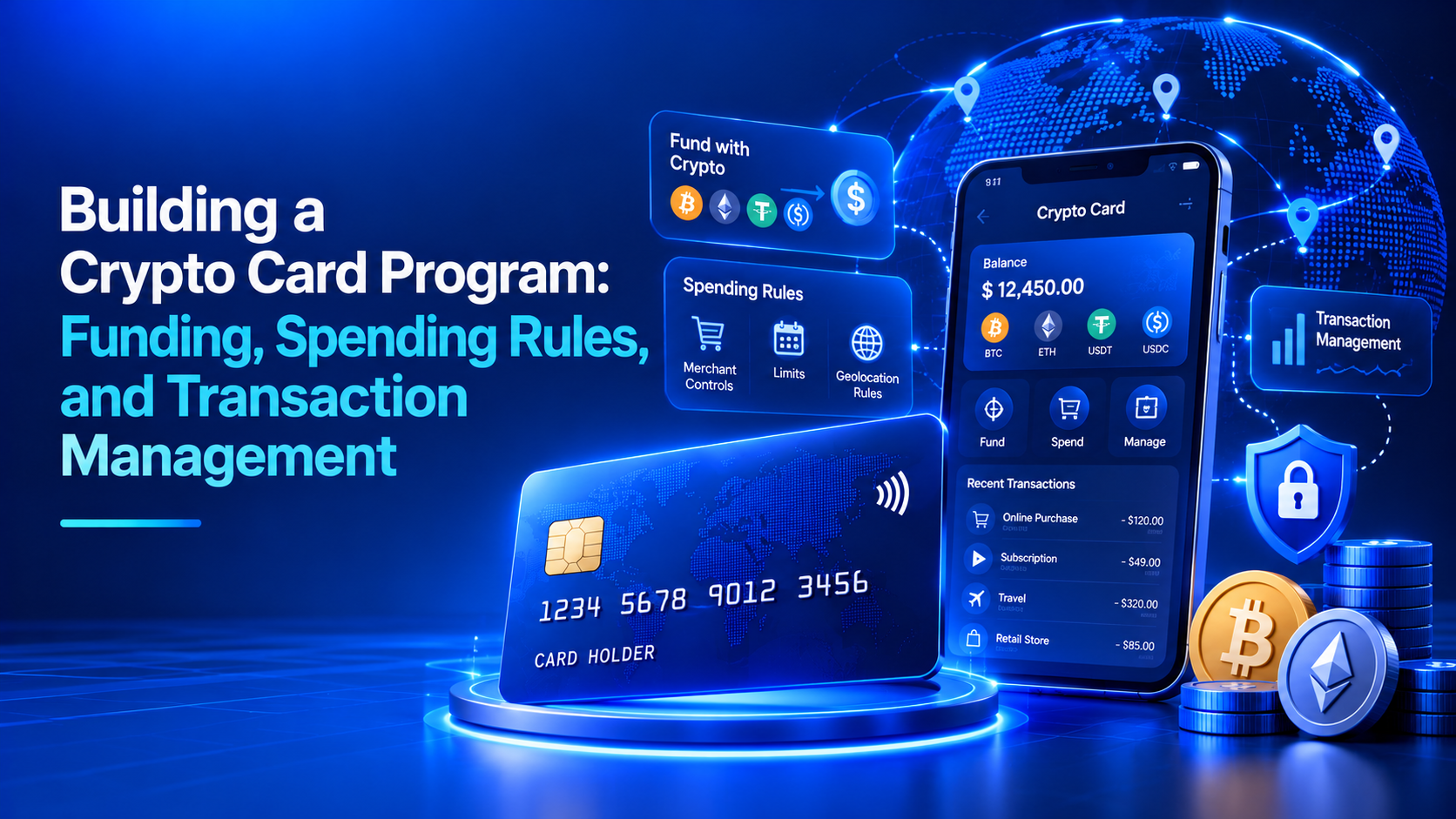
Card issuing APIs allow fintech businesses to integrate card creation and management into their applications. Depending on the provider, businesses can issue virtual or physical cards, apply spending controls, and manage card status.
2. Accounts and Payments
Account and payment APIs can help businesses connect incoming funds, account information, currency conversion, and outgoing transfers. This is particularly useful for fintech platforms serving customers across multiple markets.
3. Global Payouts
Payout APIs help businesses send money to employees, suppliers, customers, or other recipients programmatically. Webhooks can provide updates about payment progress, making it easier to track transactions and handle failed or returned payments.
4. Transaction Data and Reconciliation
Connecting transaction data with internal systems helps finance and operations teams monitor activity and match payment records. APIs and webhooks can reduce manual data entry and make reconciliation workflows more efficient.
Best Practices for Connecting Financial Services
Before integrating multiple financial services, fintech businesses should: Choose compatible APIs: Review documentation, available endpoints, and integration requirements. Plan data flows: Decide how transaction information moves between applications and internal systems. Use webhooks: Receive event-based updates for supported transactions and card activities. Prioritize security: Apply appropriate authentication, access controls, and data protection practices. Plan for failures: Include error handling, retries, and reconciliation processes. Consider scalability: Choose an integration approach that can support new products and growing transaction volumes. A successful integration depends not only on connecting APIs but also on designing reliable workflows and understanding each provider's capabilities.
How NetPay Helps Connect Financial Services
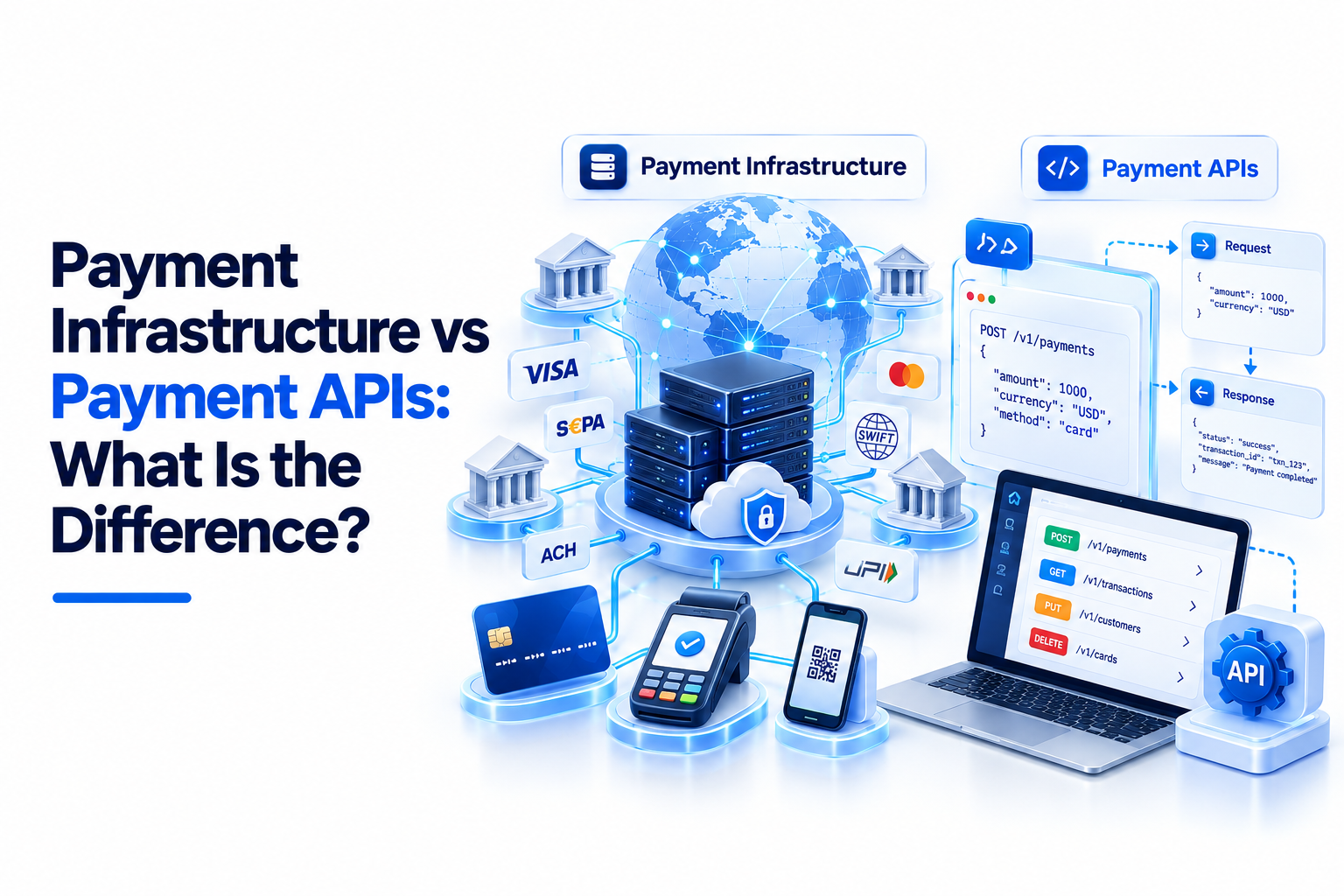
NetPay provides payment infrastructure and API-based solutions that fintech businesses can explore to connect multiple financial functions through one platform. Its offerings include white-label Visa and Mastercard card programs, virtual IBANs, global payments, and global payouts. REST APIs and webhooks help businesses integrate supported services into their applications and receive transaction updates. By connecting relevant capabilities through a shared infrastructure, fintech businesses can reduce the need to manage every financial function separately. The available services, supported markets, and integration requirements should be confirmed based on each business's needs.
Conclusion
Connecting multiple financial services through APIs helps fintech businesses build more integrated products, automate workflows, and improve transaction visibility. By selecting suitable APIs, planning data flows, and preparing for security and operational requirements, businesses can create a flexible foundation for future growth. NetPay offers API-based payment infrastructure that businesses can evaluate when connecting cards, accounts, payments, and payouts within their financial products.
What are financial APIs?
Financial APIs allow applications to communicate with financial services, such as card issuing, payments, accounts, and payouts.
Why do fintech businesses use API integration?
API integration helps fintech businesses connect systems, automate processes, exchange transaction data, and build financial features without developing every capability independently.
What financial services can be connected through APIs?
Depending on the provider, businesses can integrate card issuing, accounts, payments, payouts, currency conversion, and transaction reporting.
What is the role of webhooks in fintech integrations?
Webhooks send event-based notifications when supported activities occur, such as payment status changes, card events, or transaction updates.
How does NetPay support fintech API integration?
NetPay offers API-based infrastructure for card issuing, virtual IBANs, global payments, and payouts. Businesses can explore its services to determine which integrations fit their requirements.

The NetPay247 team writes about card issuing, Virtual IBANs, cross-border payments and building products on embedded finance infrastructure.

Leave a reply
Your email address will not be published. Required fields are marked *