
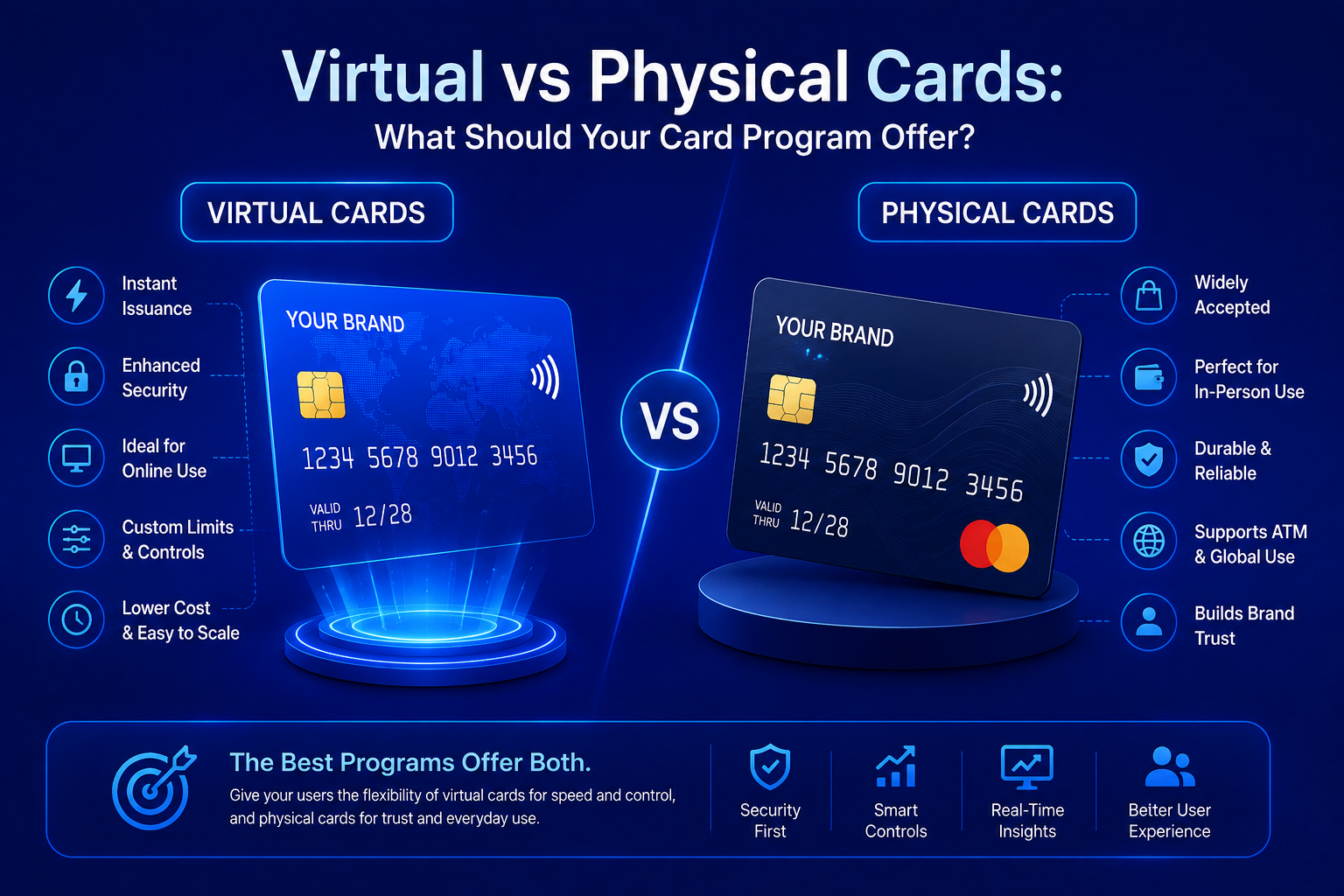
Short answer
Compare virtual and physical cards for a modern card program, including issuing speed, delivery, cost, use cases, spending controls, and when offering both makes sense.
One of the first practical decisions in a card program is deciding what customers actually receive. Some businesses launch with virtual cards only, some assume a physical card is essential, and many end up offering both without having planned for it.
The choice affects onboarding, cost, delivery times, support workload, and how quickly customers can start spending. It is worth making deliberately rather than defaulting to whichever option feels more familiar.
This guide looks at what separates the two, where each one fits, and how businesses can decide what their card program should offer.
What Actually Separates the Two
Both card types usually sit on the same underlying account, the same card management system, and the same transaction rails. A virtual card is not a lesser product; in most modern programs it is the same card without the plastic.
The meaningful differences are in how the card reaches the customer and where it can be used:
- Delivery — a virtual card appears in the application, a physical card has to be produced and shipped
- Time to first transaction — instant versus a delivery window
- Acceptance — online and in-app everywhere, versus in-person and ATM use as well
- Replacement — reissued digitally, versus reprinted and posted again
- Cost per card — no production or logistics, versus manufacturing and shipping
Everything else, including controls, monitoring, statements, and reconciliation, generally works the same way across both.
Where Virtual Cards Fit Best
Virtual cards suit any use case where spending happens online and speed matters more than a physical object.
- Online purchases and subscriptions
- Business and employee expenses
- Advertising and media spend
- Marketplace and platform payouts
- Single-use or limited-purpose cards for controlled spending
- Testing a card program before committing to production runs
Because there is no production step, a virtual card can be created, frozen, replaced, or cancelled without any physical logistics. For a business issuing thousands of cards, that difference compounds quickly across cost and support workload.
Virtual cards are also easier to scope. Issuing a separate card per vendor, per campaign, or per employee is practical when each one costs nothing to produce.
Where Physical Cards Still Matter
Physical cards remain important wherever customers need to spend in person.
- In-store and point-of-sale purchases
- ATM withdrawals
- Travel and expense use across regions with lower digital wallet adoption
- Consumer products where a branded card is part of the customer relationship
There is also a brand consideration. A physical card carries the business's design and remains visible in a way a virtual card does not. For consumer-facing programs, that can matter as much as the payment functionality.
The trade-off is operational. Production, shipping, address verification, delivery failures, and replacements all become part of running the program.
Issuing Speed Is the Biggest Practical Gap
The clearest difference customers notice is how long they wait before they can spend.
A virtual card can be issued and used almost immediately after the cardholder is verified. A physical card involves production and delivery, which means a gap between signup and first transaction.
This is why many programs that ultimately ship physical cards still issue a virtual card first. The customer can start using the account straight away, and the physical card arrives afterwards as an addition rather than a prerequisite.
Cost and Operational Differences
Virtual cards remove manufacturing, packaging, and shipping from the cost model. They also remove a category of support work: lost cards in transit, undelivered post, and address corrections.
Physical cards add those costs, and they scale with volume rather than staying flat. Businesses planning large cardholder bases should model this early, particularly for international programs where shipping costs and delivery times vary by market.
Card replacement is worth modelling too. A compromised virtual card can be cancelled and reissued in the same session. A compromised physical card leaves the customer waiting.
Controls and Security Work the Same Way
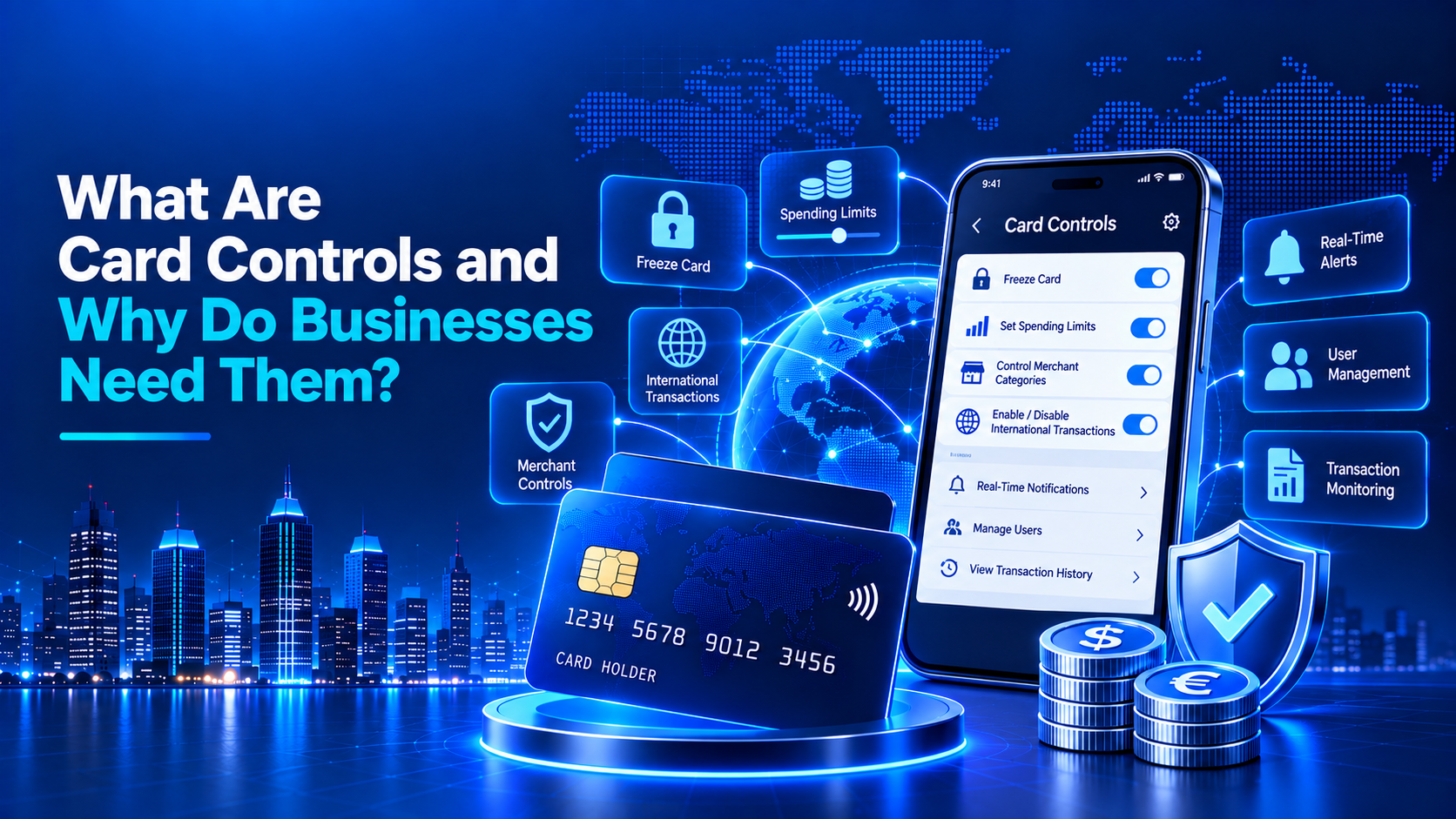
A common assumption is that virtual cards are less secure or less manageable. In practice, the control layer is shared.
Card status changes, spending limits, transaction monitoring, and blocking apply to both card types. NetPay's documented card controls include freeze, unfreeze, cancellation, and spending limits, and its infrastructure includes real-time transaction monitoring, suspicious activity detection, card blocking, and program suspension.
If anything, virtual cards give operational teams more room to act, because remediation does not depend on posting a new card.
Most Programs End Up Offering Both
For many businesses the question is less virtual or physical and more which comes first.
A practical approach is to start with virtual cards, confirm that onboarding, funding, controls, and reconciliation work as expected, and add physical cards once the program is running and demand is understood.
What matters is that both card types are managed through the same infrastructure. When virtual and physical cards live in separate systems, businesses end up reconciling two sets of records, maintaining two integrations, and giving support teams two places to look.
How NetPay Supports Both Card Types
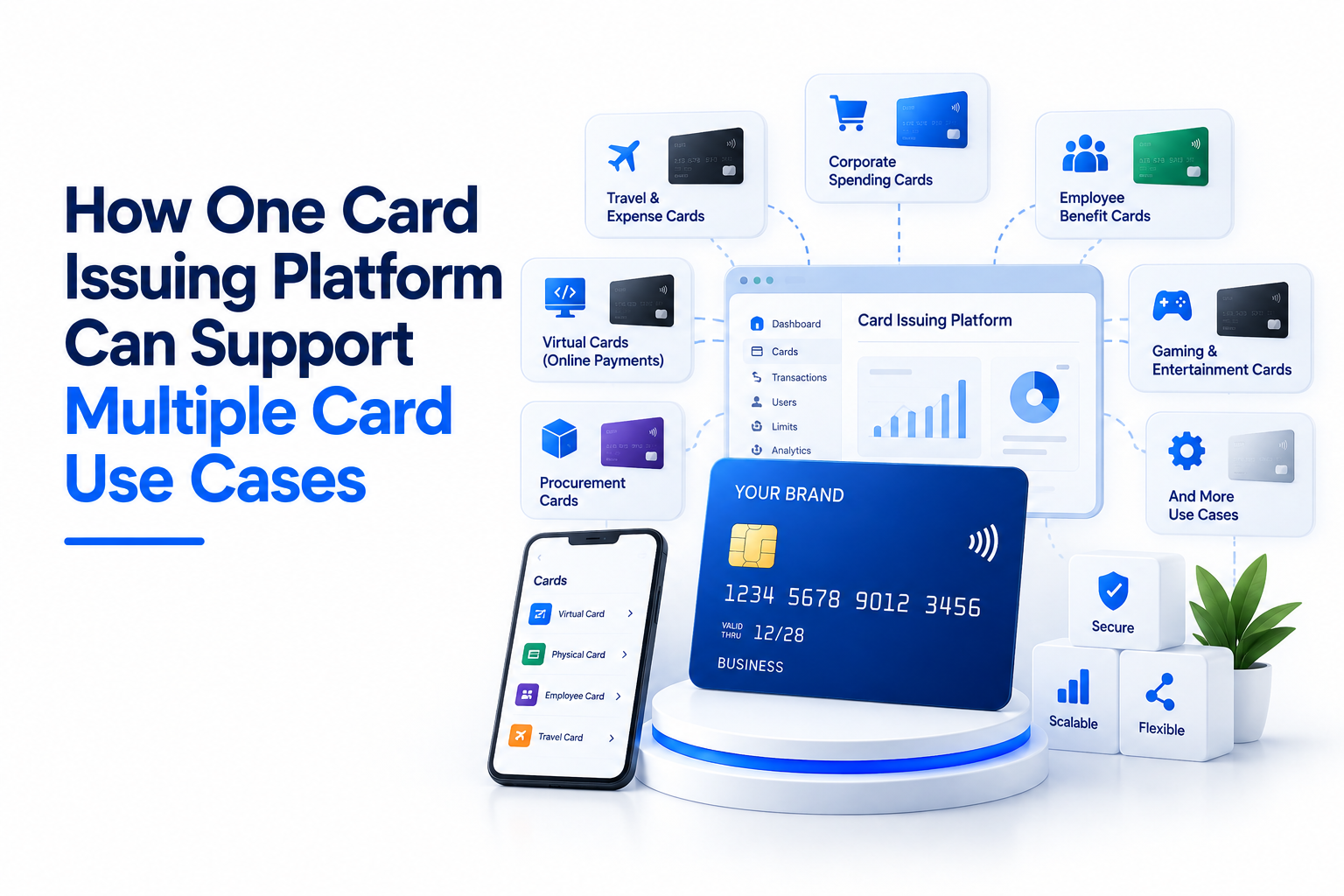
NetPay provides card issuing infrastructure that covers virtual and physical Visa and Mastercard products through one platform, with fully white-label card designs and support across 150+ countries.
Both card types are issued and managed through a single unified API, so businesses do not need separate integrations for each. NetPay's published platform figures include virtual card issuance in under 100ms and physical card delivery within 48 hours, on PCI DSS Level 1 certified infrastructure.
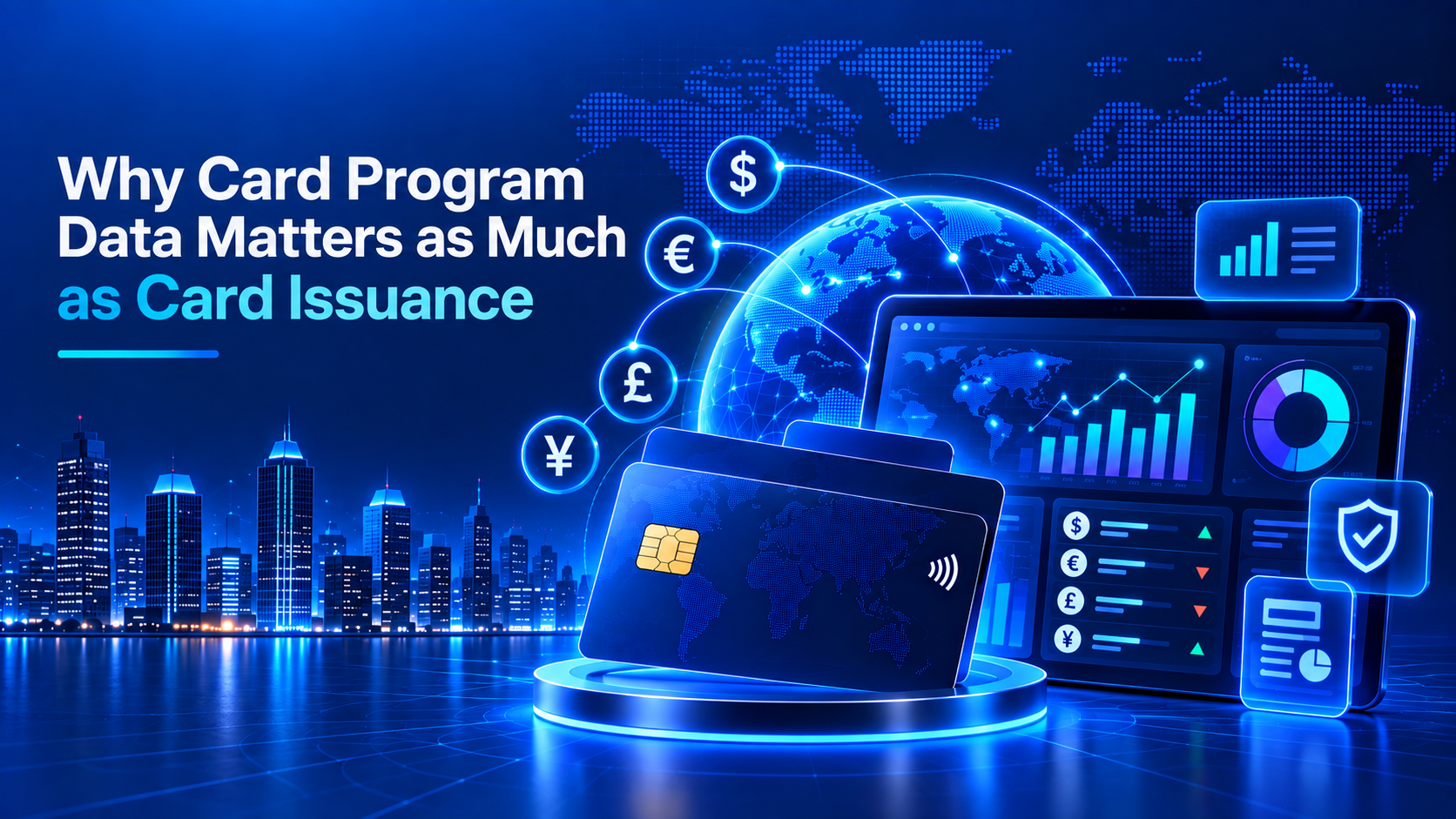
Card management, spending controls, transaction monitoring, load history, spending reports, and reconciliation reporting are available through the dashboard and API for both, which keeps the operational picture in one place as a program grows.
Final Thoughts
Virtual and physical cards are not competing options so much as different delivery formats for the same product.
Virtual cards win on speed, cost, and operational flexibility. Physical cards remain necessary for in-person spending and carry more brand presence. Most programs benefit from both, introduced in the order that matches how customers actually use the product.
The more important decision is the infrastructure underneath. If one platform can issue, control, monitor, and reconcile both card types, the choice between them stops being a structural commitment and becomes something the business can adjust as it learns what its customers need.
What is the difference between a virtual card and a physical card?
Both usually sit on the same account and card management system. A virtual card is delivered digitally in the application and used online, while a physical card is produced and shipped and can also be used in person and at ATMs.
Are virtual cards less secure than physical cards?
No. Spending limits, card status changes, transaction monitoring, and blocking apply to both. Virtual cards can also be cancelled and reissued immediately, which can make it faster to respond to suspicious activity.
How quickly can a virtual card be issued?
A virtual card can generally be issued and used shortly after the cardholder is verified. NetPay's published platform figures include virtual card issuance in under 100ms.
How long does a physical card take to arrive?
It depends on the provider and destination market. NetPay's published figures include physical card delivery within 48 hours, though timelines can vary by region.
Should a new card program start with virtual or physical cards?
Many programs start with virtual cards because they remove production and shipping from the launch, then add physical cards once onboarding, funding, controls, and reconciliation are working as expected.
Can virtual and physical cards be managed through the same system?
Yes. NetPay issues and manages both card types through a single unified API and dashboard, so businesses do not need separate integrations or separate reconciliation processes for each.

The NetPay247 team writes about card issuing, Virtual IBANs, cross-border payments and building products on embedded finance infrastructure.
Leave a reply
Your email address will not be published. Required fields are marked *