
Short answer
Learn how risk controls, compliance reviews, transaction monitoring, and card controls support secure and scalable crypto-funded card programs.
Crypto-funded card programs are creating new opportunities for fintech companies, brokers, marketplaces, and digital businesses. By connecting crypto-supported funding with card payments, businesses can offer customers a more flexible way to access and use funds.
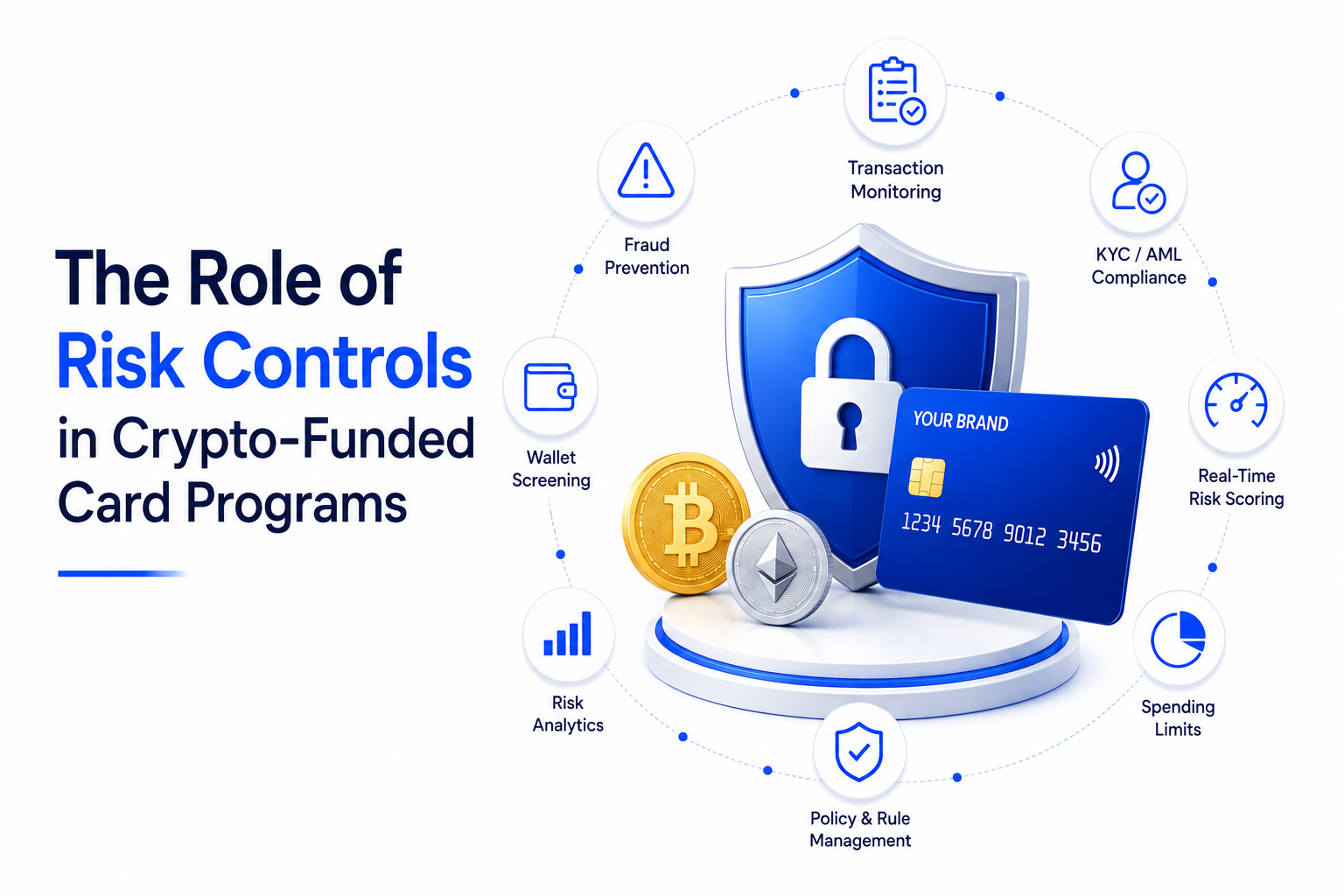
However, crypto-funded card programs also require strong risk controls. Businesses need processes to review funding activity, monitor transactions, manage suspicious activity, and protect the overall card program.
For companies building crypto-funded cards, risk management should be part of the infrastructure from the beginning.
Why Risk Controls Matter
Risk controls help businesses identify and manage potentially risky activity throughout the card program.
This can include reviewing the source of funds, monitoring transactions, placing holds on certain activities, requesting additional documentation, and blocking cards when necessary.
For example, NetPay's documented crypto loading process includes receiving USDT through approved rails, followed by compliance and risk review before the balance is credited to the card program.
This type of review can provide an additional layer of control before crypto-funded balances become available for card spending.
Source of Funds and Compliance Reviews
Understanding where funds come from is an important part of a crypto-funded card program.
Businesses may need to collect relevant business and ownership information and verify the source of funds as part of their compliance processes.
NetPay's compliance framework includes KYB/KYC onboarding, shareholder and UBO documentation, and source of funds verification.
Clear compliance procedures can help businesses establish a more structured approach to accepting and reviewing crypto-funded activity.
Transaction Monitoring
Risk management does not stop once a card has been funded.
Ongoing transaction monitoring can help businesses identify unusual or suspicious card activity. This becomes particularly important as the number of cardholders and transactions increases.
NetPay's infrastructure includes real-time transaction monitoring, suspicious activity detection, card blocking, and program suspension capabilities.
These capabilities can help businesses respond when payment activity requires additional review.
Transaction Holds and Loading Reviews
Not every funding request or transaction needs to be processed immediately.
In certain situations, businesses may need additional information before completing an activity. Risk controls can support this through transaction holds, loading reviews, document requests, or settlement delays.
NetPay's documented risk framework includes these measures for risk mitigation.
This gives businesses more flexibility when dealing with activity that requires further assessment.
Card-Level Controls
Risk controls can also operate at the individual card level.
Businesses may need to temporarily stop a card, cancel it, or restrict spending when unusual activity is detected.
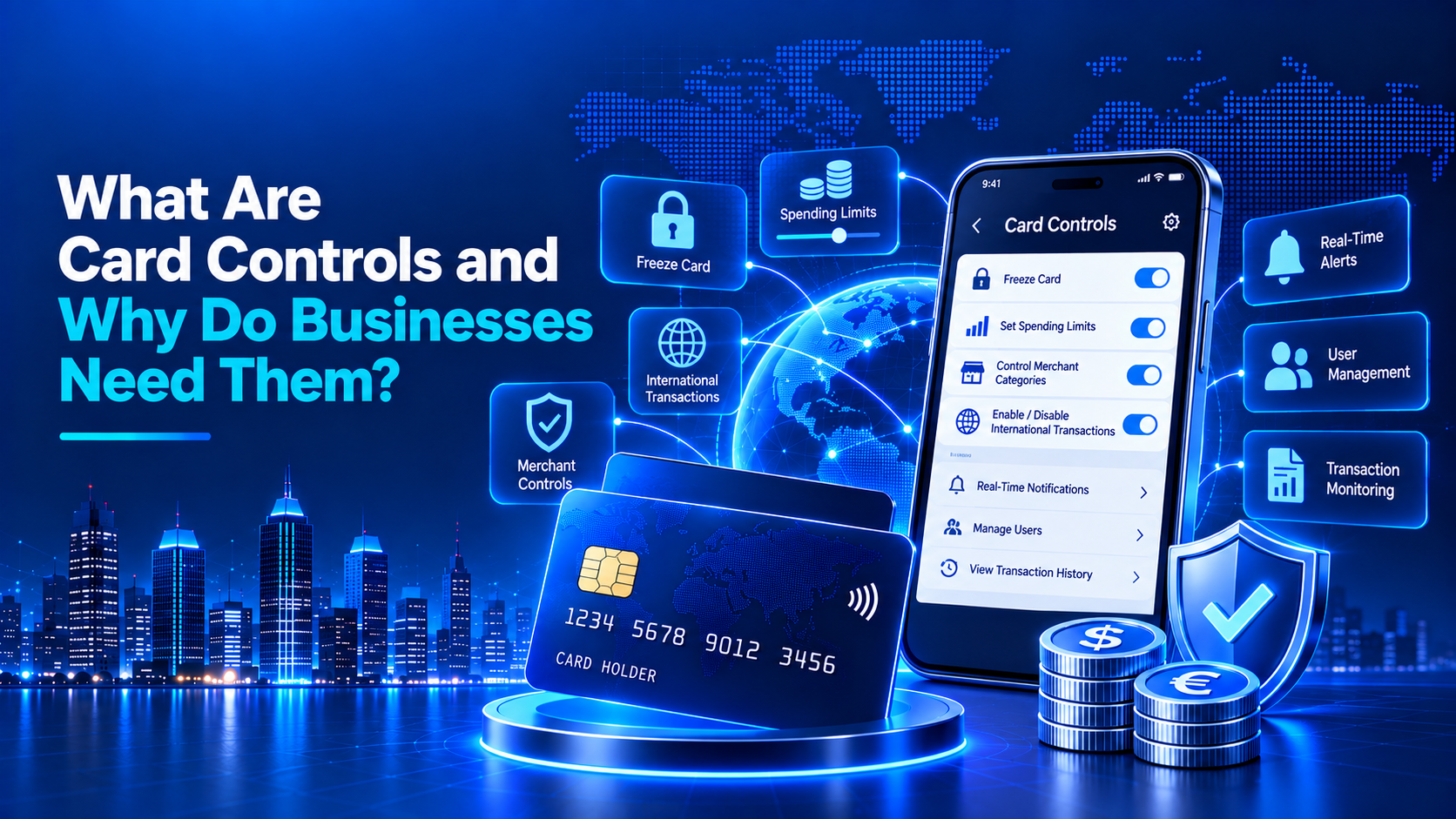
NetPay supports freeze, unfreeze, cancellation, and spending limits as part of its card controls.
When combined with transaction monitoring, these controls can give operational teams additional ways to manage card activity.
Managing Risk as the Program Grows
Risk management becomes more important as a card program scales.
A growing program can involve more cardholders, higher transaction volumes, and more funding activity. Businesses therefore need infrastructure that provides visibility across cards, transactions, and loads.
NetPay's dashboard includes card status, cardholder management, transaction monitoring, load history, spending reports, user management, and reconciliation reports.
API capabilities also include transaction history, webhook notifications, spending limits, and reconciliation, helping businesses connect card operations with their existing technology.
Clearly Define Responsibilities
Businesses should also understand who is responsible for each part of the compliance process.
The client remains responsible for end-user KYC, while NetPay provides supporting tooling.
Clearly defining responsibilities between the business, issuing partners, and infrastructure providers can help avoid gaps in operational and compliance processes.
Final Thoughts
Crypto-funded card programs can provide businesses with new ways to connect digital assets and card payments. But successful implementation requires more than crypto loading and card issuance.
Risk controls, compliance reviews, transaction monitoring, card controls, and ongoing operational oversight all play an important role.
NetPay's documented infrastructure combines crypto loading with compliance and risk review, transaction monitoring, card controls, and API and dashboard capabilities.
For businesses planning to launch or scale crypto-funded card programs, building risk controls into the infrastructure from the beginning can create a more structured and manageable payment operation.
What are risk controls in crypto-funded card programs?
Risk controls are processes used to review funding activity, monitor transactions, identify suspicious behavior, and manage potentially risky activity.
Why are risk controls important for crypto-funded cards?
They help businesses review funding activity, monitor transactions, manage unusual behavior, and apply appropriate controls throughout the card program.
How does NetPay manage crypto loading?
NetPay's documented process includes receiving USDT through approved rails, followed by compliance and risk review before the balance is credited to the card program.
What risk controls does NetPay provide?
NetPay's documented framework includes transaction monitoring, suspicious activity detection, card blocking, program suspension, transaction holds, loading reviews, document requests, and settlement delays.
Does NetPay support card spending controls?
Yes. Its documented card controls include freeze, unfreeze, cancellation, and spending limits.

The NetPay247 team writes about card issuing, Virtual IBANs, cross-border payments and building products on embedded finance infrastructure.
Leave a reply
Your email address will not be published. Required fields are marked *