
Short answer
Explore the future of crypto-linked debit cards — how they work, why adoption is growing, the card issuing infrastructure behind them, and how NetPay bridges crypto and global payments.
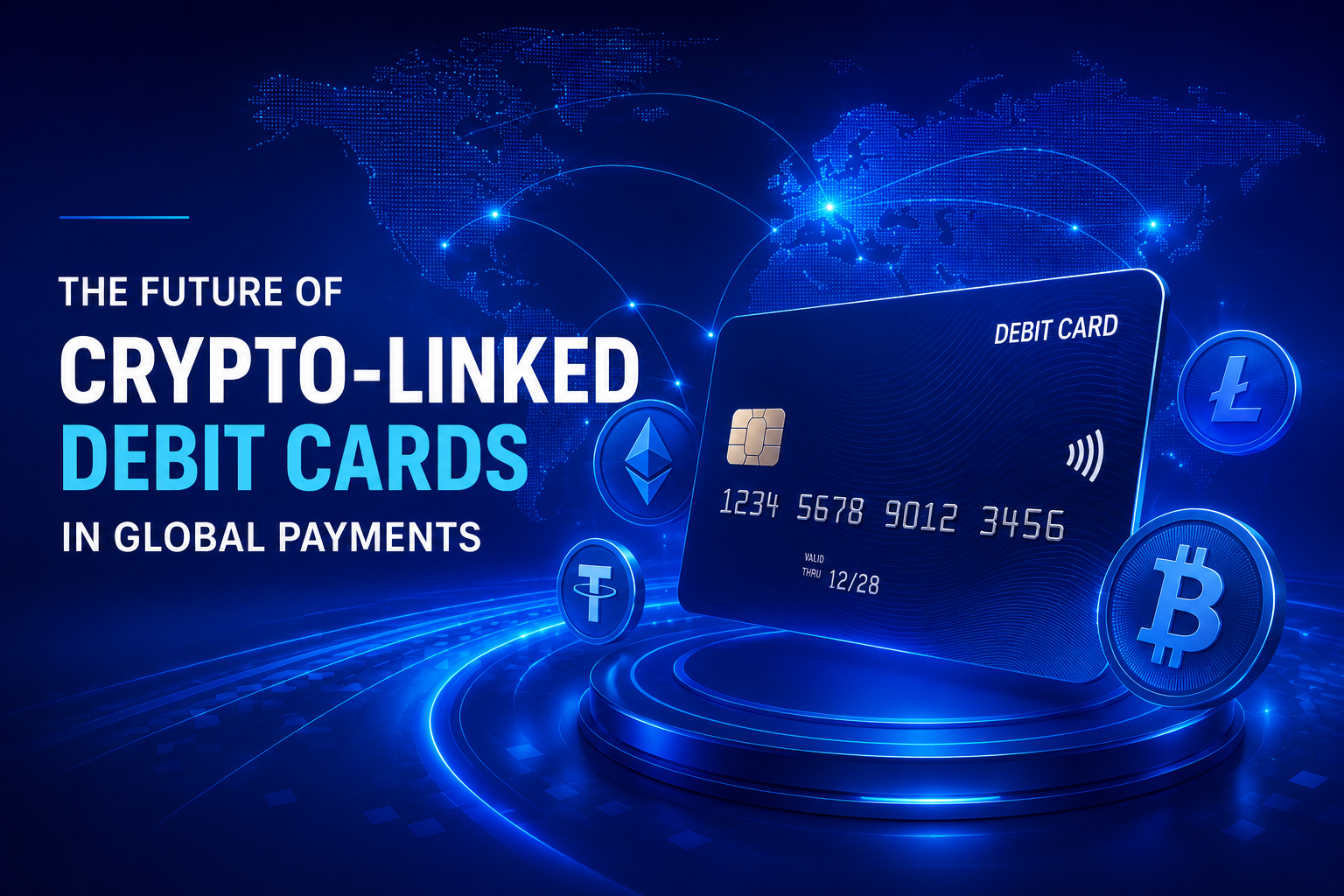
The global payments industry is undergoing a major transformation. Traditional banking systems are being reshaped by digital assets, blockchain infrastructure, and embedded finance solutions. One of the most significant outcomes of this shift is the rise of crypto-linked debit cards—a bridge between decentralized assets and real-world spending.
Platforms like NetPay are already enabling this transition by combining Visa/Mastercard card infrastructure with crypto-based funding rails, allowing users to spend digital assets in everyday transactions.
But what does the future of crypto-linked debit cards actually look like?
From Crypto Holding to Crypto Spending
In the early days of crypto, digital assets were mainly seen as investment instruments. Users held Bitcoin, Ethereum, or stablecoins like USDT as stores of value. However, the next evolution is clear: crypto is becoming spendable money.
Crypto-linked debit cards allow users to:
- Convert crypto into fiat instantly at checkout
- Pay at any Visa or Mastercard merchant globally
- Withdraw funds from ATMs (where enabled)
- Use digital assets for everyday expenses
This removes the biggest limitation of crypto today—lack of real-world usability.
How Crypto Debit Cards Actually Work
At a technical level, crypto-linked debit cards are not "direct crypto payments." Instead, they are a conversion layer between blockchain and traditional card networks. The flow looks like this:
- User loads card using crypto (e.g., USDT)
- Platform converts crypto into fiat balance
- Card is funded in USD or equivalent currency
- User spends via Visa/Mastercard network
- Merchant receives fiat settlement
This model ensures compatibility with global payment infrastructure while leveraging the speed and flexibility of crypto rails.
Why Crypto-Linked Cards Are Growing Rapidly
Several macro trends are driving adoption:
- Globalization of Digital Work — Freelancers, remote workers, and digital businesses need borderless payment solutions.
- Faster Settlement Expectations — Crypto allows near-instant funding compared to traditional banking delays.
- Rise of Stablecoins — USDT and similar assets provide price stability, making them ideal for payments.
- Demand for Financial Flexibility — Users want to move between crypto and fiat seamlessly without banking restrictions.
Role of Card Issuing Infrastructure
Behind every crypto-linked debit card is a powerful card issuing system. Companies like NetPay provide the backbone:
- Visa/Mastercard card issuance
- Crypto loading infrastructure
- USD-based account systems
- API-driven card management
- Fraud and compliance monitoring
- White-label card programs
This infrastructure ensures that crypto spending behaves like traditional card usage in real-world environments.
The Shift Toward Embedded Crypto Payments
The future is not just standalone crypto cards—it is embedded financial systems. Instead of users manually converting crypto, we will see:
- Crypto wallets directly connected to card systems
- Instant on-demand fiat conversion at transaction time
- Smart routing between crypto and fiat balances
- Automated compliance checks in real time
This creates a seamless experience where users don't even notice the conversion happening in the background.
The Rise of White-Label Crypto Card Programs
A major trend in 2026 is the rise of white-label fintech infrastructure. Instead of building systems from scratch, businesses can launch:
- Branded crypto debit cards
- Corporate expense programs
- Marketplace payout cards
- Brokerage and fintech card systems
This allows startups and enterprises to enter the payments ecosystem without becoming banks.
Use Cases Driving Real Adoption
Crypto-linked debit cards are already being used in:
- Brokerage payouts and trading platforms
- Affiliate marketing and advertising spend
- Global contractor payments
- Digital nomad expense management
- Fintech and neobank ecosystems
These use cases prove that crypto is not just speculative—it is becoming operational financial infrastructure.
Challenges Ahead
Despite rapid growth, several challenges remain:
- Volatility (for non-stablecoin assets)
- Regulatory uncertainty in some regions
- Banking partnerships and BIN sponsorship complexity
- Fraud prevention and transaction monitoring
- Liquidity management for issuers
The future success of crypto debit cards depends on solving these at scale.
The Future Outlook
Over the next few years, crypto-linked debit cards are expected to evolve into:
- Fully integrated hybrid wallets (crypto + fiat in one balance)
- AI-powered spending optimization systems
- Real-time FX conversion engines
- Global borderless payment identities
- Embedded financial layers inside apps and platforms
Ultimately, the line between crypto and traditional finance will continue to blur. Platforms like NetPay are positioned at the center of this transformation by connecting blockchain liquidity with global card networks like Visa and Mastercard.
Conclusion
Crypto-linked debit cards represent one of the most practical applications of blockchain technology in everyday life. They solve a simple but powerful problem: how to turn digital assets into real-world spending power.
As infrastructure, compliance, and liquidity systems continue to improve, these cards will become a standard financial tool—bridging the gap between decentralized finance and global payment networks. The future is not crypto vs banking. It is crypto integrated into banking—seamlessly, invisibly, and globally.

The NetPay247 team writes about card issuing, Virtual IBANs, cross-border payments and building products on embedded finance infrastructure.


Leave a reply
Your email address will not be published. Required fields are marked *