
Short answer
Discover how modern card infrastructure supports multi-use payment programs through flexible card issuing, APIs, spending controls, reporting, and scalability.
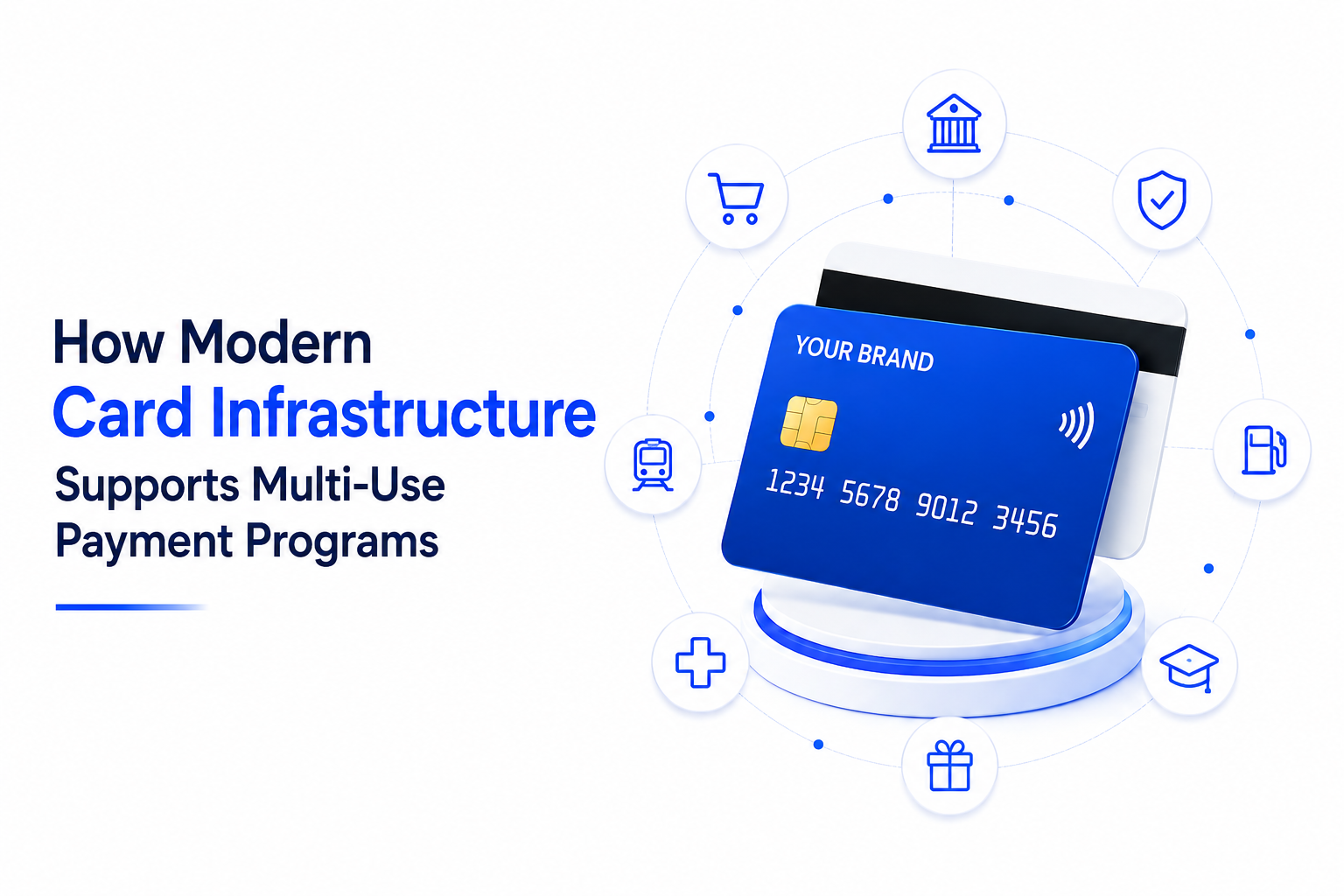
Businesses today often need payment solutions that can support more than one use case. A single card program may need to handle employee expenses, vendor payments, advertising spend, customer payouts, brokerage-related payments, or digital banking services. This is where modern card infrastructure becomes valuable. Instead of building separate systems for every payment requirement, businesses can use flexible card issuing infrastructure to support multiple programs through connected technology, card controls, APIs, and reporting tools.
What Are Multi-Use Payment Programs?
A multi-use payment program is a card or payment infrastructure designed to support different business payment requirements within one broader ecosystem. For example, a business may need cards for team expenses while also providing payment cards to customers, vendors, or platform users. The underlying infrastructure needs to manage different cardholders, balances, transactions, and controls without creating unnecessary operational complexity. NetPay's card issuing infrastructure supports several use cases, including corporate cards, platform payout cards, brokerage cards, advertising spend cards, white-label programs, and neobank cards.
One Infrastructure, Multiple Payment Use Cases
One of the biggest advantages of modern card infrastructure is flexibility. Businesses can use physical and virtual cards for different purposes depending on their operational requirements. Physical cards can support point-of-sale spending, while virtual cards can be useful for online payments, vendor expenses, advertising, and platform payouts. This flexibility allows businesses to build payment programs around specific user groups rather than forcing every customer or employee into the same payment model.
Corporate and Employee Spending
Corporate cards can help businesses manage employee and team expenses. Instead of relying entirely on reimbursements or individual payment methods, companies can issue dedicated cards and apply spending controls based on their requirements. Features such as spending limits and card management can provide greater visibility and control over business spending.
Platform and Marketplace Payments
Digital platforms may need to make payments to vendors, partners, or other users. Platform payout cards can provide another way to structure these payment flows. A flexible card infrastructure can help platforms manage card issuance and related transactions through connected systems.
Advertising Spend
Businesses that manage significant digital advertising activity may also benefit from dedicated payment cards. Virtual cards can be used for online and digital spending, allowing businesses to separate certain payment activities and gain better visibility into transactions.
Brokerage and Fintech Programs
Brokerages and fintech businesses can also use card programs as part of their broader customer offering. The infrastructure can support branded card programs while providing tools for cardholder management, transaction monitoring, reporting, and spending controls.
API Integration Makes Multi-Use Programs Easier to Manage
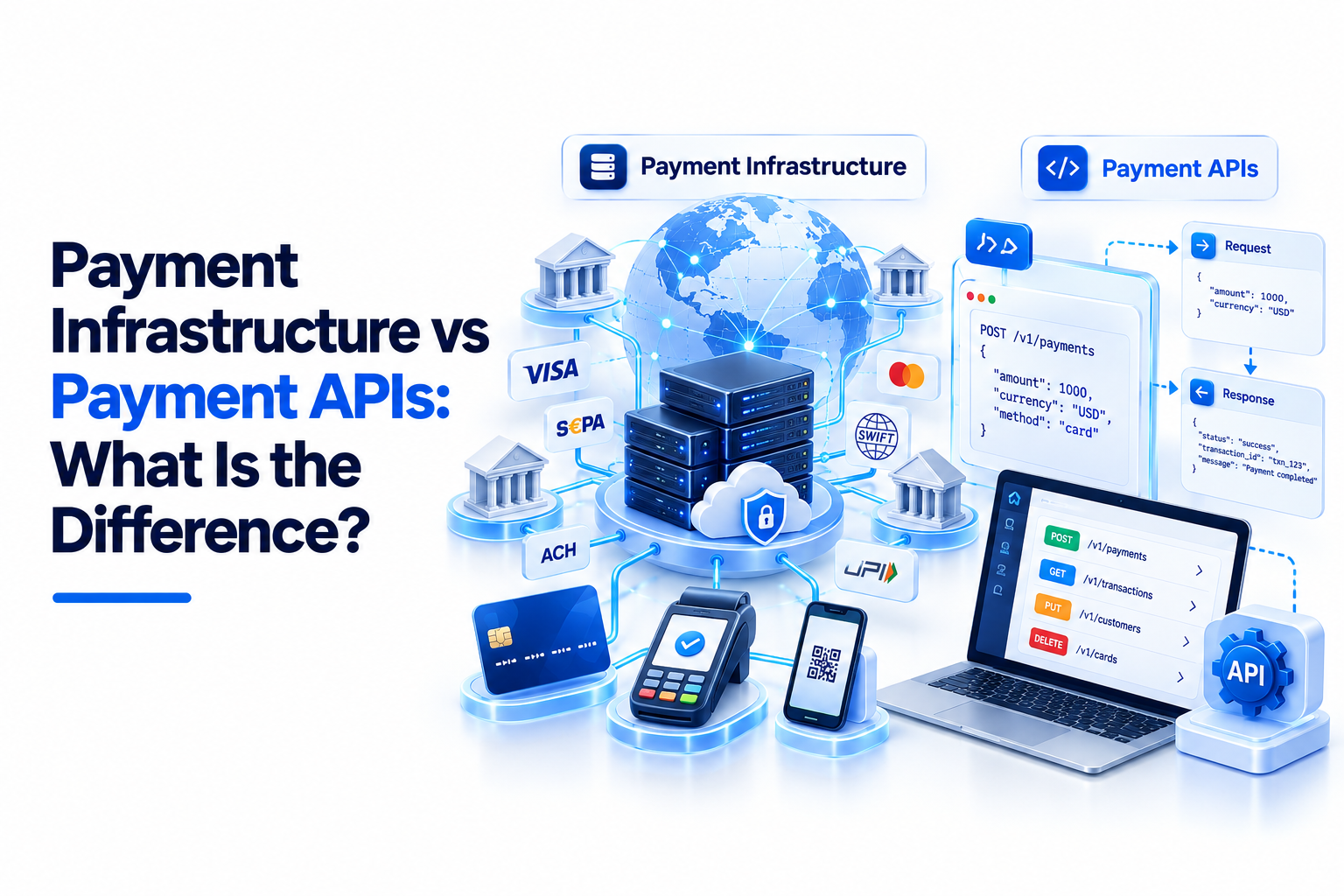
Technology plays a major role when multiple payment use cases are operating through the same infrastructure. APIs can connect card issuing capabilities with a company's existing platform. Depending on the infrastructure, businesses can use APIs for card creation, activation, blocking, balance checks, transaction history, spending limits, notifications, and reconciliation. This can reduce the need for manual processes and allow businesses to integrate card functionality directly into their own applications. For multi-use programs, this becomes particularly important because different cardholders and payment activities may need to be managed from connected systems.
Centralized Card Management
Managing multiple payment programs can become complicated if every program requires a separate operational process. A centralized card management environment can provide visibility across cardholders, card status, transactions, loads, and spending reports. NetPay's dashboard capabilities include cardholder management, transaction monitoring, load history, spending reports, user management, and reconciliation reports. This type of visibility can help operational teams manage different payment activities more efficiently.
Spending Controls and Risk Management
Multi-use payment programs also require strong controls. Different cardholders may have different spending requirements. Businesses may therefore need tools to freeze or unblock cards, cancel cards, apply spending limits, and monitor transactions. Modern infrastructure can also incorporate risk controls such as transaction holds, loading reviews, suspicious activity detection, and card blocking. These controls are especially important when one infrastructure supports multiple types of users and payment activity.
Supporting Branded Payment Experiences
Multi-use payment infrastructure does not necessarily mean every program has to look the same. White-label capabilities allow businesses to create branded card experiences for their customers or users. Custom artwork, branding, and personalization can be incorporated into card programs, subject to network approval. This can be useful for fintechs, platforms, brokerages, and other businesses that want payment products to become part of their own brand experience.
Final Thoughts
Modern card infrastructure can give businesses the flexibility to support multiple payment use cases through a connected ecosystem. From corporate spending and marketplace payouts to advertising payments, brokerage cards, white-label programs, and neobank products, different payment requirements can be supported through flexible card issuing infrastructure. The key is choosing infrastructure that combines physical and virtual card issuing, APIs, card management, spending controls, reporting, reconciliation, security, and scalability. For businesses planning to expand their payment capabilities, a multi-use approach can provide a more flexible foundation for building and managing modern card programs.
What is a multi-use payment program?
It is a payment setup designed to support multiple use cases, such as corporate spending, payouts, advertising, or customer payments.
How does modern card infrastructure support multiple use cases?
It combines card issuing, APIs, card management, spending controls, reporting, and reconciliation within a connected infrastructure.
Can one card infrastructure support physical and virtual cards?
Yes. Infrastructure can support both card types for different business and customer payment requirements.
Why are APIs important for multi-use card programs?
APIs allow businesses to connect card functionality with their existing platforms and automate various card management processes.
How do spending controls help multi-use programs?
They allow businesses to manage how cards are used through tools such as spending limits, freezing, blocking, and cancellation.

The NetPay247 team writes about card issuing, Virtual IBANs, cross-border payments and building products on embedded finance infrastructure.

Leave a reply
Your email address will not be published. Required fields are marked *